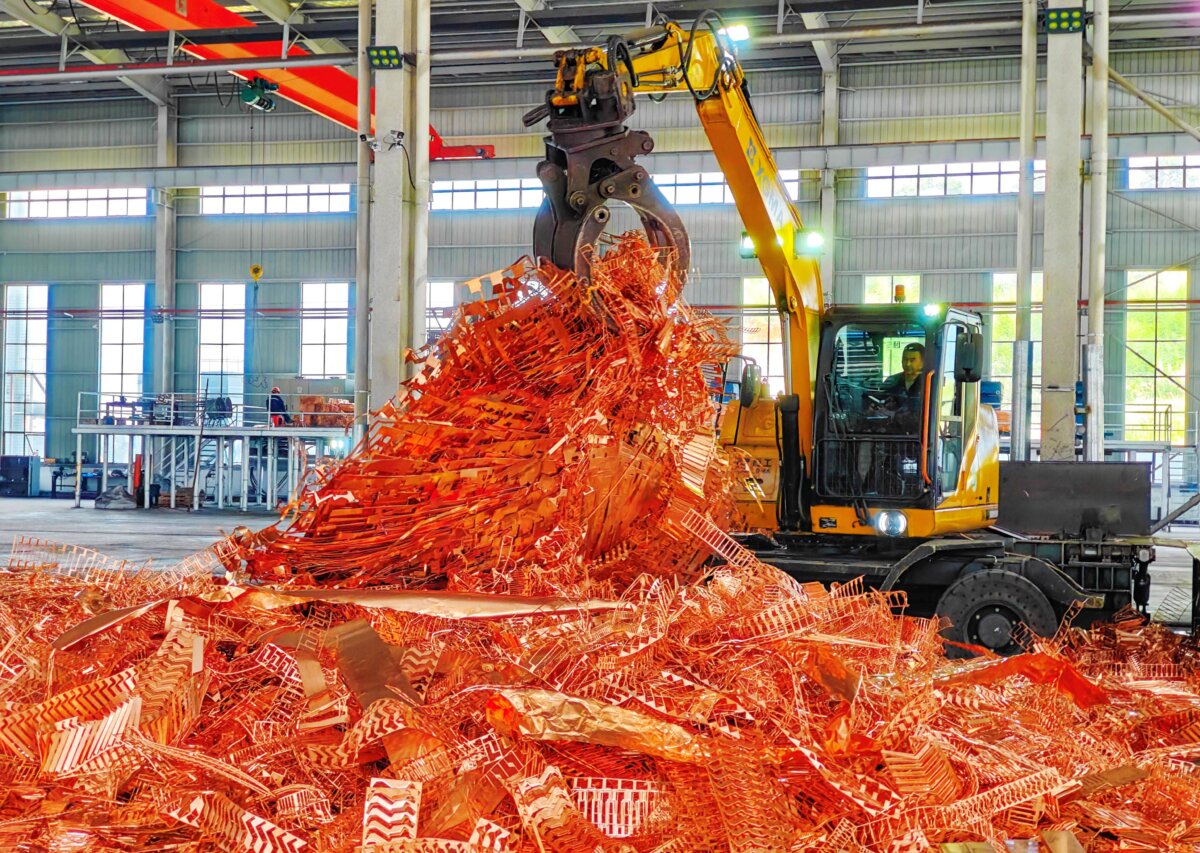

Free market think tank, the Institute of Public Affairs, is concerned higher energy prices—due to the cost of net zero—will continue to wear away Australian manufacturing industries responsible for basic goods like nickel, plastics, and fertiliser.
Deputy Executive Director Daniel Wild said blocking the development of cheaper traditional energy sources, like coal or uranium (for nuclear), was having a flow-on effect on energy reliant industries.
“When you look at, for example, fertiliser, you need fertiliser to produce food,” Wild told The Epoch Times.
“So if we keep going down this path, and we lose fertiliser and we lose other critical inputs to production, we’re going to go from being a net exporter of food to a net importer of food.”
In recent times, an array of major Australian companies have exposed their struggles with higher energy prices.

In April 2024, Australia’s biggest plastics and chemical manufacturer, Qenos, was put into voluntary administration, putting 700 jobs at risk in New South Wales and Victoria.
Qenos produced plastic resin products and was one of Australia’s biggest chemical manufacturers and plastic makers.
At the time, credit reporting agency CreditorWatch revealed that the number of external administrators appointed to Australian businesses had hit a record high—22.1 percent higher than the previous year.
Manufacturing copped a big blow, with 12 companies linked to the Sydney-based cabinet-making and panelling factory GDK Group going into liquidation in 2023.
Melbourne-based company MadeCo, which was responsible for kitchen manufacturing, was also one of many major companies that felt the pinch of rising energy costs.
It went into voluntary administration last March, with over 30 employees impacted due to $2.5 million of debt.
Wild said this was a worrying trend, and he believes many more businesses will be forced to make tough decisions in the next three years.
“We will see more vital industries go bust. I predict that in three years’ time, unless dramatic corrective action is taken, we will have rolling blackouts and energy poverty the likes that has never been seen before,” he said.
“We will no longer have a manufacturing sector, and we will find ourselves importing food, rather than exporting it.”
Going forward, the Labor government remains committed to overhauling the country’s energy grid so that it is 82 percent powered by renewables by 2030.
Governor-General Sam Mostyn, in her address during the opening of the 48th Parliament, outlined Labor’s net zero agenda.
This includes a $2 billion commitment to the Clean Energy Finance Corporation to help spark $6 billion in private investment.
Mostyn also pointed to the government’s $2.3 billion programme aimed at cutting home battery installation costs by 30 percent, with the expectation of 1 million new installations by 2030.
Wild Suggests Stopping Nickel Imports
Meanwhile, Wild said Australia should stop any more nickel imports into the country.
The market size of the nickel ore mining industry has declined at an annual rate of 15.2 percent between 2019 and 2024, and this is expected to continue over the next five years.
Accelerating this production drop is the fact that Indonesia—with China’s backing—has flooded the global market with its low-cost production methods and abundance of coal-fired power.
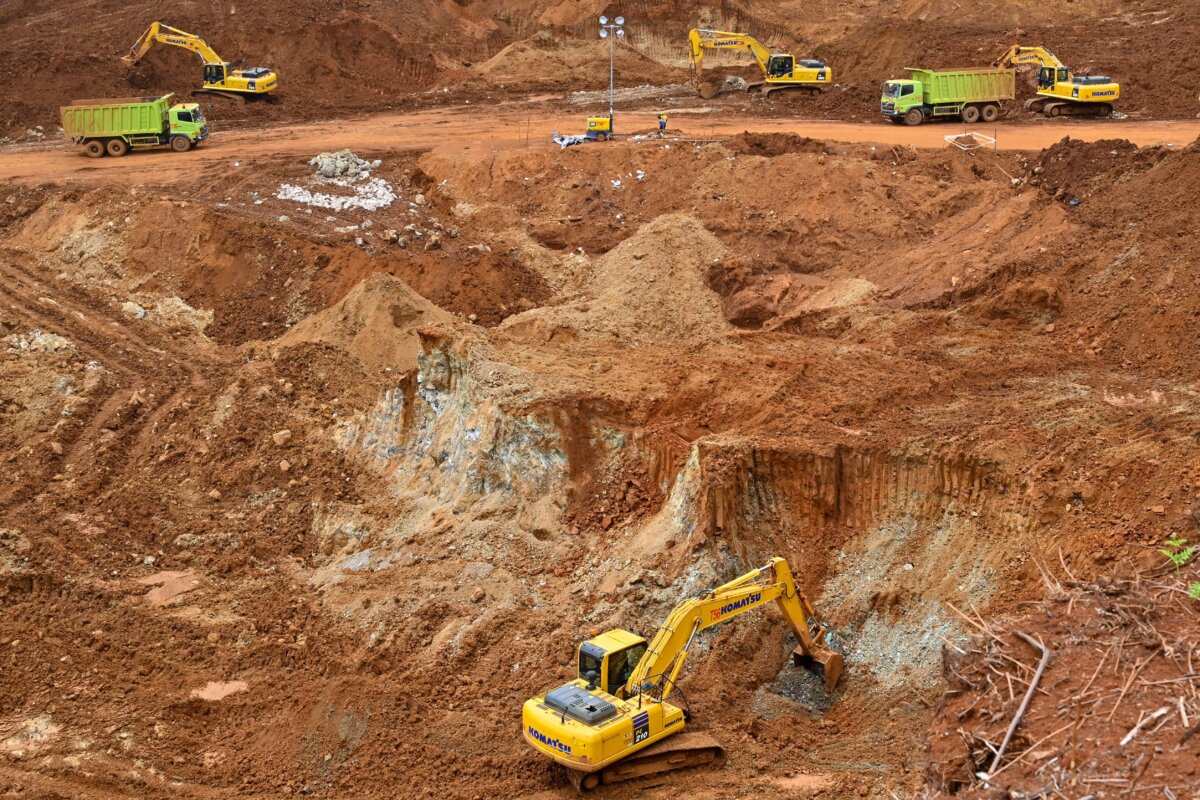
In fact, BHP opted out of nickel mining last year due to the Indonesia factor.
“We should stop the importation of cheap nickel into Australia, and make sure we protect our own industry,” Wild said.
“I’ve spent some time in Mount Isa assessing the local economy there about a year or so ago, and this community is going to be destroyed if industries like nickel shut down.
“We need to do it to protect critical towns like Mt Isa, and make sure we can produce these very valuable commodities for the rest of the world.”
Nickel is an important element in electric-vehicle batteries, and is used to make stainless steel.
Shutting Down Coal, Yet Exporting to China
In terms of coal, Wild was hypocritical of moves to phase out coal energy production locally, while still exporting bulk amounts to China.
“The only way to get energy prices down is to get more coal into the system. Coal-fired power stations operate 24–7, 365 days a year—rain, hail or shine,” he said.
“We have thousands of years’ worth of coal in Australia, and we should be using it for our benefit.
“We’re happy to export it to other countries like China, which is good because we earn revenue from it.”
 Friends Read Free
Copy
Facebook
Tweet
Friends Read Free
Copy
Facebook
Tweet