
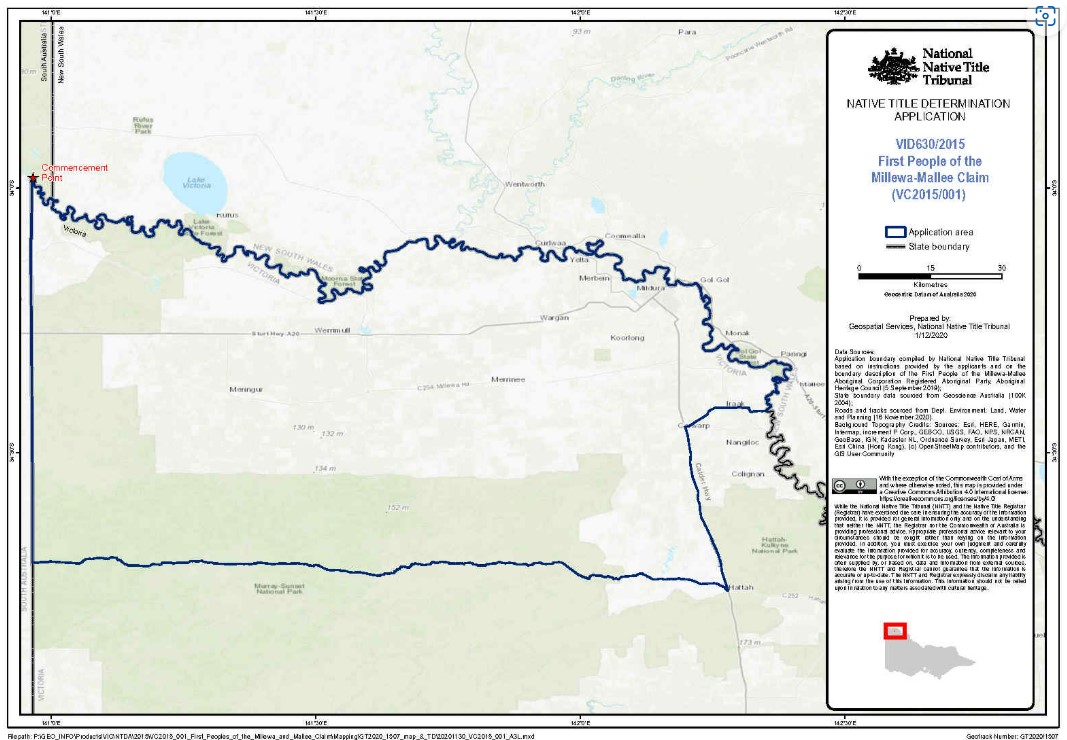
The Victorian Labor government has agreed to a major Indigenous native title claim over a vast area spanning thousands of square kilometres over the state’s north-west corner.
The area covers parts of the Mallee and Sunraysia regions along the Murray River and Mildura. It also covers parts of the Murray-Sunset National Park.
In one parcel, the decision grants the Aboriginal descendants the right to “possession, occupation, use and enjoyment” to the “exclusion of others,” according to the Federal Court judgement.
Native title holders will also have control over access to the land and its resources, protect objects and places of cultural significance, and restrict public access.
However, the native title rights vary depending on some areas and when they come into conflict with other rights, for example, there would be no native title if there are existing freehold rights, proposed mining activity, oil exploration or drilling, and groundwater digging.
According to Justice Elizabeth Bennett, both parties agreed the decision is a “testament to the ongoing strength and resilience of the traditional law and custom of the First Peoples of the Millewa-Mallee in maintaining and protecting their connection to the community, culture and country, and to the importance of country as a source of spiritual and physical health and sustenance.”
“Underpinning all of these principles, the state looks forward to a future of working together to support the Native Title Holders’ broader social, economic and cultural aspirations in their country.”
The “Native Title holders” included those descended from at least one of three people—John Perry, Nelly Perry or the “mother of Sarah Mayne,” as well as the Latji Latji, Ngintait, and Nyeri Nyeri peoples.
They must also identify themselves as having rights and interests in Millewa-Mallee, which sits at the top of Victoria and borders South Australia.
Indigenous applicant Shane Jones Senior told AAP he was happy with the result.
“With native title, our present and future generations can continue the legacy of all our elders and emerging elders,” he said.
Elder Wendy Brabham said the claim had been 25 years in the making.
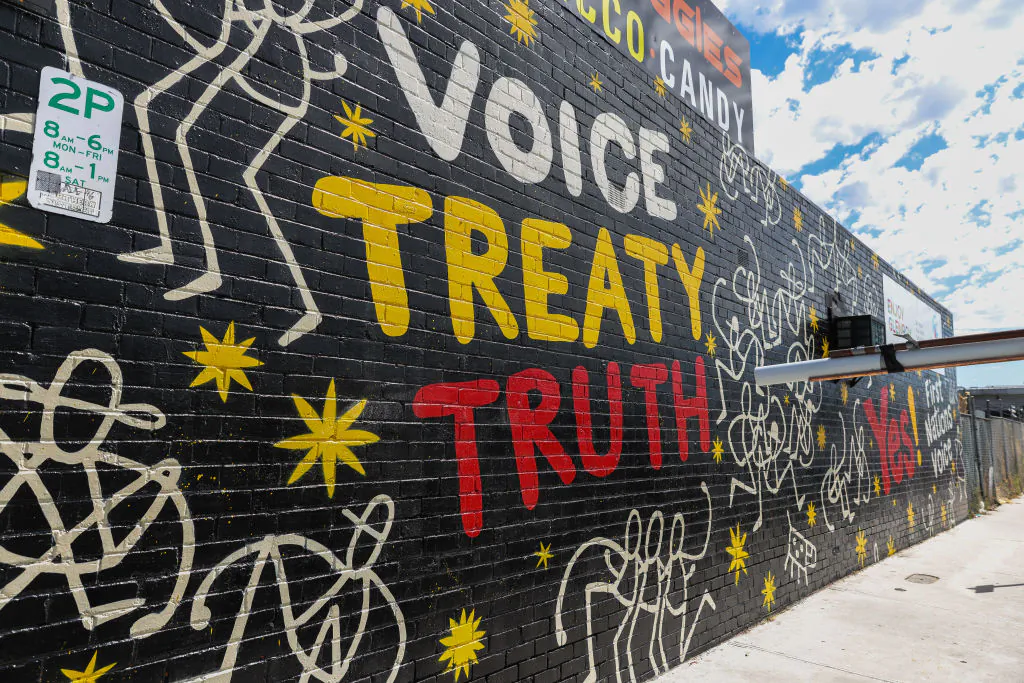
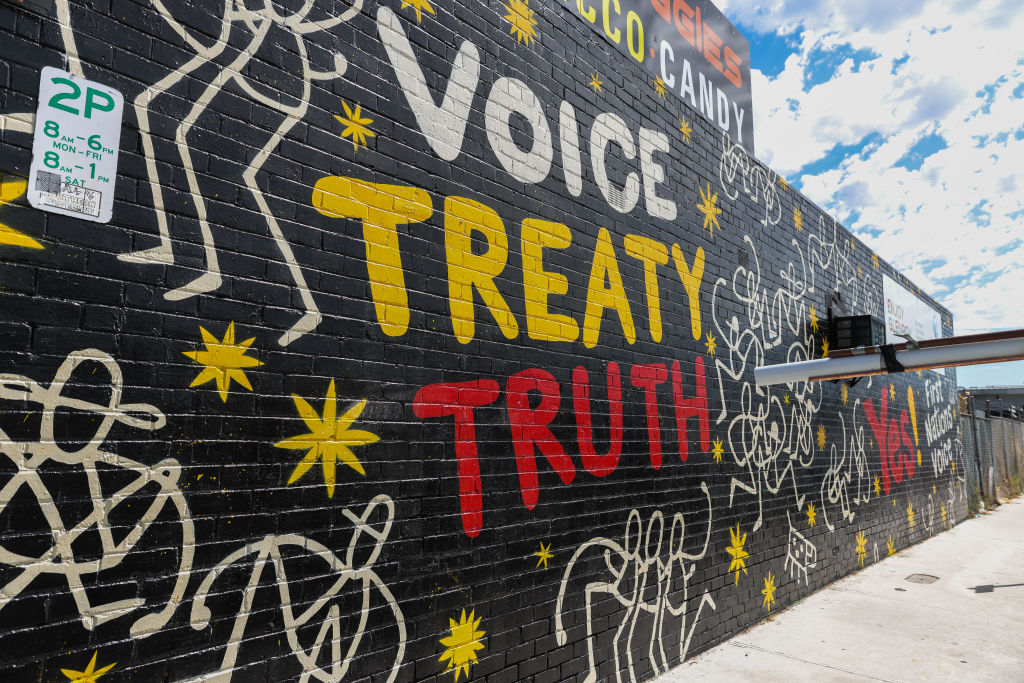
The decision comes as the Labor government moves to embed a state-level Indigenous advisory body into the Victorian Parliament—a move aimed at implementing the official Treaty between the state and Aboriginal representatives.
Senator Says Claims ‘Out of Control’
One Nation Senator Pauline Hanson had issued a statement earlier this month calling for funding to be restored to Queensland-based councils who wish to oppose native title claims.
Around half of Australia is currently under some kind of native title claim, with various other attempts going through the states and territories.
“Native title claims are getting out of control,” Hanson said in a statement.
“There are currently 38 of these claims active in Queensland and while the claimants have their legal costs fully funded by the national Indigenous Australians Agency, Queensland councils had their support taken away long ago.”
Hanson said that short of putting a sunset clause on native title legislation in her state, the Queensland government should push to financially support councils that object to native title claims.
“Queensland councils were acknowledged as among the best in responding to native title claims until Labor changed the Native Title Respondent Funding Scheme in 2013 and effectively put the cost burden on local ratepayers,” she said.
“The Albanese government has since abolished the scheme altogether.”
Former Opposition Leader Peter Dutton had vowed to reinstate the scheme.
 Friends Read Free
Copy
Facebook
Tweet
Friends Read Free
Copy
Facebook
Tweet