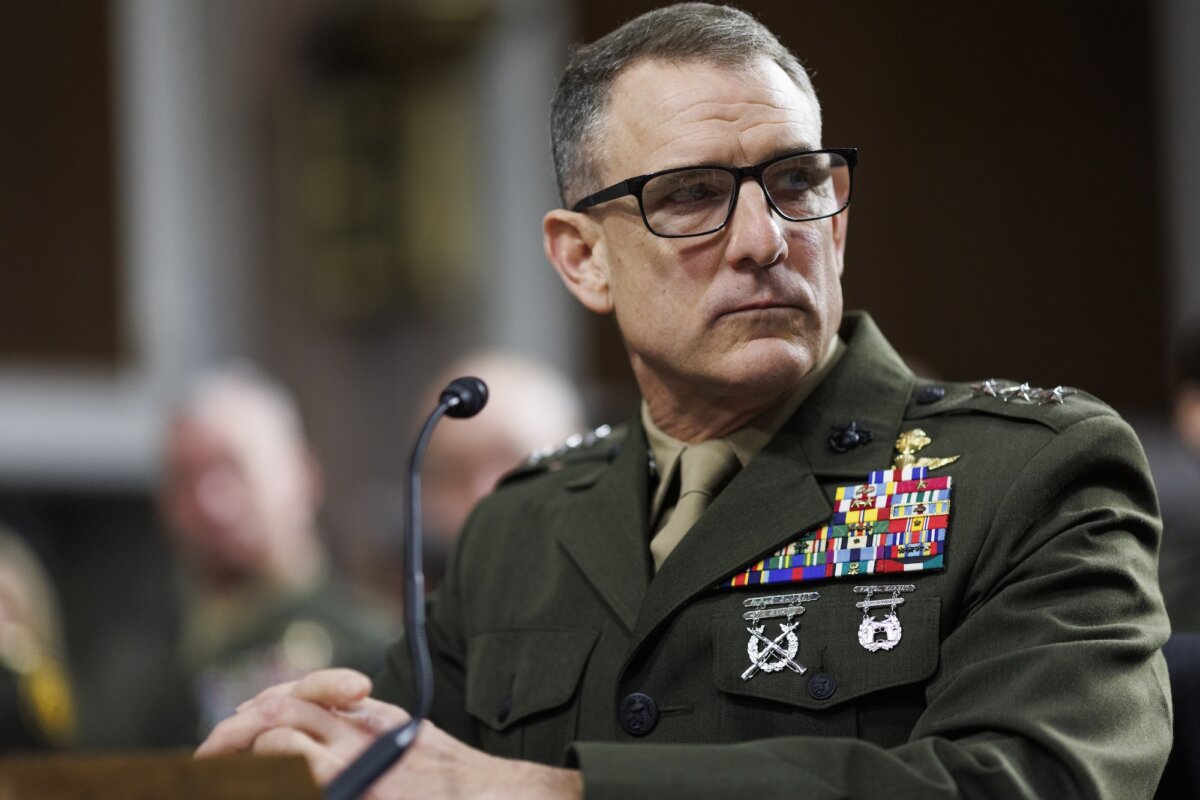

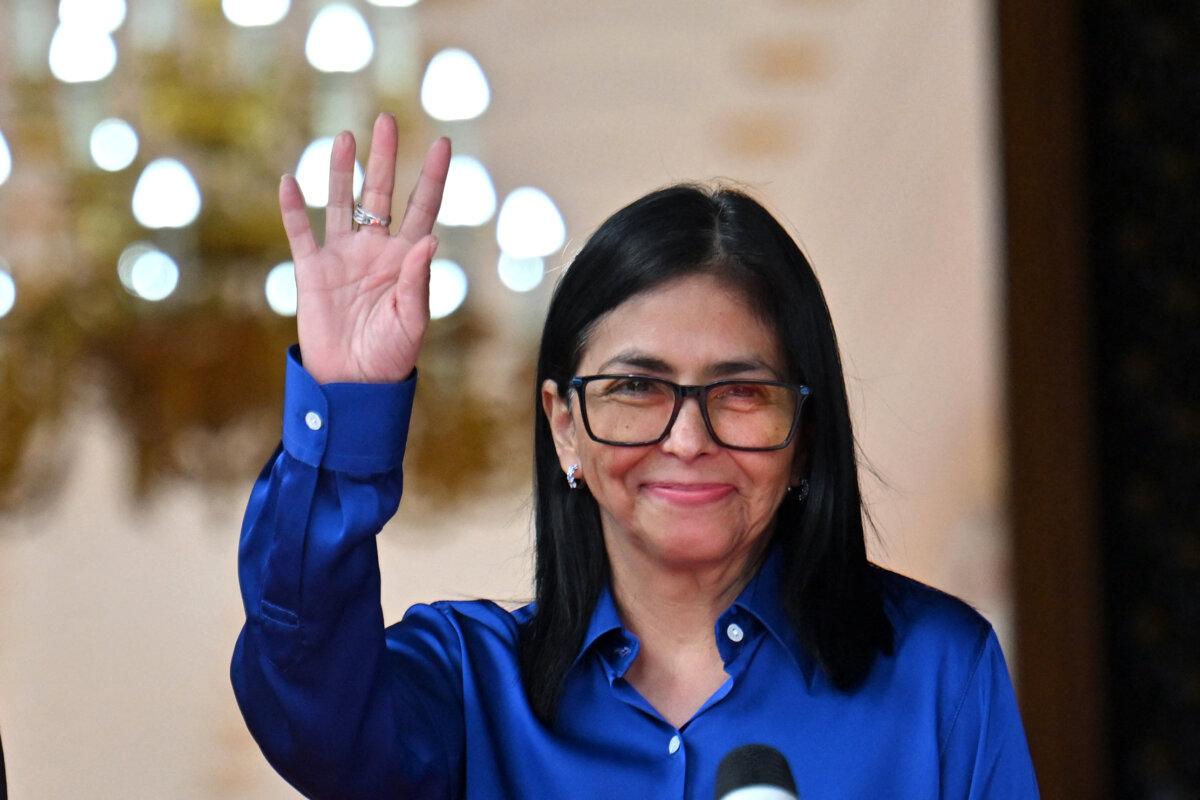
The head of U.S. military operations in Latin America met with acting Venezuelan leader Delcy Rodríguez and members of her Cabinet on Feb. 18 during a visit to Caracas, Venezuela, a high-level visit aimed at advancing U.S. President Donald Trump’s three-phase plan for the country’s stabilization.
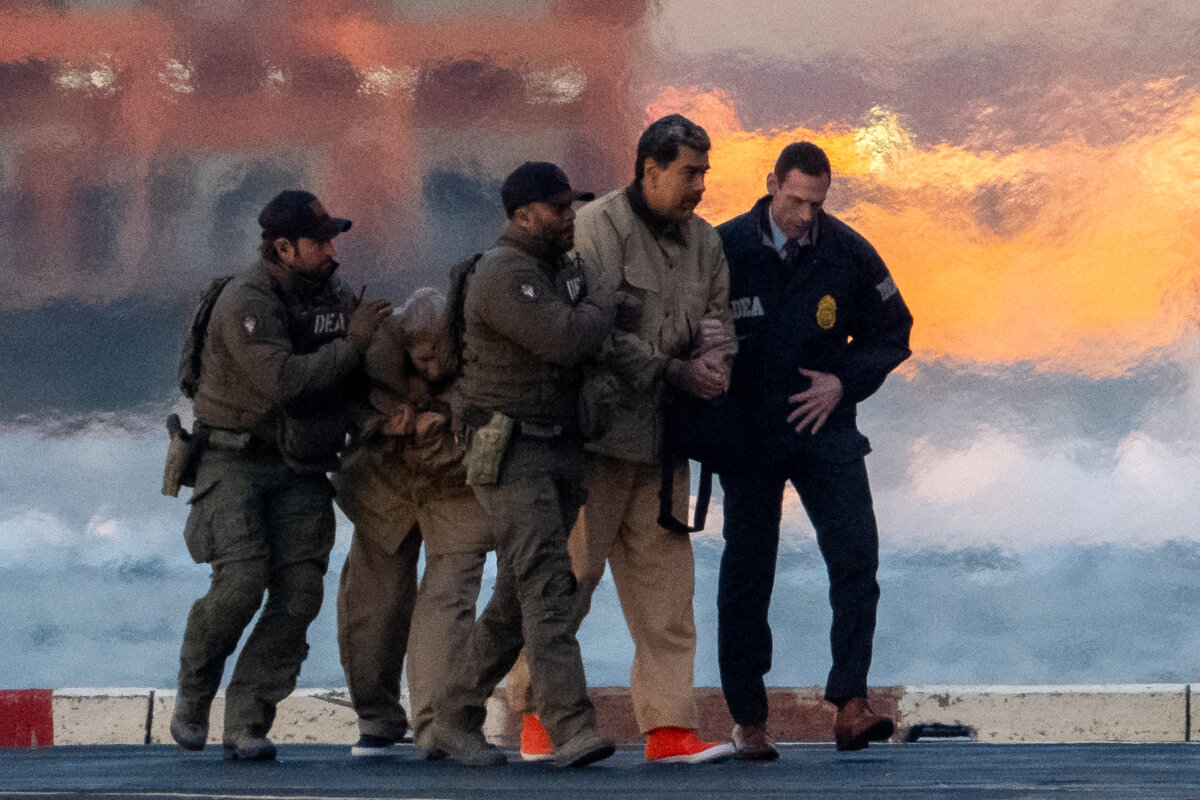
It was the first trip by a U.S. military delegation since U.S. forces captured former Venezuelan leader Nicolás Maduro in a raid in January and transported him to New York City to stand trial on drug-trafficking charges.
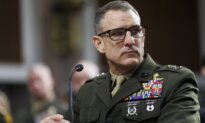
Marine Corps Gen. Francis Donovan, commander of U.S. Southern Command, was joined on the trip by senior Pentagon official Joseph Humire and diplomat Laura Dogu, chargé d’affaires to the Venezuela Affairs Unit, according to a readout of the meeting from the U.S. military.
The meeting focused on “the security environment, steps to ensure the implementation of President Donald Trump’s three-phase plan—particularly the stabilization of Venezuela—and the importance of shared security across the Western Hemisphere,” U.S. Southern Command said.
U.S. officials reiterated Washington’s commitment to a “free, safe and prosperous Venezuela” for the benefit of both the Venezuelan people and the United States, as well as broader regional security.
Humire said in a post on X that he was proud to join Donovan on his first trip to Latin America, describing it as “historic.”
The U.S. Embassy in Venezuela said in a statement posted to social media that Donovan met with U.S. joint force security members at the embassy to coordinate with interim Venezuelan authorities on the security situation and advance “the goal of a U.S.-aligned Venezuela,” according to a translation of the statement from Spanish.
Venezuelan officials said the U.S. delegation met with Rodríguez, Defense Minister Vladimir Padrino, and Interior Minister Diosdado Cabello. They said both sides agreed to cooperate on measures against drug trafficking, terrorism, and illegal immigration.
“The meeting reaffirms that diplomatic channels must be the mechanism to resolve differences and address binational and regional issues of interest to all parties,” Venezuelan Communications Minister Miguel Ángel Pérez said in a post on X, according to a translation from Spanish.
Maduro, who maintains his innocence, said in early January in a New York City federal court that he had been kidnapped and remains the president of Venezuela.
“I am innocent. I am not guilty. I am a decent man. I am still president of my country,” Maduro, 63, said through an interpreter, before being cut off by Judge Alvin Hellerstein of the U.S. District Court for the Southern District of New York.
Hours after Maduro’s capture in Caracas, Rodríguez was sworn in as Venezuela’s interim leader. Although she offered public expressions of support for Maduro, she gave no clear indication that she would contest the U.S. action that ousted him from power.
The Caracas visit also marked Donovan’s first trip to the region since assuming command of U.S. Southern Command on Feb. 5. At the time, Donovan said the command would continue working with partner nations to “address shared challenges, uphold democratic values, and ensure a safe and prosperous future for the region.”
On the same day Donovan assumed command of the warfighting headquarters, the U.S. military announced a strike on a suspected drug-trafficking vessel in the Eastern Pacific that killed two people. Southern Command said the vessel was traveling along known narcotics routes and was engaged in trafficking operations when it was hit with a “lethal kinetic strike.”
The strike was carried out under Operation Southern Spear, a campaign launched in November 2025, which the Pentagon has said is aimed at identifying and disrupting drug trafficking and other illicit maritime networks in the Western Hemisphere.
 Friends Read Free
Copy
Facebook
Tweet
Friends Read Free
Copy
Facebook
Tweet