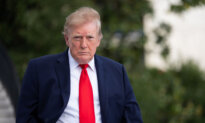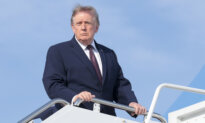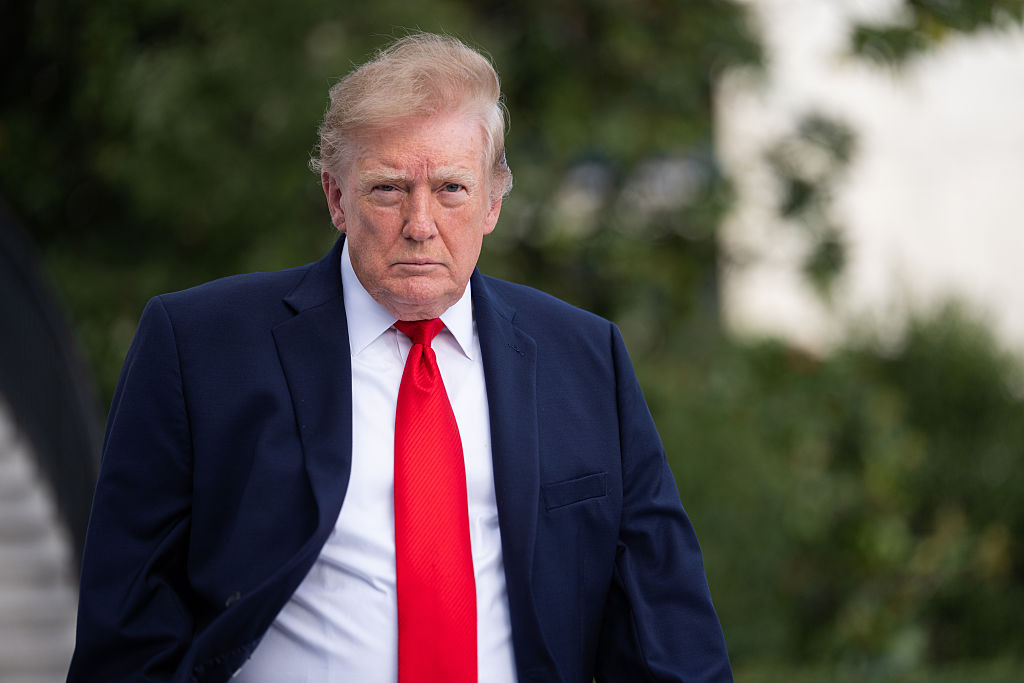
U.S. President Donald Trump said on Oct. 12 that he does not believe Beijing and Moscow are helping Tehran in the ongoing conflict between the United States and Iran.
Trump said in a Truth Social post that he had seen numerous comments from political opponents making such claims.
“If they are, it’s at a very low level, but I don’t believe they are at all. They have too much to lose, and we would know about it, and know about it very fast,” he wrote.
Fighting between the United States and Iran has largely subsided in recent weeks, with the U.S. military’s last reported strikes on Iran occurring in early September. After the U.S.–Iran ceasefire collapsed in July, the U.S. military reinstated its naval blockade of Iranian ports.
Washington has also sought to sever financial lifelines supporting the Iranian regime, including by imposing measures targeting Iran’s trade partners in an effort to economically isolate the country.
The U.S. Treasury said in August that its Office of Foreign Assets Control had sanctioned nearly 60 entities, individuals, and vessels across multiple jurisdictions for their alleged roles in facilitating Iran’s illicit nuclear and missile technology procurement, cyber operations, and oil‑revenue generation networks.
Sen. Jeanne Shaheen (D-N.H.), ranking member of the Senate Foreign Relations Committee, urged Trump in September to use his leverage to stop Chinese companies from supplying Iran with satellite imagery and parts for its missiles and drones, as well as to prevent the purchase and trade of sanctioned Iranian oil.
“If we want to bring this war to an end, we need to cut off the outside support that allows Iran to keep fighting and that starts with China,” Shaheen said on the Senate floor on Sept. 23.
Trump said in July that Chinese leader Xi Jinping had assured him during their meeting in Beijing in May that China would not supply weapons to Iran. He added that the commitment also applied to Chinese companies.
“Considering our relationship, I take him at his word and, besides, I am doing him very big favors, also,” Trump said in a post on Truth Social at the time.
In the same post, Trump said Russian President Vladimir Putin told him that Russia would not sell weapons to Iran.
“Therefore, two major Countries that people speak of often in terms of Iran are, in my opinion, not participating. If they did, it would be very bad for them — Certainly not in their best interests,” he said.
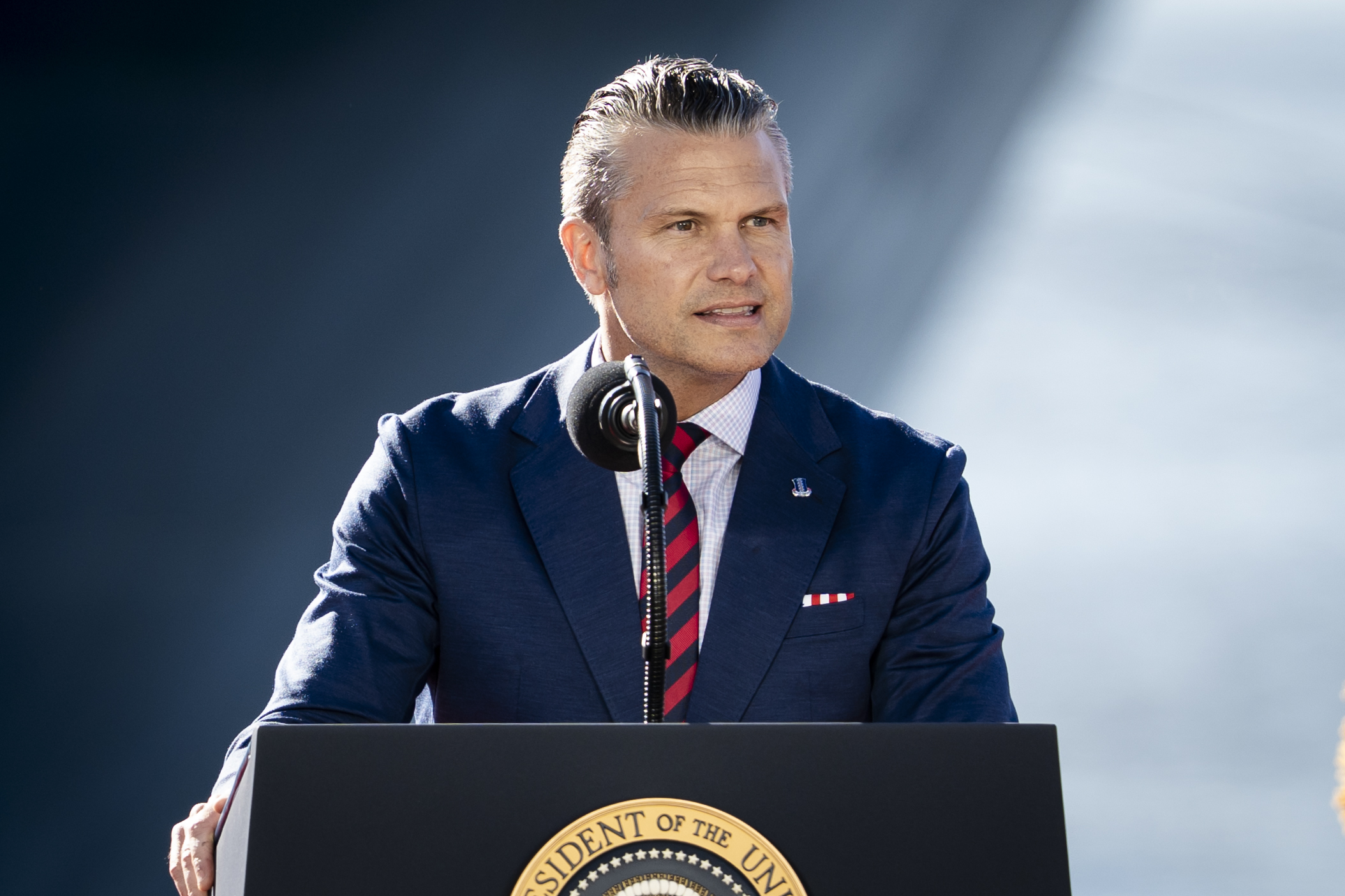 War Secretary Pete Hegseth speaks at Anduril Industries in Sparrow Point, Md., on Oct. 6, 2026. (Madalina Kilroy/The Epoch Times)
“But there are ways in which both of those countries are, at different levels, enabling some of the things Iran is doing,” Hegseth said.
During Xi’s state visit to Washington in September, the United States and China agreed that Iran must not possess nuclear weapons.
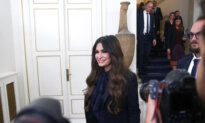
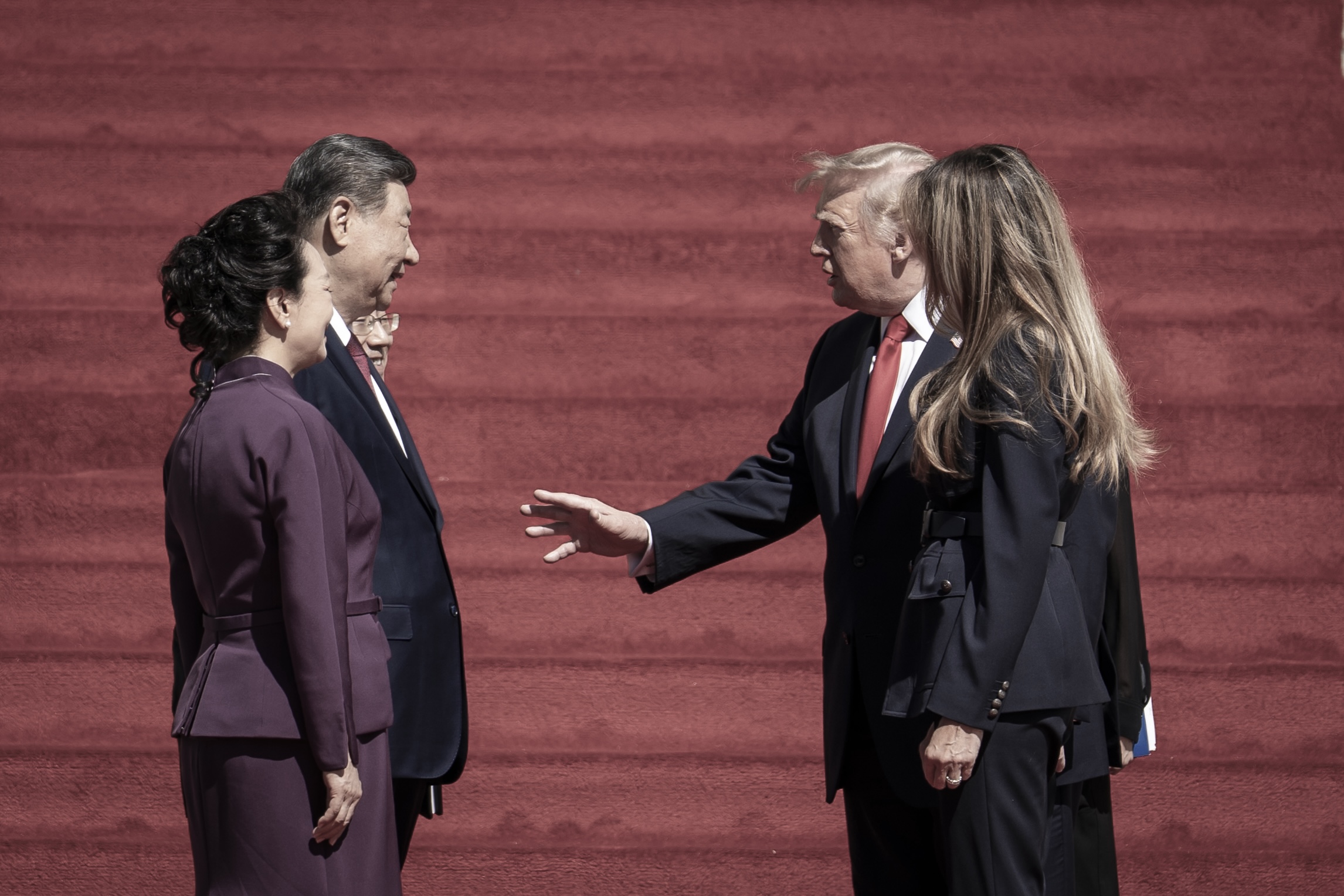 U.S. President Donald Trump, First Lady Melania Trump, Chinese leader Xi Jinping, and Xi’swife, Peng Liyuan, during a visit to the U.S. National Archives in Washington on Sept. 25, 2026. (Madalina Kilroy/The Epoch Times)
Iran said on Monday it is reviewing a U.S. response to its proposal to reopen the Strait of Hormuz and will reply to Washington through intermediaries after the review.
Iranian Foreign Ministry spokesperson Esmail Baghaei told reporters in Tehran that Iran continues to exchange messages with the United States through intermediaries. He said security will not return to the Strait of Hormuz as long as Washington keeps up a blockade, economic pressure, and warfare.
U.S. forces say Washington and its regional partners control the Strait of Hormuz. Last week, U.S. Central Command stated that, in recent months, U.S. forces supported the shipment of more than 1.25 billion barrels of crude oil from Gulf partners through the Strait of Hormuz.
On the same day, Trump said the United States would not launch new strikes against Iran before the November elections.
Tom Ozimek, Evgenia Filimianova, and Timothy Frudd contributed to this report.
 Friends Read Free
Copy
Facebook
Tweet
Friends Read Free
Copy
Facebook
Tweet