
Iran said it is reviewing a U.S. response to its proposal to reopen the Strait of Hormuz and will reply to Washington through intermediaries after the review.
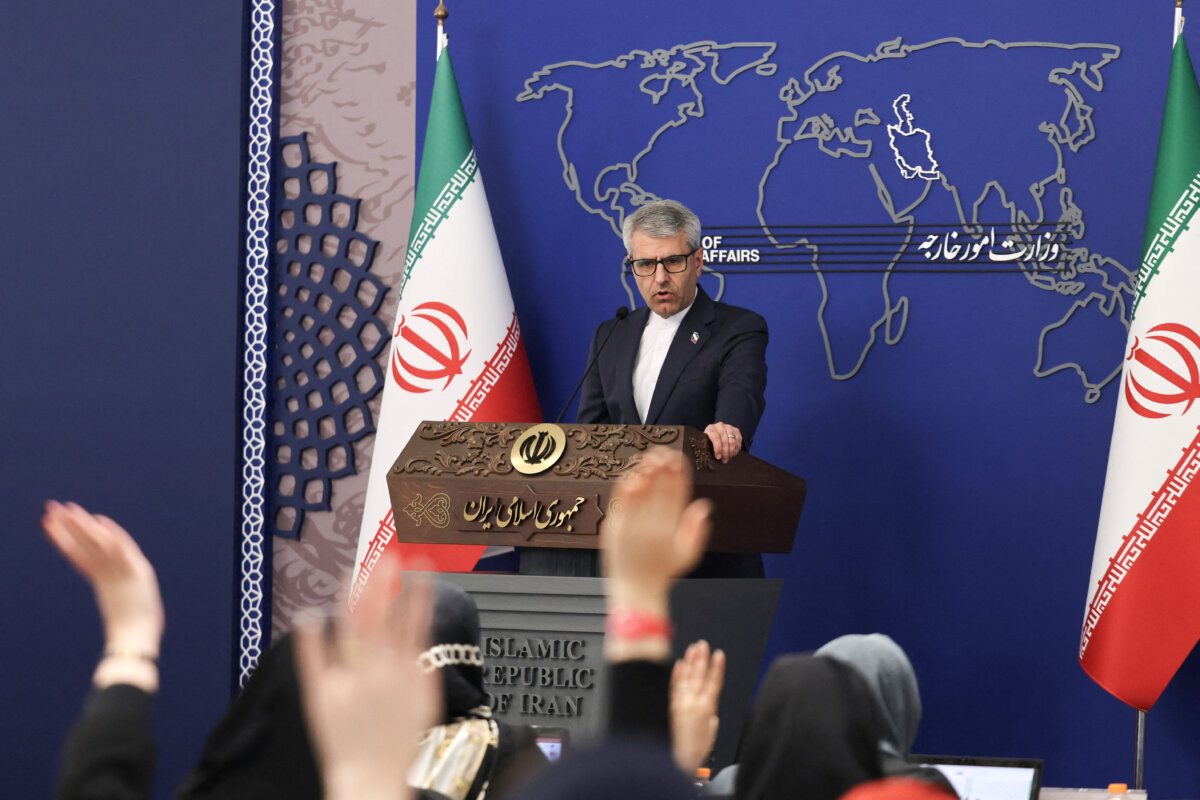
Iranian Foreign Ministry spokesperson Esmail Baghaei told reporters in Tehran on Monday that Iran continues to exchange messages with the United States through intermediaries. Qatar and Pakistan, among others, have acted as mediators in efforts to end the war that began with U.S. and Israeli strikes on Iran on Feb. 28.
Fighting between the United States and Iran has largely subsided in recent weeks, with the U.S. military’s last reported strikes on Iran occurring in early September.
After the U.S.–Iran ceasefire collapsed in July, the U.S. military reinstated its naval blockade of Iranian ports. Washington has also increased economic pressure on Iran by imposing a series of sanctions on its industries, as well as actors and entities doing business with Tehran.
Baghaei said that security will not return to the Strait of Hormuz, as long as Washington keeps up a blockade, economic pressure, and warfare.
“In no way are we pleased with the situation, of course, because the security of the Strait foremost matters to us more than anybody else. But what can we do?” Baghaei told the press conference.
Iranian officials, including Baghaei and Iran’s Supreme National Security Council secretary Mohsen Rezaei, have rejected the U.S. position.
Rezaei told Iranian state-run media Press TV on Sunday that the Strait of Hormuz was not open, adding that some vessels operate through smuggling networks and that traffic remains far below prewar levels.
U.S. forces say Washington and its regional partners control the Strait of Hormuz. Last week, U.S. Central Command said that in recent months, the U.S. forces supported the shipment of more than 1.25 billion barrels of crude oil from Gulf partners and through the Strait of Hormuz.
“In contrast, Iran has not shipped any barrels because of America’s ironclad blockade on Iranian ports,” U.S. Central Command said in an Oct. 8 post on X.
On the same day, U.S. President Donald Trump said that the United States would not launch new strikes against Iran before the November elections, because of ongoing discussions between his administration and the Islamic regime.
The blockade of Iranian ports “will remain in full force and effect,” Trump wrote in his post on Truth Social. He added that 22 million barrels of oil passed through the strategic Strait of Hormuz waterway on the evening of Oct. 7 “with not one barrel coming from, or going to, Iran.”
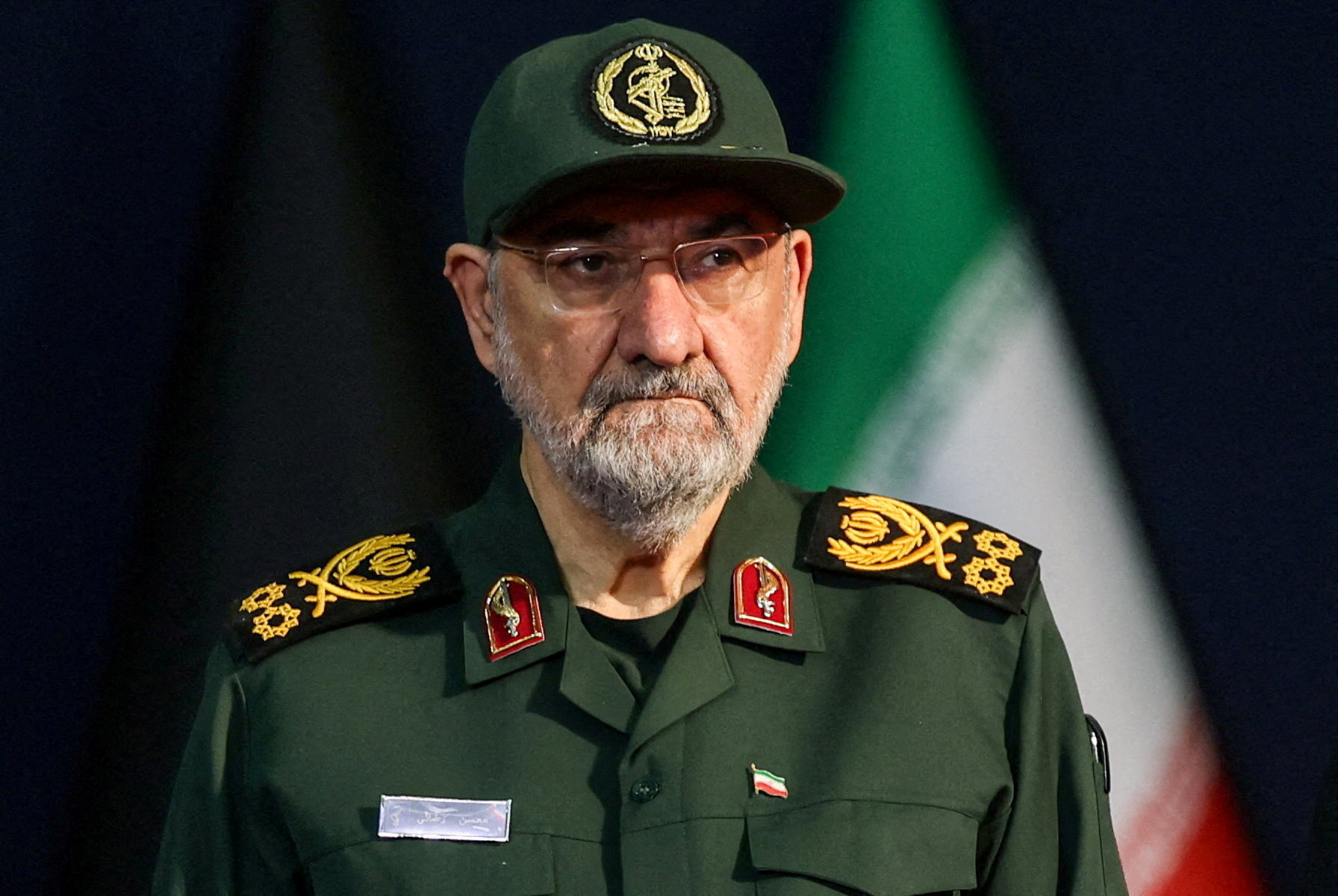 Mohsen Rezaei, an adviser to Iran’s leader, in Tehran, Iran, on July 3, 2026. (Mohammed Salem/Reuters)
Iranian Position
Rezaei offered a firmer assessment of the diplomacy than Baghaei did. He said Iran presented Washington with seven conditions after contacts through Pakistan, Qatar, and Iraq. He said the United States responded by accepting some of them and leaving others unclear.
He said on social media that Tehran considers the U.S. response to be inadequate.
“Iranian diplomacy has changed and there will be no return to the status quo ante,” he said in an Oct. 11 post on X.
Rezaei also warned that if Washington launched another act of aggression, American assets could be targeted. He named key data systems and artificial intelligence sensors.
He said U.S.-linked technology infrastructure worth more than $2 trillion in the region could be hit if Iran came under attack again. Rezaei added that Iran is ready to use more of its military capabilities if the war restarts.
Despite the warnings, Rezaei said Iran would keep pursuing diplomacy, but not in the old format. He referred to three rounds of negotiations that, by his account, ended with the United States abandoning talks and attacking Iran.
Reuters contributed to this report.
 Friends Read Free
Copy
Facebook
Tweet
Friends Read Free
Copy
Facebook
Tweet