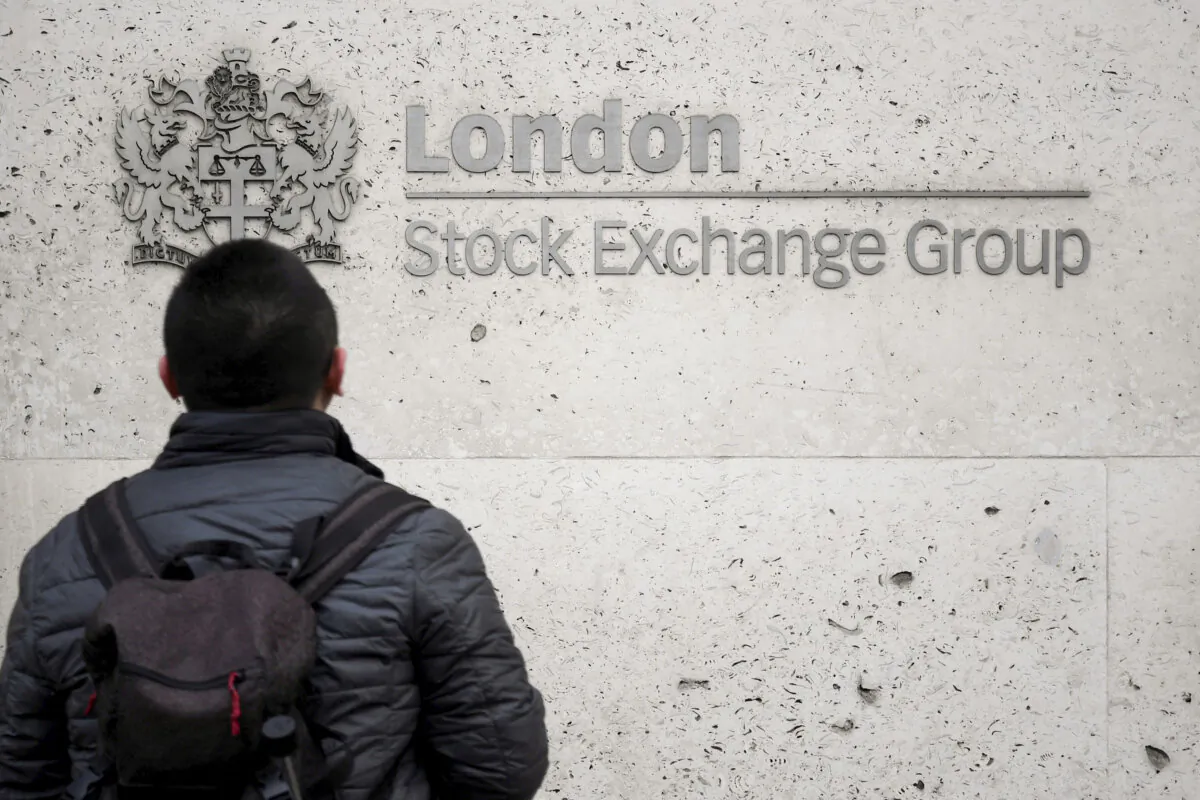

UK inflation hit its highest level in 18 months in July when it increased to 3.8 percent from 3.6 percent, official data showed on Aug. 20, leaving the country with the fastest rate of price increases in the G7.
Inflation in the UK services sector accelerated to 5 percent from 4.7 percent in June.
The Bank of England had expected a headline inflation rate of 3.8 percent for July, but predicted a smaller 4.9 percent increase in services prices. The UK central bank believes that inflation will continue to rise to 4 percent by September, double its stated target of 2 percent, and then stay above 2 percent until mid-2027.
According to the data, the biggest contributor to July’s rise in inflation came from transportation costs, particularly airfares. Increases in electricity, gasoline, soft drinks, food, and hotel room prices also amped up the annual inflation rate between June and July.
Food and non-alcoholic drink prices are 4.9 percent higher than a year earlier, marking the biggest rise since February 2024. The Bank of England forecasts food inflation to peak at 5.5 percent by the end of the year.
Grant Fitzner, chief economist at the UK Office for National Statistics, attributed the rise to the timing of the school summer break in the UK.
“The price of petrol and diesel also increased this month, compared with a drop this time last year,” he said.
Fitzner said food inflation continues to climb, with fresh orange juice, coffee, meat, and chocolate being subject to the biggest spikes.
The news of the inflation rate rise came just under two weeks after the Bank of England cut interest rates from 4.25 percent to 4 percent on Aug. 7, following a narrow vote of 5–4 by its Monetary Policy Committee.
“We have taken the decisions needed to stabilise the public finances, and we’re a long way from the double-digit inflation we saw under the previous government, but there’s more to do to ease the cost of living,” Chancellor of the Exchequer Rachel Reeves, the UK’s finance minister, said in response to the figures.
UK financial markets remained steady on Aug. 20 despite the unexpected rise, as spikes in the consumer and health care sectors offset losses in energy and mining stocks.
Martin Sartorius, principal economist at the Confederation of British Industry, a lobbying group for UK business interests that represents about 190,000 British businesses, said that higher energy and regulated prices continue to put upward pressure on inflation.
“The increase in labour costs following last year’s Autumn Budget are also feeding through,” he said. “Today’s inflation data will reinforce the Monetary Policy Committee’s cautious approach to cutting interest rates going forward.”
The body does not expect the Bank of England to change the rates in September, Sartorius said.
The rate in the UK compared unfavorably with inflation across the West, with the United States’ headline rate holding at 2.7 percent for July.
Across the euro zone, inflation is expected to remain at about 2 percent for the coming years, according to the European Central Bank.
In Canada, inflation slowed to 1.7 percent year on year in July from 1.9 percent in June, according to Statistics Canada.
Last week, the UK’s gross domestic product per capita slipped behind Italy’s, with a rate of $60,620 compared with Italy’s $60,847, according to World Bank figures.
 Friends Read Free
Copy
Facebook
Tweet
Friends Read Free
Copy
Facebook
Tweet