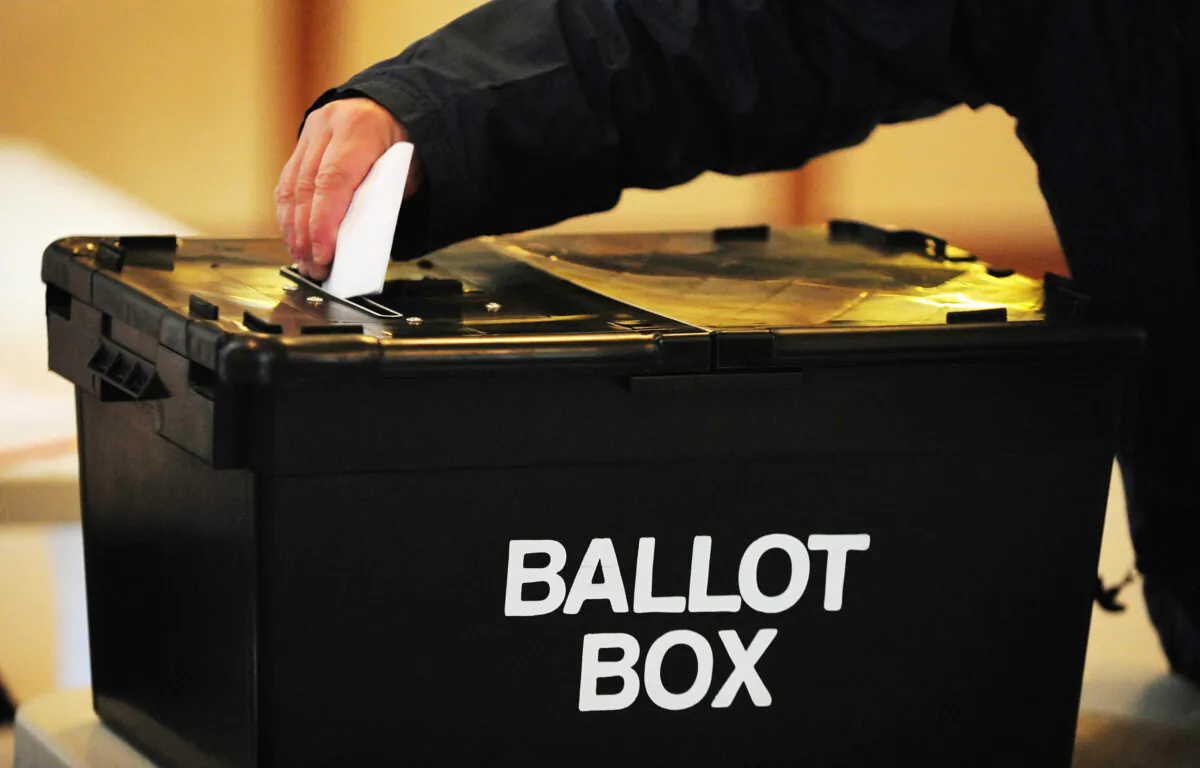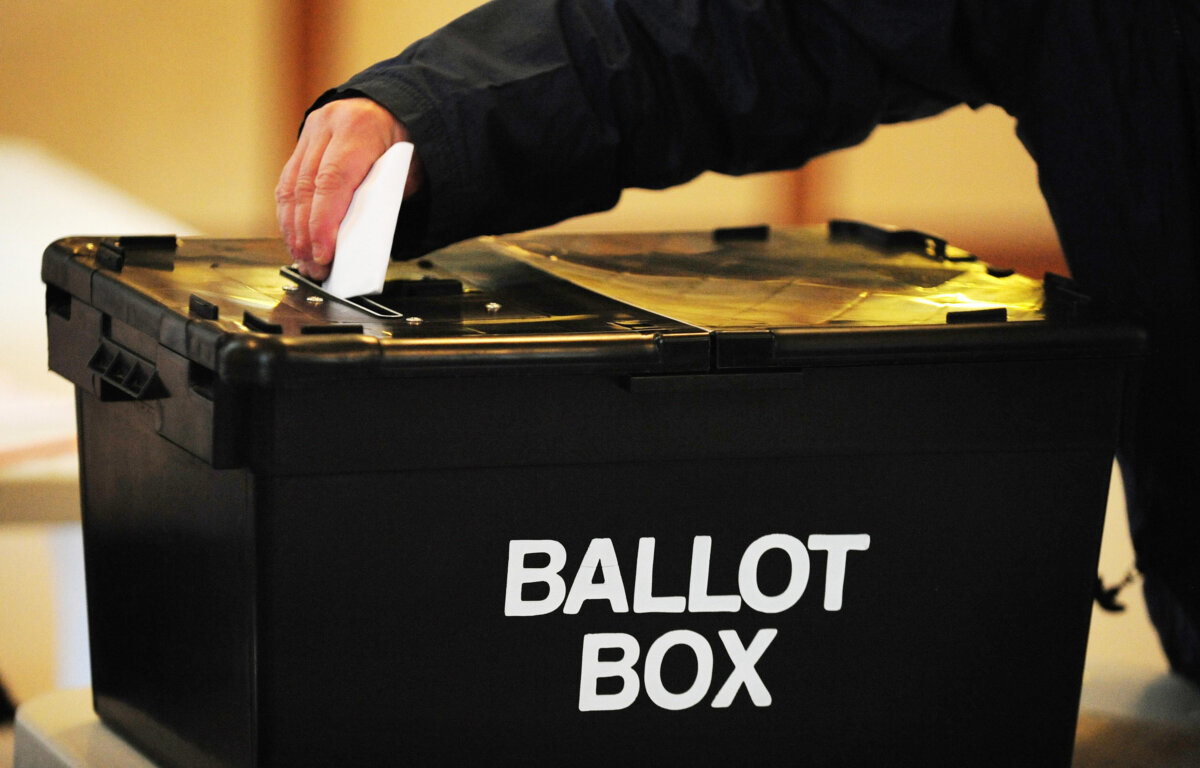

Sixteen-year-olds across the United Kingdom will be granted the right to vote in all UK elections, the government announced on July 17, unveiling what it described as the biggest change to British democracy in a generation.
The reforms, part of the Labour Party manifesto pledges, will also broaden voter ID rules to include bank cards, and introduce tougher measures to combat foreign interference in British politics.
The changes will be implemented through a new elections bill, expected by 2029.
“We cannot take our democracy for granted, and by protecting our elections from abuse and boosting participation, we will strengthen the foundations of our society for the future,” Deputy Prime Minister Angela Rayner said in a statement.
The UK will join a number of countries that have lowered the voting age to 16. Austria led the way in 2007, followed by Argentina, Brazil, and parts of Germany.
In the UK, Scotland and Wales already allow 16-year-olds to vote in devolved elections, but the July 17 announcement extends this right to general elections and other UK-wide polls.
“Sixteen and 17-year-olds can work, pay tax, serve in the military, and contribute in so many ways to our society,” the UK government said in the policy paper, setting out the reform. “It is right and fair that they should be able to vote.”
Young people will be allowed to register from age 14, ensuring they are ready to vote when they reach 16. The reforms also include special provisions for children in care to ensure they can register and vote.
Voter Turnout, Registration Reform
The proposed changes aim to address the declining turnout and low voter registration numbers. Turnout at the 2024 general election, which saw the Labour Party led by Sir Keir Starmer win a landslide victory, was 59.7 percent, the lowest at a UK general election since 2001.
According to the government, an estimated 7 million to 8 million eligible voters in the UK are either missing from the register or inaccurately recorded.
The government also said that “far too many people” are being deterred from voting because of voter ID rules.
Under UK law, those turning up at polling stations need to show a valid photo ID before being given a voting slip. This includes passports, driving licences, blue badges, biometric residence permits, defense identity cards, and national identity cards issued by the European Union, Norway, Iceland, or Liechtenstein.
Through the new plans, the government will create a new digital voter authority certificate and expand the use of digital forms of identification, such as the Veteran Card and UK driving licence.
UK-issued bank cards will also be accepted as voter ID in polling stations.
Voters With Benefits
According to pollster YouGov, age has been a key dividing line in recent UK elections. Younger voters are more likely to support Labour, while older voters tend to back the Conservatives—Labour’s main rival in government—and Reform UK, which is currently leading in the polls.
YouGov’s recent analysis found that Labour continues to lead among younger voters a year after the general election, but its support is steady across all under-40s at about a third of the vote. The Green Party, by contrast, attracts more of the youngest voters.
While the Liberal Democrats and the Green Party welcomed the lowering of the voting age, the Conservative shadow communities minister, Paul Holmes, questioned the government’s decision.
Addressing Parliament on July 17, Holmes referred to the fact that the minimum age to stand for election will remain 18.
“Why does this Government think a 16-year-old can vote but not be allowed to buy a lottery ticket, an alcoholic drink, marry, or go to war, or even stand in the elections they’re voting in?” he said.
Foreign Interference, Abuse of Campaigners
In response to growing concerns about foreign influence in democratic systems, the government said it will close loopholes that allow political donations through shell companies.
The new “Know Your Donor” checks will require political parties to conduct enhanced scrutiny of donations of more than 500 pounds ($670).
“By reinforcing safeguards against foreign interference, we will strengthen our democratic institutions and protect them for future generations,” Democracy Minister Rushanara Ali said.
The reforms also seek to address rising levels of abuse and intimidation against candidates and campaigners, especially women and ethnic minorities.
New measures will enable tougher sentences for those who intimidate campaigners.
Also, candidates will no longer be required to publish their home addresses, a change aimed at improving their safety.
 Friends Read Free
Copy
Facebook
Tweet
Friends Read Free
Copy
Facebook
Tweet