
The U.N.’s nuclear watchdog has welcomed the U.S.–Iran interim deal, saying the body will be involved in discussions to implement it.
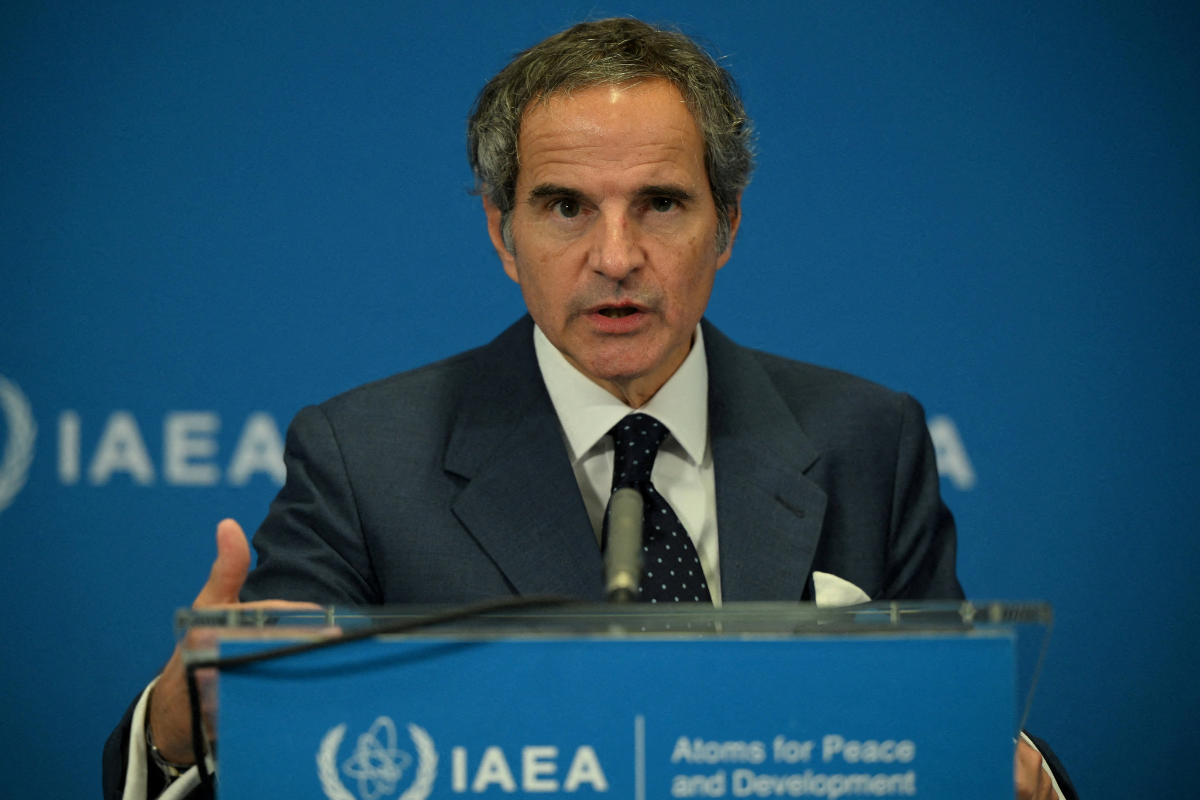
“It is good that the memorandum is there. Now the technical work starts,” Rafael Grossi, head of the International Atomic Energy Agency (IAEA), told reporters in Geneva on June 18.
“Now it is for us to sit down with our American and Iranian colleagues and start formulating concrete steps that will have to be taken.”
U.S. officials said the 14-point memorandum of understanding was signed by the United States and Iran on June 17, in a significant step toward ending the four-month-long war. The agreement went into immediate effect.
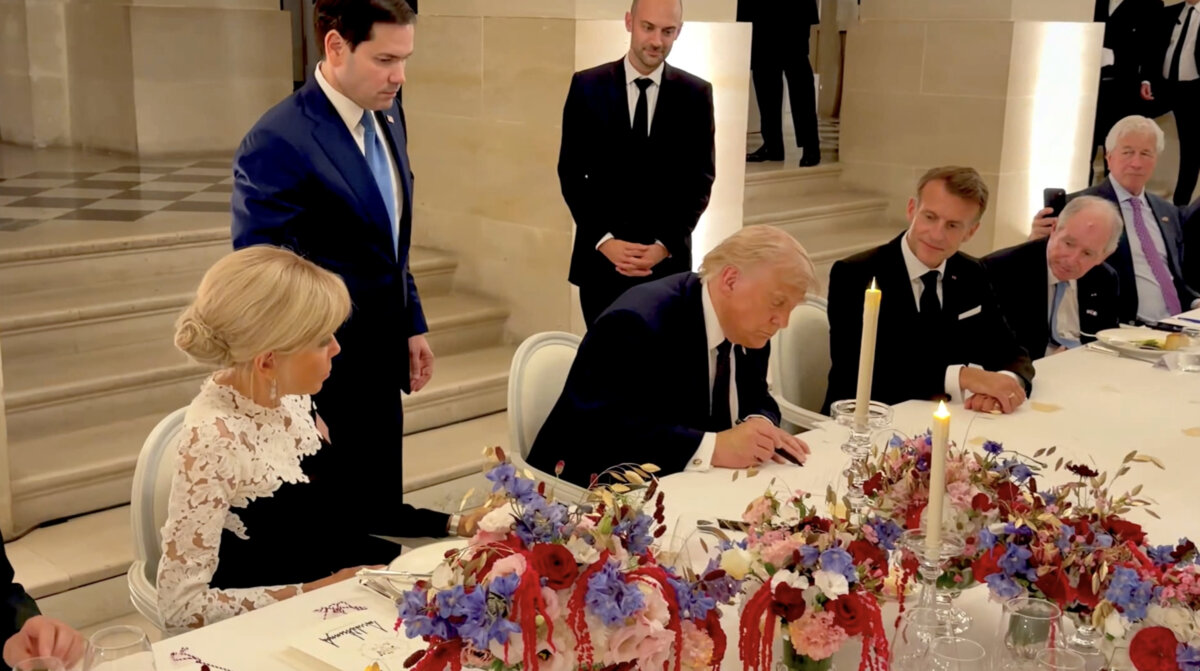
The deal was signed by U.S. President Donald Trump in Versailles, France, during the annual G7 leaders summit, and it kicks off a 60-day period of negotiations toward a final agreement. The interim deal includes reopening the Strait of Hormuz.
It also states that Tehran reaffirms that it “shall not procure or develop nuclear weapons.”
The Iranian regime must also agree to dilute its stockpile of highly enriched uranium under the supervision of the IAEA.
“The fact that they are mentioning that this will be under the supervision and control of the IAEA is very important, because in our conversation, what we are going to be doing is defining what we need to see, what we need to access,” Grossi said.
The IAEA chief said that the magnitude of the work his organization needs to do will be determined by the final provisions of the agreement.
The United States and Iran had failed in February to reach an agreement on their long-standing nuclear disputes. At the time, the Omani mediator said that progress had been made and technical talks were due to take place the following week at the IAEA in Vienna.
However, days later, the United States and Israel conducted strikes on Iran in the opening salvo of the war.
Grossi has cautioned against being frustrated by previous failures to reach an agreement, saying, “We have a chance, and we need to seize it.”
Iran Makes Nuclear Pledge
In a call with reporters on June 17, Washington officials clarified the terms of the deal, including on issues related to nuclear weapons.
For the Trump administration, the key to the agreement is Washington’s nuclear demands, which must be met before any sanctions relief or economic waivers are granted.
The deal states that Tehran affirms that it will not develop or procure nuclear weapons, and it must agree to dilute its stockpile of highly enriched uranium under the supervision of the IAEA.
However, whether or not Iran will be allowed to enrich uranium at levels needed for civilian nuclear power, which was allowed under the Obama-era Joint Comprehensive Plan of Action, is not yet clear.
The memo states that Washington and Tehran agree to “discuss the issue of enrichment and other mutually agreed matters related to [Iran’s] nuclear needs” during the 60 days of negotiations.
Trump warned on June 17 that if negotiations collapse within 60 days, or if Iran does not fulfill its end of the deal, especially the nuclear clauses, the United States will “go back to bombing.”
Talks Planned for June 19
The Swiss government on June 18 said talks between the United States and Iran are scheduled to start in Bürgenstock the following day.
The Swiss foreign ministry said the agreement was “an important step toward de-escalation in the region.”
“Currently, the plan remains for the United States and Iran, along with the mediators Pakistan and Qatar and other involved countries, to meet tomorrow at the Bürgenstock for initial negotiations on the implementation of the agreement,” the Swiss Department of Foreign Affairs said in a statement.
“No further information can be provided at this time regarding the agenda and details of this meeting.”
Emel Akan, Jacob Berg, Guy Birchall, Troy Myers, and Reuters contributed to this report.
 Friends Read Free
Copy
Facebook
Tweet
Friends Read Free
Copy
Facebook
Tweet