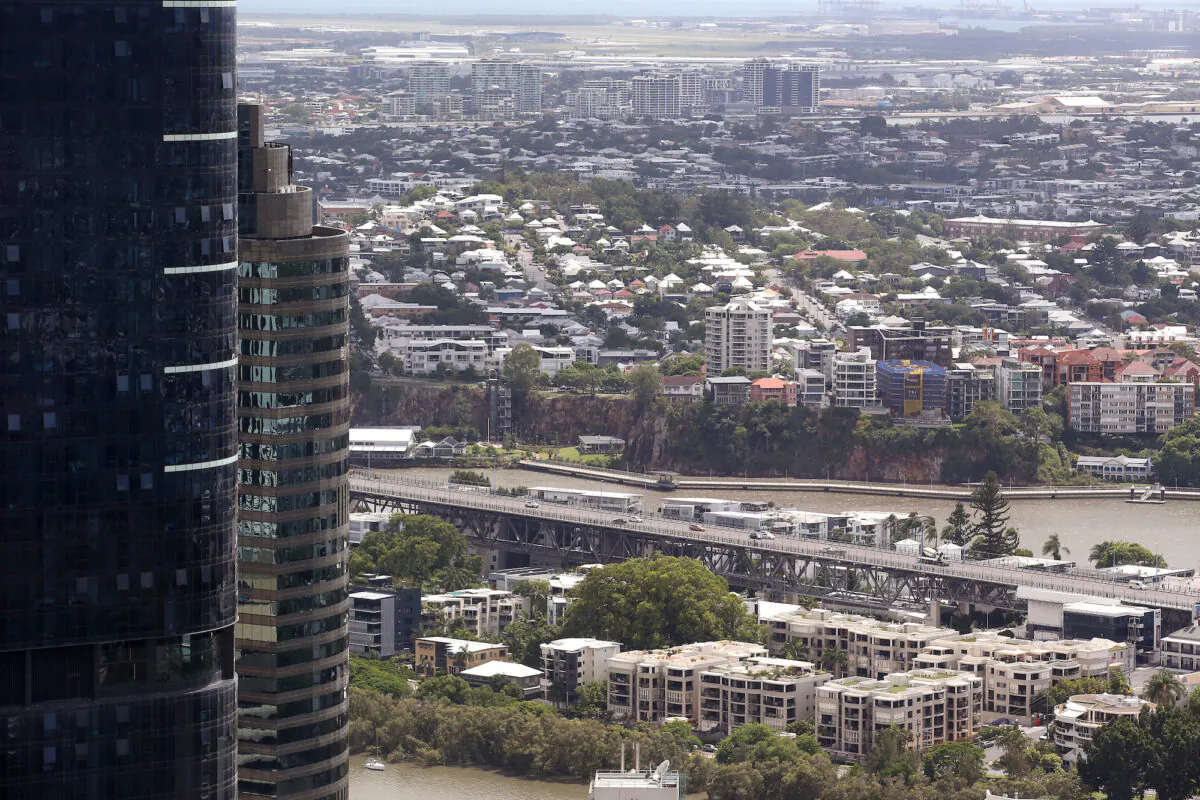
Brisbane City Council is set to instruct almost 500 short-stay rental homes in Brisbane’s suburbs to cease operations as short-stay holiday accommodation and become long-term rentals.
Short-stay accommodation operators in low to low-medium-density residential areas will have until June 30, 2026, to make the switch to long-term letting or to apply for development approval from the council, under a new proposal put forth by the council.
A new three-strikes policy will also be put in place for operators whose guests disturb neighbours, with the penalty being the rejection of their permit and ultimately the end of the property as a short-term rental.
Letting a property without a permit could also lead to fines of more than $140,000 (US$93,000).
Brisbane Lord Mayor Adrian Schrinner said the capital faced challenges as it dealt with soaring population growth.
“This new law is about striking a balance between supporting tourism and economic activity and protecting the peace of our suburbs where people live,” he said in a statement.
“We want to make sure our suburbs remain places where residents enjoy the lifestyle Brisbane is known for.
“These changes will help return hundreds of homes to the long-term rental market while still ensuring short-stay accommodation can operate in the parts of the city where it makes sense.”
Schrinner says the council will also advocate for state government body corporate legislation to give other owners more say over whether short-stay accommodation can be operated from their complex.
A new permit scheme will also mean operators will be required to nominate a person who can deal with complaints 24 hours a day, and must respond within 60 minutes and report to the council within 24 hours.
Under the rules, guests would have to obey a set of house rules, while operators would need to display their permits in advertisements, have public liability insurance, and have certifications, including development approvals and pool safety certification.
The council is working with suburban pubs to encourage short-term accommodation on large, “underutilised” suburban sites.
The proposed changes will go before public submissions from Dec. 12, 2025, through to Feb. 16, 2026, before being run past the state government and then back to the council for final approval.
“Tourism will always be important for our city, but it shouldn’t come at the cost of suburban amenity,” Schrinner said.
The Epoch Times contacted short-term stay facilitator Airbnb for comment.
No Clear Sign of Rental Increases in Brisbane
Brisbane appears to be an outlier when it comes to higher rents correlating with short-term accommodation volumes.
A 2023 University of Queensland study found rental affordability of houses and units within the most affordable areas of Brisbane had remained relatively unchanged since the rise of short-term letting.
The report found there was no clear alignment between Brisbane suburbs where rent increases have been highest and the percentage of dwellings devoted to short-term accommodation.
However, popular tourist areas with high volumes of short-stay rentals did show signs of rental increases from 2019-22, including the Gold Coast, Sunshine Coast, Noosa, and Douglas regions.
Tourist areas are typically more likely to have higher numbers of short-term accommodation stays, according to a 2023 state review.
 Friends Read Free
Copy
Facebook
Tweet
Friends Read Free
Copy
Facebook
Tweet