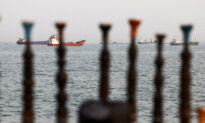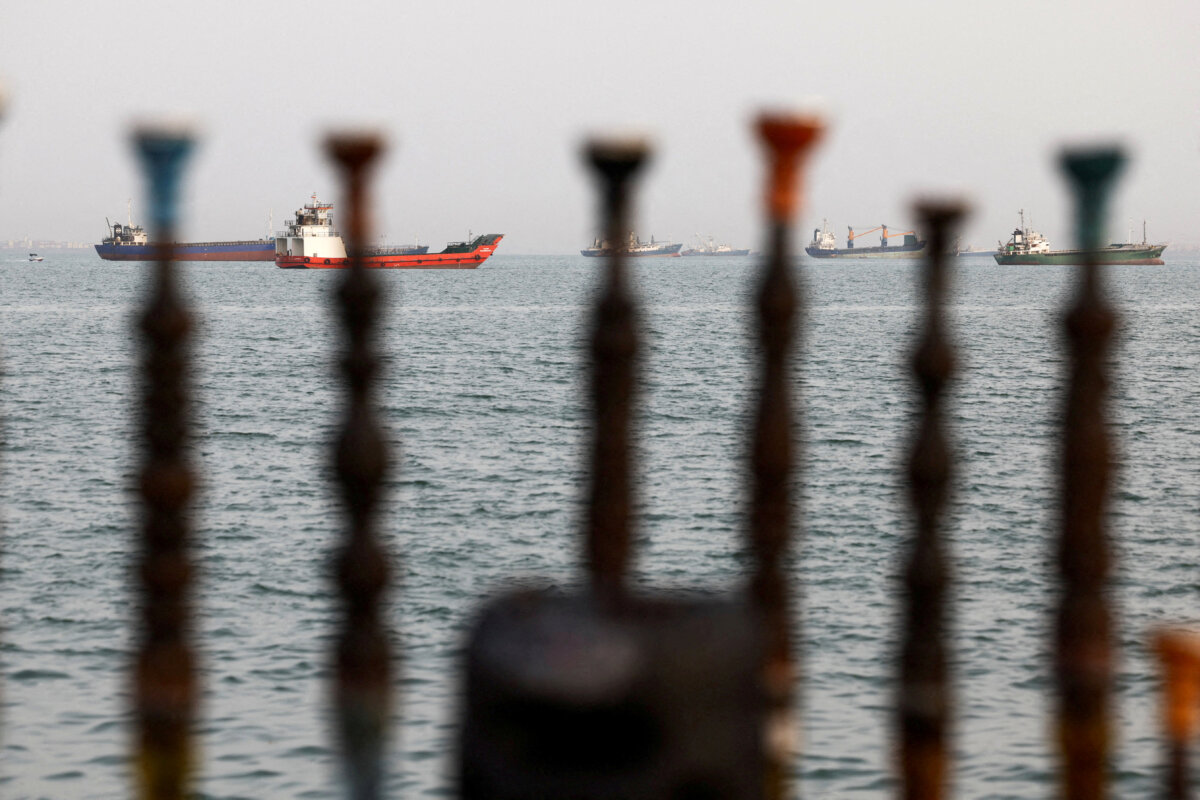

U.S. Central Command (CENTCOM) said its forces shot down four Iranian one-way attack drones on Friday as they headed toward the Strait of Hormuz, before striking coastal surveillance radar sites at Goruk and on Qeshm Island to prevent further launches.
In a statement posted on X, the command called the drones an immediate threat to regional maritime traffic in the narrow waterway that connects the Persian Gulf to the open sea.
CENTCOM said U.S. forces acted in self-defense following the drone launches and remained “vigilant and postured to respond to unjustified Iranian aggression.”
The statement came hours after CENTCOM rejected Iranian claims that its forces had fired warning shots at U.S. Navy warships in the Gulf of Oman and forced the American vessels to retreat toward the Indian Ocean.
CENTCOM called that account false and said any such attack would have been a gross violation of the existing ceasefire. U.S. forces, it said, still operate freely in the region while enforcing an ongoing naval blockade against Iran.
Interdiction of Supertanker
The downing of the four Iranian drones on Friday follows the U.S. military’s interdiction of the sanctioned stateless oil tanker Davina overnight on Thursday in the Indian Ocean.
The Davina, a supertanker capable of carrying up to two million barrels of crude oil, was placed under U.S. sanctions in October 2024 for Iranian oil trading, according to ship-tracking data.
“We will continue global maritime enforcement to disrupt illicit networks and interdict vessels providing material support to Iran, wherever they operate,” the Indo-Pacific Command wrote in an X post on Friday.
The radar and surveillance facilities struck on Friday sit in areas that have played a role in prior exchanges this week. CENTCOM’s account linked the latest strikes directly to the need to neutralize the ability to launch additional drones into the Strait of Hormuz.
No U.S. casualties or damage were reported in the command’s statement.
The episode takes place amid sustained U.S. military pressure on Iran’s capabilities and parallel diplomatic efforts to stabilize ongoing conflicts in the region.
Iranian ballistic missile and drone attacks have fallen considerably since the opening phase of the current U.S. campaign. Pakistan has attempted mediation to produce an amended understanding that could address frozen assets, the naval blockade, and other disputes.
Nonetheless, both sides of the conflict have accused the other of ignoring the ceasefire framework.
CENTCOM has said that U.S. forces are enforcing the blockade and responding only when Iranian actions pose imminent threats to maritime traffic or American units. Iranian state media and officials have criticized the strikes on Qeshm Island and Goruk as escalatory and illegal.
The Strait of Hormuz has long been and remains a focal point, as any sustained disruption there affects energy flows beyond the immediate region.
American officials have said that U.S. forces intend to avoid wider conflict but will continue to defend freedom of navigation and respond to direct threats.
 Friends Read Free
Copy
Facebook
Tweet
Friends Read Free
Copy
Facebook
Tweet