Jordan will host a meeting between U.S. and Syrian officials on Aug. 12 to discuss Syria’s reconstruction, the Jordanian foreign ministry confirmed on Aug. 10.
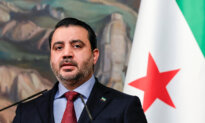
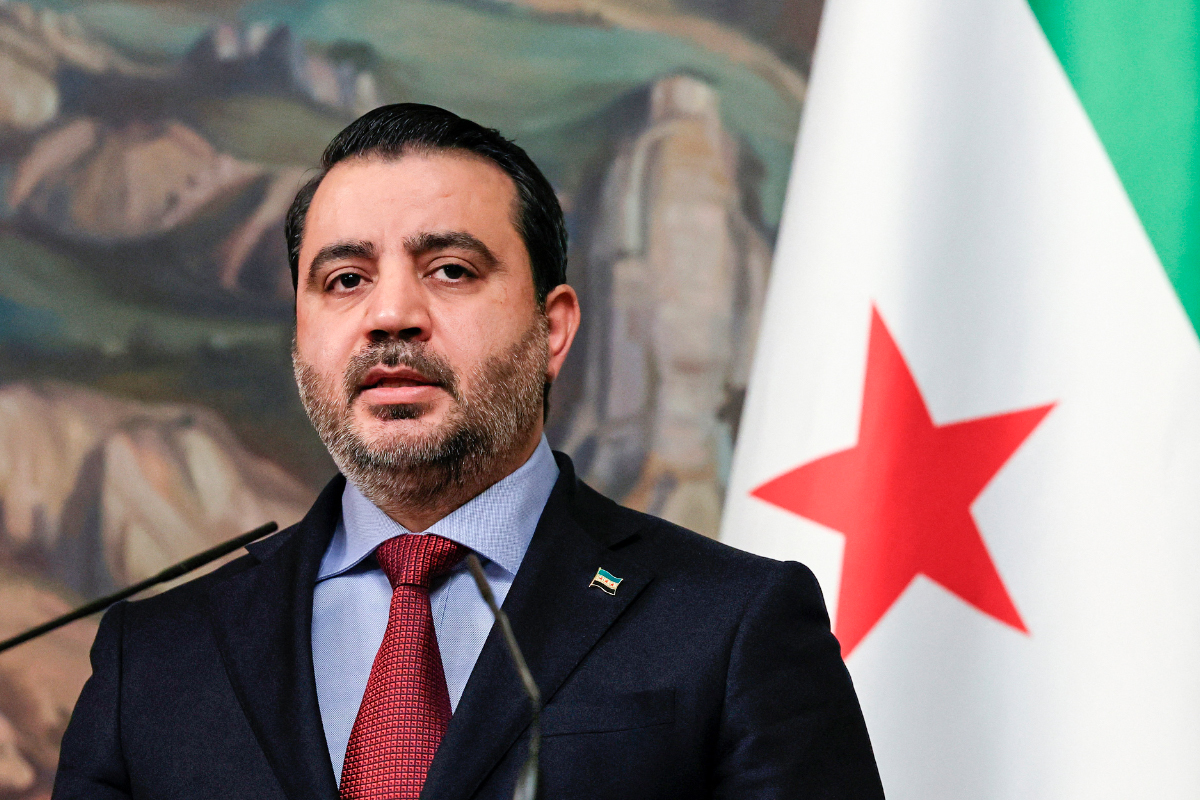
Syrian Foreign Minister Asaad Hassan al-Shaibani and U.S. special envoy for Syria Thomas Barrack are expected to attend, along with other representatives from the three countries, the Jordanian foreign ministry wrote on X.
The ministry said the diplomats will discuss the situation in Syria and how to rebuild the nation to “ensure its security, stability, and sovereignty, meet the aspirations of its brotherly people, and preserve the rights of all Syrians,” according to a translation of the post.
Barrack, who is also the U.S. ambassador to Turkey, shared the post on X, writing, “This commitment underscores our collective determination to move toward a future in which Syria and all of its people can live in peace, security, and prosperity.”
The Epoch Times contacted the Syrian foreign ministry for comment on the scheduled meeting but did not receive a response by publication time.
The meeting follows discussions between Syrian authorities and foreign diplomats in recent weeks. On Aug. 6, Barrack met with Syrian leader Ahmad al-Sharaa to discuss political and security developments in the country.
Al-Sharaa, who was once aligned with the al-Qaeda terrorist group, was appointed by Syrian factions in January after the ouster of former leader Bashar al-Assad in December 2024.
Recent Investments in Syria
Syrian officials have also met with regional and international partners to discuss development efforts and investment.
On Aug. 6, Syria signed 12 strategic projects with several international companies worth a combined $14 billion, according to Syria’s state-run SANA news agency. These included a $4 billion agreement to build a new airport in Damascus, $2 billion for a public transportation project, and $60 million for a shopping mall.
Ayman Hamwiyah, the adviser to Syria’s Higher Authority for Economic Development, said these investments will create jobs and open the way for Syrian and international investors to enter the market.
On July 24, at the Syrian–Saudi Investment Forum in Damascus, Saudi Arabian businesses signed 47 agreements worth a total of 24 billion Saudi riyals ($6.4 billion) in investments.
According to the Saudi Press Agency, Saudi Minister of Investment Khalid al-Falih said that more than 20 Saudi government entities and 100 leading private sector companies were present at the forum to invest in a range of projects across various sectors, including energy, infrastructure, health care, and agriculture.
Al-Falih highlighted agreements of around 11 billion Saudi riyals ($2.93 billion) in infrastructure and real estate, including the construction of three cement factories. And 4 billion Saudi riyals ($1.07 billion) will be invested in the telecommunications sector, for the development of digital infrastructure, data centers, and artificial intelligence.
Sanctions Lifted
On June 30, U.S. President Donald Trump lifted most sanctions on Syria, giving the war-torn country a chance to rebuild and develop its economy. Sanctions in place since the civil war began in 2011 will remain on al-Assad and other individuals.
U.S. White House press secretary Karoline Leavitt said during the press briefing ahead of the signing, “This is an effort to promote and support the country’s path to stability and peace.”
Similarly, the European Union announced in May that it would lift sanctions, with European Commission Vice President Kaja Kallas saying the bloc wanted to help “rebuild a new, inclusive and peaceful Syria.”
The move followed the UK’s lifting of sanctions in April.
A group of experts at the United Nations on July 24 welcomed the removal of sanctions, saying they were no longer justified after the al-Assad regime was toppled.
“Their lifting opens promising pathways to recovery,” the experts said in a statement. “We urge the interim Government to prioritise the reconstruction of sustainable infrastructure and public services to fulfil the wide range of human rights at risk in Syria.”
The Carnegie Endowment for International Peace, a Washington-based international affairs think tank, estimates that the cost of Syria’s reconstruction will be between $250 billion and $400 billion.
 Friends Read Free
Copy
Facebook
Tweet
Friends Read Free
Copy
Facebook
Tweet