
U.S. and South Korean officials met in Seoul on June 11 to strengthen nuclear deterrence and military readiness as North Korea expands its nuclear weapons program and increases production of weapons-grade nuclear material.
The discussions were part of the sixth meeting of the Republic of Korea–U.S. Nuclear Consultative Group (NCG).
The officials said in a joint statement after the meeting that they reviewed cooperation on intelligence sharing, consultation procedures during a nuclear crisis, military exercises, training, and strategic communications.
The two sides also discussed additional measures to strengthen nuclear deterrence and military readiness.
“The U.S. side reaffirmed its commitment to providing extended deterrence to the Republic of Korea by utilizing all categories of U.S. capabilities, including nuclear capabilities,” a translation of the statement said.
The June 11 meeting was cohosted by Kim Hong-chul, director general for defense policy at South Korea’s Ministry of National Defense, and Robert Soofer, deputy assistant secretary for nuclear deterrence and weapons of mass destruction countermeasure policy at the U.S. Department of Defense.
Officials signed new security guidelines intended to protect information shared through the NCG and approved plans for future NCG activities through the second half of 2026.
Established under the Washington Declaration in 2023, the NCG expanded cooperation on nuclear planning and gave South Korea greater insight into U.S. deterrence planning related to North Korea.
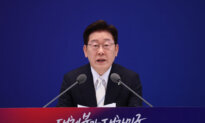
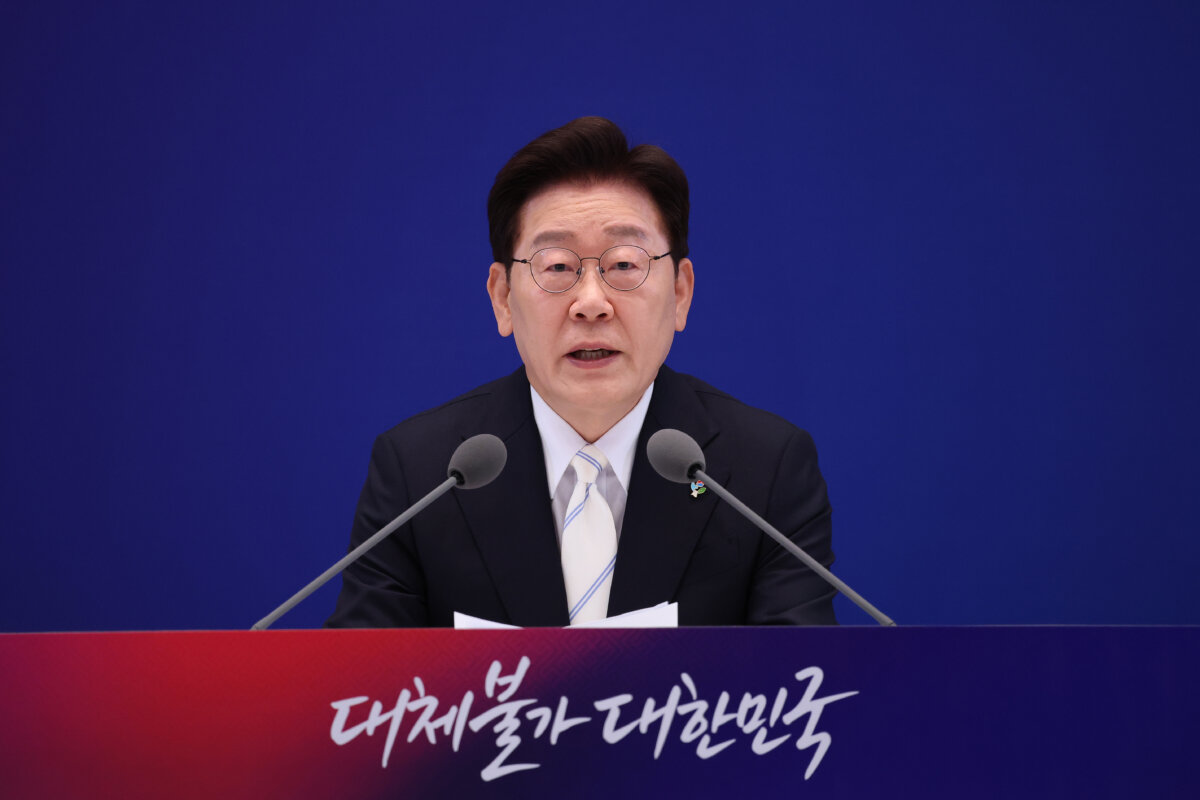
South Korean President Lee Jae-myung warned on June 8 that North Korea continues to expand its nuclear capabilities despite international sanctions and diplomatic pressure.
Lee said Pyongyang is producing enough nuclear material to build roughly 10 to 20 nuclear weapons each year.
According to Lee, North Korea’s ballistic missile program has also continued to advance and has “almost reached its final stage.”
Lee said Seoul should pursue a realistic approach toward North Korea.
As a near-term objective, he called for negotiations aimed at halting the production of nuclear material and preventing further development of intercontinental ballistic missiles.
North Korea’s Nuclear Expansion
The meeting occurred days after the International Atomic Energy Agency issued new warnings about North Korea’s nuclear program.
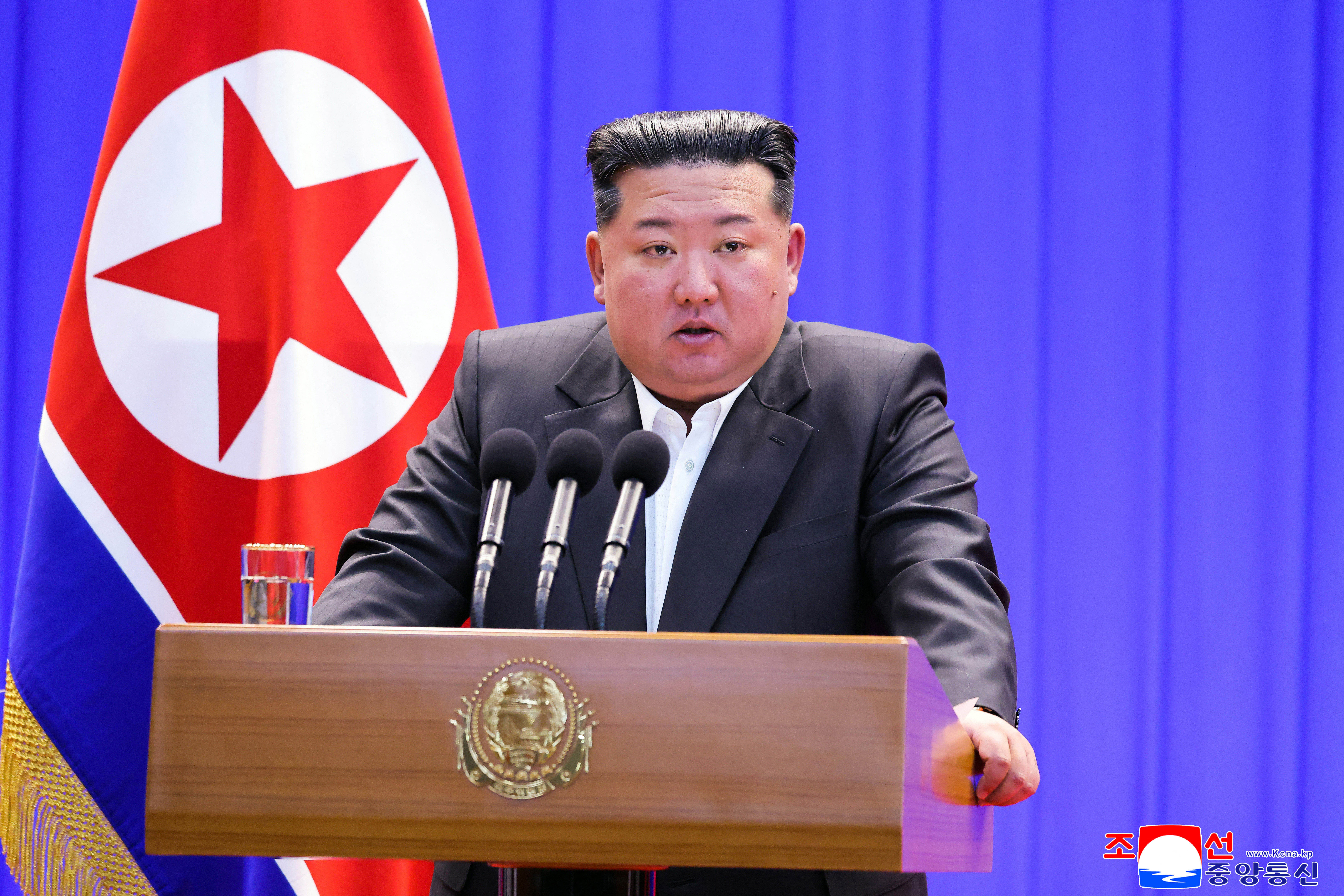
North Korean state media reported on June 4 that leader Kim Jong Un had visited a newly opened facility involved in producing nuclear materials and called for an “exponential” increase in the country’s nuclear forces.
The latest disclosures have renewed concerns among regional governments and international observers that North Korea is accelerating efforts to expand its nuclear arsenal.
International Atomic Energy Agency Director General Rafael Grossi said on June 8 that the agency had observed signs that North Korea was expanding its capacity to produce weapons-grade nuclear material.
Grossi said the agency had previously identified a new building at Yongbyon Nuclear Scientific Research Center, in North Korea’s North Pyongan Province, with characteristics similar to the Kangson uranium-enrichment facility just outside of Pyongyang.
He noted that Kim visited a “newly inaugurated nuclear materials production factory” on June 3 and spoke about developing the country’s capacity to produce weapons-grade nuclear material.
“Photographs taken during Kim’s visit show centrifuges and cascades similar to those depicted in previously released images of DPRK enrichment facilities,” Grossi said, using the abbreviation of North Korea’s official name, the Democratic People’s Republic of Korea.
“The ongoing operation of enrichment facilities at Kangson and Yongbyon and the reported further expansion of the DPRK’s production of weapons-grade nuclear material is a cause for serious concern.”
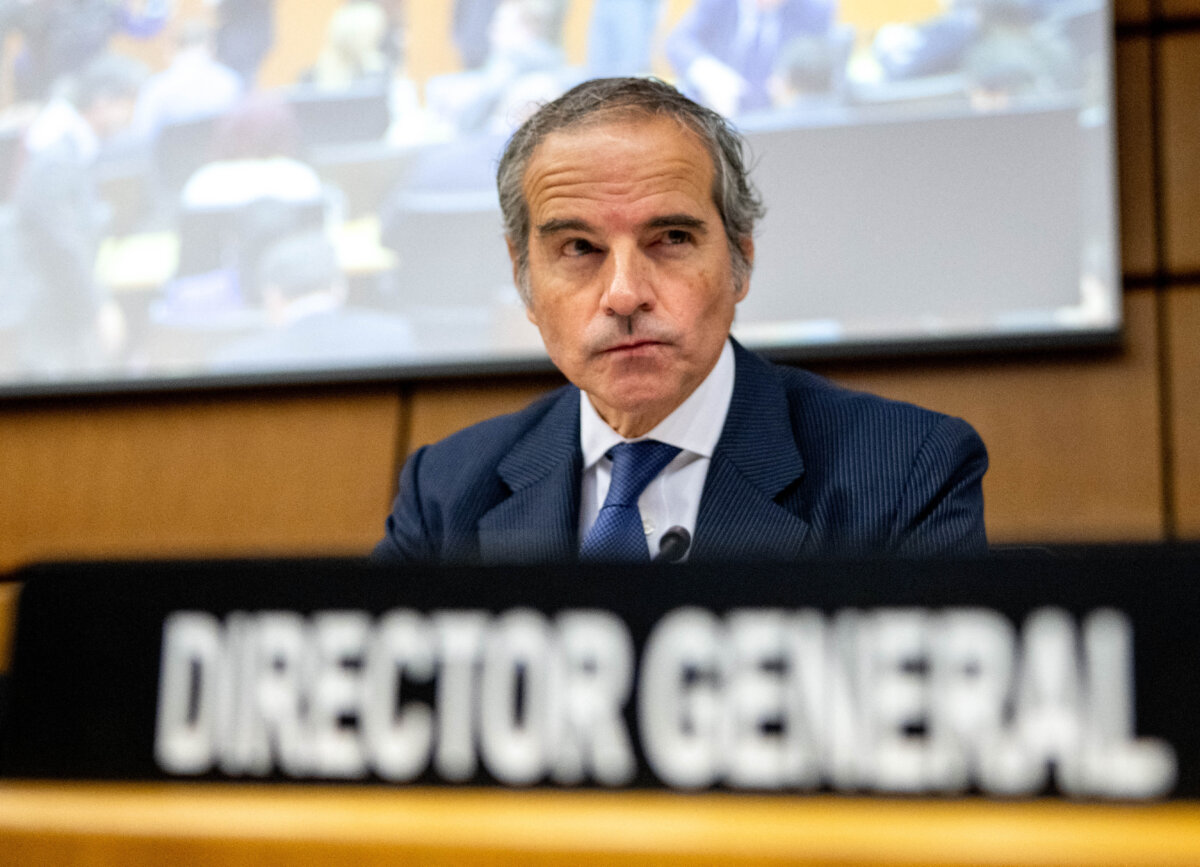
Grossi also said the agency had observed continued activity at several nuclear sites, including Yongbyon’s five-megawatt reactor and its radiochemical laboratory.
The International Atomic Energy Agency reported that North Korea’s nuclear test site at Punggye-ri remains capable of supporting a future nuclear test.
“The continuation and further development of the DPRK’s nuclear program are clear violations of relevant UN Security Council resolutions,” Grossi said.
Ties With China
The U.S.–South Korea nuclear consultations also took place days after Chinese Communist Party leader Xi Jinping visited Pyongyang in his first trip to North Korea in seven years.
According to Chinese and North Korean accounts of the meeting, Xi and Kim pledged to deepen political, economic, and cultural cooperation between their countries.
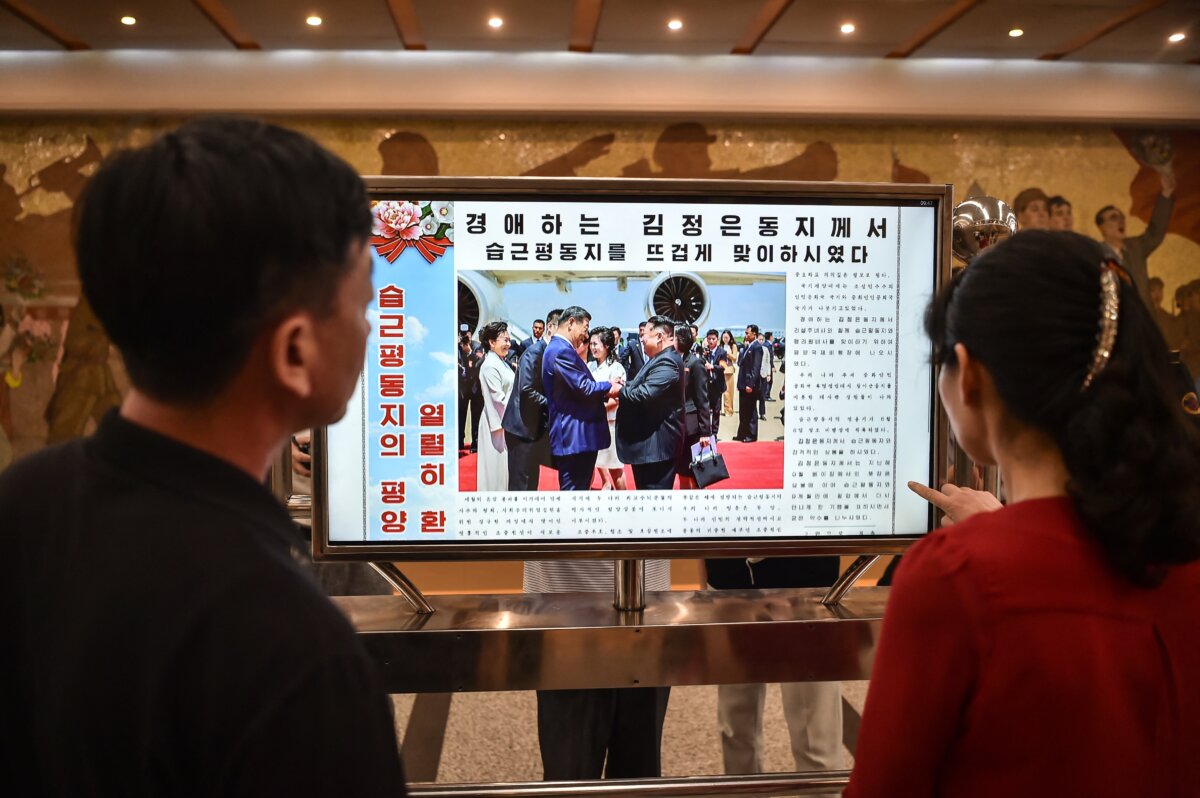
Neither side publicly mentioned North Korea’s nuclear program in official summaries of the talks.
The visit drew attention across the region because China remains North Korea’s largest trading partner and most important diplomatic supporter.
 Friends Read Free
Copy
Facebook
Tweet
Friends Read Free
Copy
Facebook
Tweet