U.S. Secretary of State Marco Rubio on Thursday placed fresh sanctions on five Cuban entities and one individual. The targets have been key to the regime’s financial channels and its grip on metals, mining, and energy, officials said.
A grandson of Raúl Castro, a state bank, and four companies involved in the island’s natural resources or its energy sector appear on the list. The action stems from U.S. President Donald Trump’s Executive Order 14404.
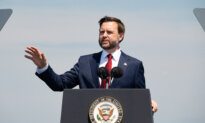
“The Communist Cuban regime continues to pose a deep, multifaceted threat to U.S. national security and our hemisphere’s stability,” Rubio said in a statement. “While the Cuban people suffer, the Castro family and their cronies in Cuba’s repressive Ministry of the Interior (MININT) continue to perpetuate their total control of the island’s economy, hoarding resources for the benefit of a small group of regime elites.”
Fidel Ernesto Castro Calis, the grandson of Raúl Castro, joins his father, Alejandro Castro Espín, on the sanctioned list, along with another of Castro Calis’s brothers.
Banco Exterior de Cuba, a state-owned bank, specializes in corporate banking, foreign-trade finance, and international deals. It moves the regime’s money across borders, leading to its designation.
Two firms in the nickel trade were also placed on the list. Empresa de Servicios Comandante René Ramos Latour, Nicarotec for short, supplies geological and mining support to Cuba’s nickel industry. Empresa Importadora y Abastecedora del Níquel, known as Cexni, imports and delivers specialized raw materials, machinery and equipment for nickel and cobalt work.
Energy firms also found themselves sanctioned. Empresa Importadora de Abastecimiento para el Petróleo, or Abapet, is a subsidiary of the previously sanctioned Unión Cuba Petróleo. It purchases the tech, spare parts, tools, and industrial inputs needed to keep the energy sector alive. Comercial Cupet S.A. represents the parent company in talks and joint ventures with foreigners. Both were designated.
The sanctions follow E.O. 14404, which lets the administration go after people and groups that support Cuba’s security forces or threaten U.S. security and foreign policy. They also track with an earlier executive order on Cuban government threats and a National Security Presidential Memorandum that pushes for improvements in human rights, the rule of law, free markets, and democracy on the island.
Property and interests of the newly named parties that sit inside the United States or under U.S. control are now blocked. Americans generally can’t do business with these parties without a license. Foreign people and entities that keep dealing with the targets risk secondary sanctions of their own.
“These designations reflect President Trump’s unwavering vision for a free Cuba — one where the regime’s illicit financial networks, repressive apparatuses, and entrenched Castro-era power structures are dismantled, and where the Cuban people, not their oppressors, inherit the nation’s future,” Rubio said.
Earlier moves under the same pressure campaign have targeted military imports, additional metals and mining outfits, as well as energy companies and top regime names, including Cuban leader Miguel Díaz-Canel and other Castro relatives.
 Friends Read Free
Copy
Facebook
Tweet
Friends Read Free
Copy
Facebook
Tweet