
Ottawa is set to table a new hate crime bill on Sept. 19 that is expected to make it a criminal offence to intentionally promote hate in public by using “terror” and “hate” symbols.
The new legislation would target symbols of government-designated terror groups and other hate symbols, such as Nazi, Hamas, or Hezbollah flags, that are used to display hatred towards an “identifiable group,” according to media reports citing senior government sources.
The bill will also make it easier for police to pursue charges for “hate propaganda” offences, including the promotion of genocide, by removing the requirement to first seek approval from the attorney general, the reports say. This would allow these incidents to move more quickly through the courts. Additionally, the legislation is expected to define hatred in the Criminal Code.
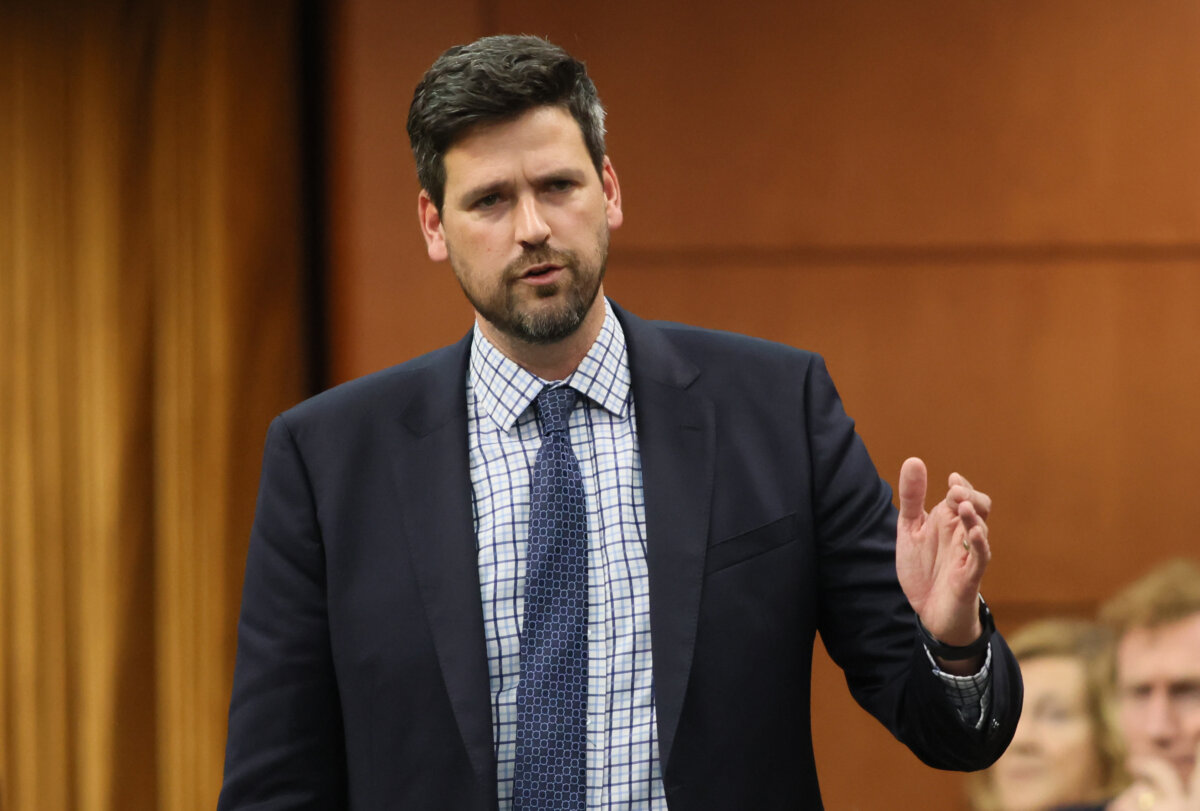
“Hate is not limited to the steps of our synagogues, our churches, our temples, our mosques,” Justice Minister Sean Fraser told reporters on Sept. 16 ahead of a cabinet meeting. “It happens in real time for people in communities more broadly, and we want to ensure that we reflect changes in the criminal law that will offer protection to people who are subjected to crimes of hate no matter where they take place.”
The bill follows the Liberal government’s campaign commitments to introduce legislation that makes it a criminal offence to intentionally obstruct or intimidate those attending faith-based institutions. Fraser said the bill will “take it a step further” to address hate more broadly in the community.
The minister has said the bill would add criminal provisions to prohibit the obstruction of synagogues, mosques, churches, as well as cultural community centres, schools, or other facilities designated for specific groups, and would also make it a crime to intimidate those seeking to use such faith-based institutions.
‘Hate’ Symbols
While owning or displaying “hate” or “terror” symbols in one’s home would not constitute a criminal offence, as it wouldn’t be considered publicly promoting hate or committing an act against a group, using these symbols as an act of hatred towards an “identifiable group” would be considered a crime under the new legislation, such as waving a Hamas flag outside of a synagogue.
The Criminal Code defines an identifiable group as one that is “distinguished by colour, race, religion, national or ethnic origin, age, sex, sexual orientation, gender identity or expression, or mental or physical disability.”
Some civil liberties advocates have raised concerns about the legislation infringing on Canadians’ right to freedom of expression. The reports say the government expects the bill will comply the Charter of Rights and Freedoms, including the right to protest.
The bill will allow Canadians to “continue to protest on issues that they feel are of great importance to the country, without compromising on the essential public safety imperative of addressing hate, not just at our religious institutions, but as it takes place in our communities,” Fraser told reporters on Sept. 17 ahead of a caucus meeting.
He said he would “love to have the unanimous consent of parties” and have the bill pass through the House of Commons “as soon as possible,” but noted that the Liberal government is willing to discuss the legislation should other parties wish to debate it.
“However, if everyone in the House accepts that this is the right path forward, I don’t see need to delay unnecessarily when we know hate is such an important issue to address given the preponderance of hate-oriented violence that we see, not just in our religious institutions, but more broadly throughout our communities,” Fraser said.
Religiously Motivated Attacks
The bill comes in response to an increase in religiously motivated hate crimes in recent years. Jewish communities, such as the Centre for Israel and Jewish Affairs (CIJA), have raised alarm about the rise in anti-Semitic incidents in Canada since Hamas’s Oct. 7, 2023, attack on Israel.
According to Statistics Canada data, there were 920 police-reported hate crimes targeting Jewish people in 2024—far outweighing other types of religiously motivated attacks that year.
CIJA CEO Noah Shack said in a statement the hate crimes legislation is a “much-needed step in the right direction,” noting that “schools have been shot at, synagogues firebombed, Jewish-owned businesses vandalized, and even everyday activities like grocery shopping or taking your kids to the park have become unsafe.”
“We urge the government to continue pushing forward with measures to keep Canadians safe – including ensuring enforcement of existing laws, filling gaps in Canada’s anti-terror legislation, and boosting support for community security in Budget 2025,” Shack said in a Sept. 12 statement.
The hate crimes bill is the first piece of legislation including criminal justice reforms that the Liberal government is set to table during the fall parliamentary sitting, Fraser said. The minister has noted that a number of measures relating to bail reform, sentencing, and delays in the justice system will be tabled in October.
Additionally, he said new measures to protect victims of intimate partner violence, protecting kids online, and victims in the criminal justice system will be introduced as a third piece of legislation during this fall sitting.
 Friends Read Free
Copy
Facebook
Tweet
Friends Read Free
Copy
Facebook
Tweet