
The Tumbler Ridge, B.C., mass shooting has prompted a closer look into how artificial intelligence platforms deal with potential signs of violence, and what Ottawa is doing to ensure such cases are escalated to police.
In the days following the Feb. 10 shooting, OpenAI said it had identified and banned an account linked to the shooter, 18-year-old Jesse Van Rootselaar. The account, which was flagged last June, had interacted with ChatGPT and was removed after being identified as violating company policy through a combination of automated detection tools and human review.
OpenAI said in a Feb. 21 statement that since the company couldn’t identify credible or imminent planning of real-world violence, the account did not meet the threshold required to inform law enforcement about the “concerning” activity.
OpenAI’s statement came after a Wall Street Journal report said Van Rootselaar made posts with ChatGPT describing scenarios of gun violence. The report also said the company’s employees had considered alerting authorities at the time.
The RCMP has said OpenAI contacted police after the shooting. For its part, OpenAI said that once it became aware of Van Rootselaar’s name through media reports, it contacted the RCMP.
The controversy centres on whether OpenAI had sufficient information—and a corresponding responsibility—to alert law enforcement about Jesse Van Rootselaar’s online behaviour before the shooting occurred.
The Feb. 10 Tumbler Ridge massacre left 27 people injured and nine people dead, including Van Rootselaar, who police say died of a self-inflicted gunshot wound.
The victims include five students, ages 12 to 13, and one teacher who were killed at Tumbler Ridge Secondary School, as well as Van Rootselaar’s mother and half-brother, who were killed at their home. Two other victims were airlifted to hospital, one of whom remains in critical condition.
Police have said they had previously visited Van Rootselaar’s household on several occasions related to mental health issues, as well as to secure firearms. The last such visit was last spring, the RCMP said.
Ottawa’s Response
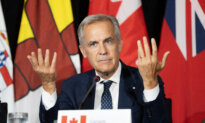
The case prompted Artificial Intelligence Minister Evan Solomon to summon OpenAI’s senior safety executives to a Feb. 24 meeting in Ottawa. The meeting, which also included Public Safety Minister Gary Anandasangaree and Culture Minister Marc Miller, focused on having the company explain its safety protocols and the thresholds it uses to escalate concerning content to law enforcement.
Solomon said in a statement after the meeting that the ministers expressed “disappointment” that OpenAI representatives did not present any “substantial new safety measures” at the meeting.
“We made it clear that Canadians expect credible warning signs of serious violence to be escalated in a timely and responsible way,” Solomon said in the statement. “Internal review alone is not sufficient when public safety is at stake.”
The meeting also consisted of discussion on how “imminent and credible risk” is identified, how cases move from automated detection to human review, and how referrals are handed, particularly when young people may be involved, he said.
Solomon said the details of the shooting were not discussed at the meeting as the police investigation is still underway. He noted the company said it would return “shortly” with more “concrete proposals tailored to the Canadian context,” and confirmed that it is cooperating with the RCMP in its investigation.
Ottawa has not yet confirmed whether it intends to regulate AI chatbots directly, but Solomon has said “all options are on the table.”
“We are reviewing broader measures to ensure that AI systems and platforms operating in Canada have clear standards and accountability and will have more to say on this work in the coming weeks,” he said in the statement.
Justice Minister Sean Fraser has also commented on the case, telling reporters on Feb. 24 that it is “absolutely essential” that law enforcement have access to the information they need to investigate, prosecute, and prevent crimes.
Miller, whose department is currently working on legislation to address online harms, told reporters he thinks there is a need to have legislation to ensure AI platforms are being “responsible,” but noted that “what that looks like is still to be determined.”
B.C. Premier David Eby is calling on Ottawa to implement national standards for AI companies on reporting potential threats to law enforcement. He told reporters that it appears OpenAI “had the opportunity to prevent this tragedy,” and said he hopes the company will clarify its decision not to alert police.
The Canadian Press contributed to this report.
 Friends Read Free
Copy
Facebook
Tweet
Friends Read Free
Copy
Facebook
Tweet