News Analysis
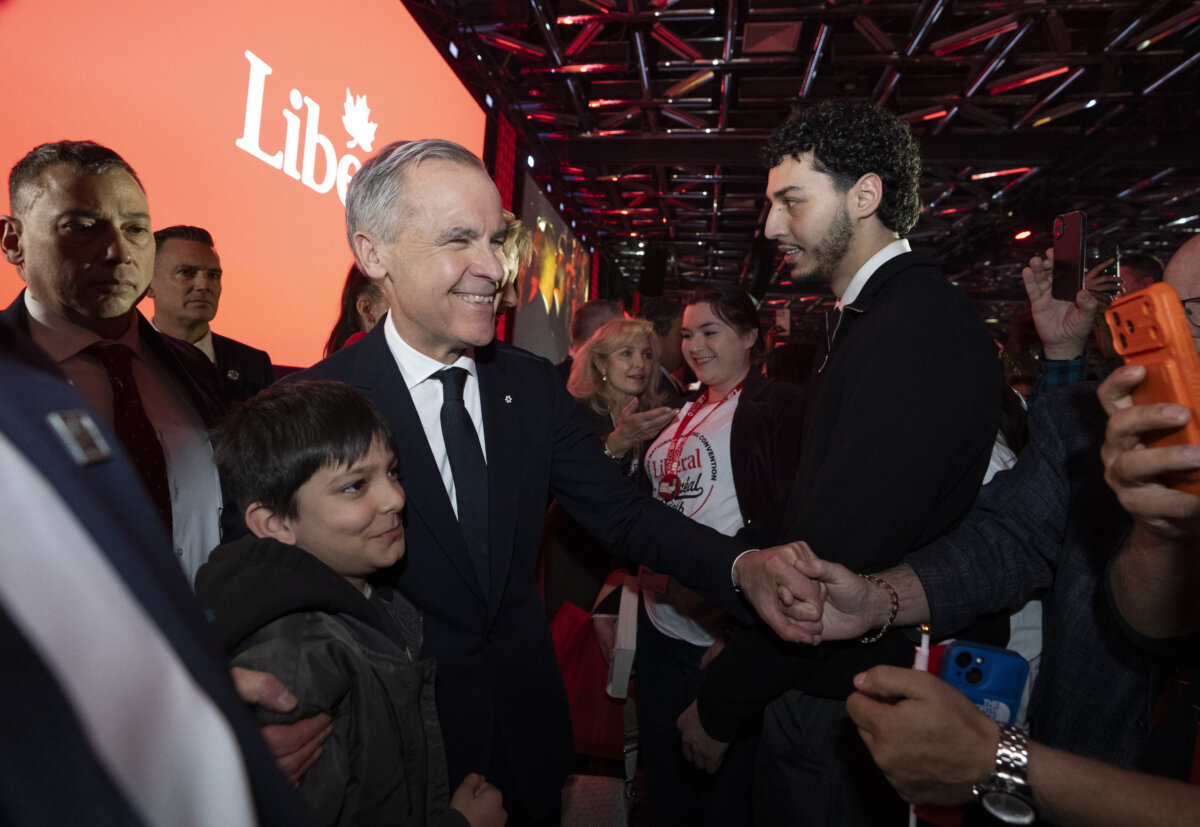
The Liberal Party clinched a majority government after the April 13 byelections and five opposition MP defections in recent months, giving the party the ability to pass legislation without concessions to the opposition.
But there are areas where there could be caucus dissent for the government’s slim 174-seat majority.
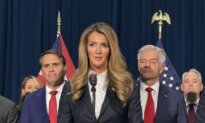
The party has not been united on energy policies and conflicts in the Middle East, and now the party tent has been stretched with the influx of defectors, with the last two coming from opposite ends of the spectrum: former NDP MP Lori Idlout and former Conservative MP Marilyn Gladu, who has described herself as pro-life.
While floor-crossers may have joined with the understanding that they’ll have to toe the party line—as Gladu indicated when she joined the Liberals earlier in April—tensions over cabinet and other posts and any prioritization of defectors, along with policy disagreements, remain potential sources of dissent.
Floor-Crossers and Policy Issues
Some Liberal MPs have commented on the new party dynamic after the recent floor-crossings, and have also publicly clashed with party leadership over policy issues.
Steven Guilbeault quit his cabinet post last November in protest of the deal reached between Ottawa and Alberta on energy and net-zero emissions policies. A self-described “proud socialist,” Guilbeault didn’t hide his surprise in having to share the same caucus with Gladu.
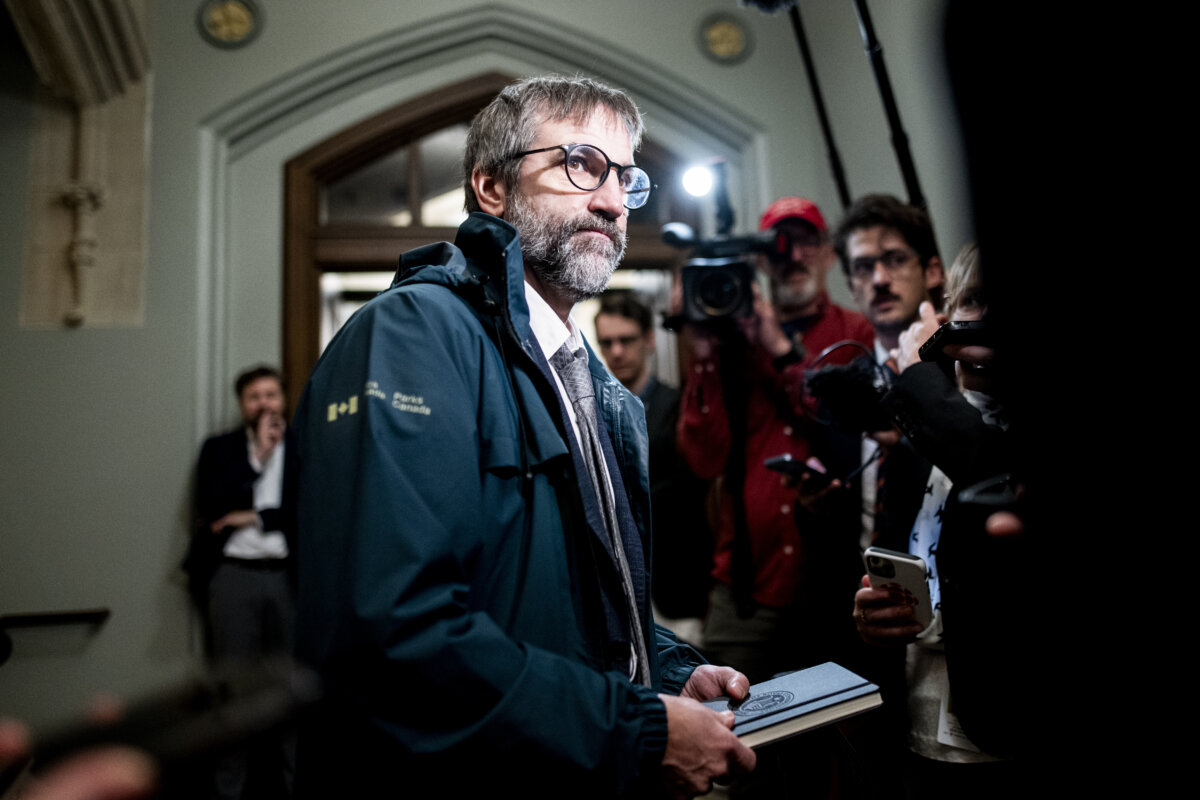
“Like many of my colleagues, that did raise an eyebrow when I heard the news,” Guilbeault said about Gladu’s defection. “She’s had positions that are against many of our positions on social issues, on things like climate change,” the MP told CPAC in an April 11 interview on the sidelines of the Liberal convention in Montreal.
The former minister of environment and culture said he looks forward to discussions with Gladu and to “hopefully” collaborate on these issues.
Guilbeault also said there is still room for progressives within the Liberal Party, even though he said there’s been a pullback on net-zero initiatives.
Guilbeault wasn’t the only MP who voiced opposition to Ottawa and Alberta striking a memorandum of understanding last year. The idea of building a new oil pipeline to the B.C. coast, even with carbon capture and storage, does not sit well with several Liberal MPs in British Columbia.
The project hasn’t made further progress since Carney formalized the federal government’s support, so it remains to be seen how its eventual development could further affect caucus dynamics.
Karina Gould, an Ontario MP and former Trudeau cabinet minister who competed with Carney for the party’s leadership, also weighed in on Gladu’s defection during the convention regarding the former Tory’s socially conservative views. She said Gladu’s decision to join the Liberals does not signal a shift in the party’s values, but rather a change in those of the newest caucus member.
While Gould said she will give Gladu the “benefit of the doubt,” she said she will hold Carney accountable for any impact this has on caucus.
“I’m going to hold the prime minister accountable for what he has said about accepting somebody who has held beliefs that are contrary to the beliefs of the Liberal Party and its membership, and I think we’re going to have to see how that goes,” she told CPAC on April 11.
Gould is considered to be among the more progressive members of the caucus.
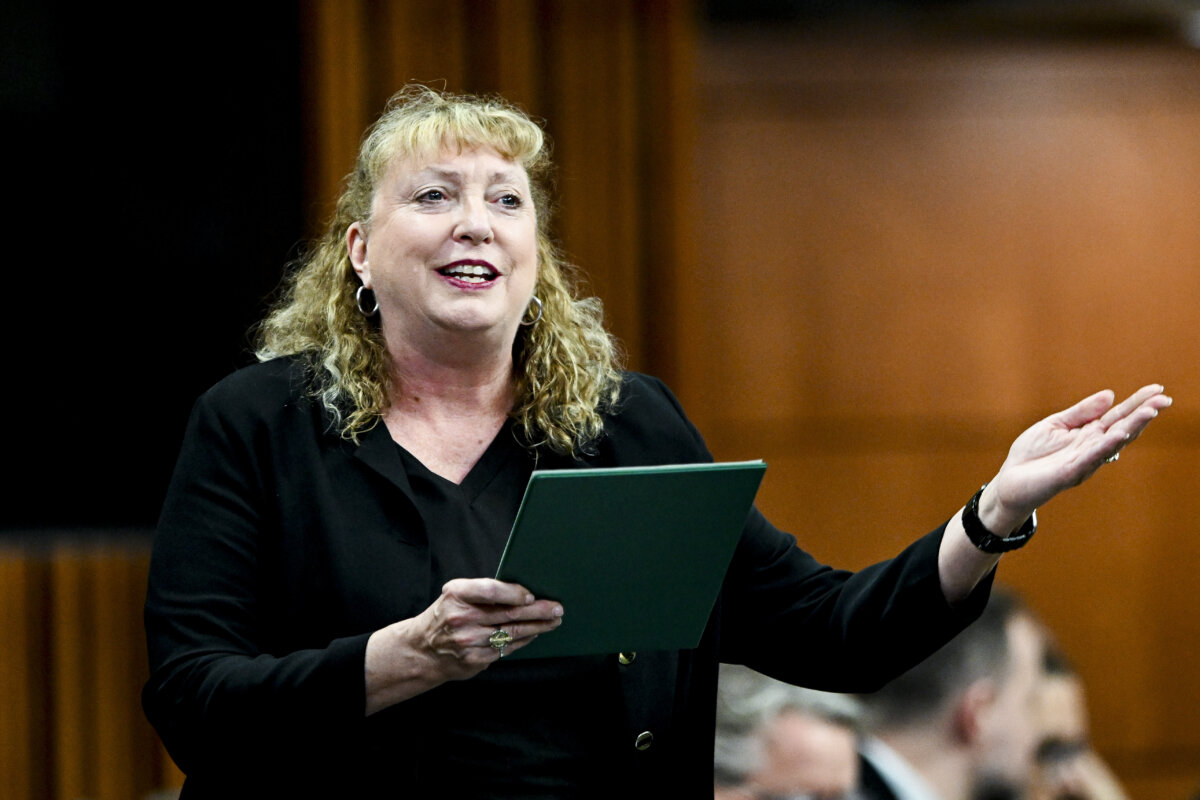
As for Gladu, she told reporters at the convention on April 9 that she is now “absolutely” pro-choice and will vote with the government. “I have been consistent when I said that women need to have the right to choose, I obviously have my long faith traditions, but you know, I’m ready to support the rights of women in this country,” she said.
The former Tory MP ran for party leadership in 2020 and said she was “pro-life,” while adding that abortion services are needed because a majority of Canadians wants access to them.
An advantage for the Liberals is that there is no ongoing debate among major parties on abortion in Canada. Meanwhile, one’s stance on the issue apparently remains a purity test. Former Liberal leader Justin Trudeau had set the rule in 2014 that every new Liberal candidate would need to vote “pro-choice.”
Gladu has recently taken positions on several issues that conflict with Liberal policy, including her criticism of the federal gun buyback program. She also opposed Ottawa’s decision to appeal to the Supreme Court after the Federal Court of Appeal ruled that the government unjustifiably invoked the Emergencies Act to dismantle the 2022 Freedom Convoy protests. Gladu was a supporter of the demonstration at the time, while Carney had called it a “sedition.”
Pollster Nik Nanos told The Epoch Times that he doesn’t expect much dissension within the Liberal caucus on big policy issues, while adding it appears “pretty clear” some caucus members are nervous about the influx of former Conservatives.
“I think that’s probably going to be more of an issue to manage than than anything else. Because the fact of the matter is that when you’re in power and when you have a majority, even though it’s a thin majority, it creates a certain level of discipline,” he said.
Middle East
Some other areas of tension in the Liberal caucus could come from the government’s policy in the Middle East and towards Israel.
The terrorist attacks by Hamas against Israel in 2023, and Israel’s military response, led to sharp divisions within the Liberal caucus regarding Canada’s policy on the conflict. Some Liberal MPs are very critical of Israel, while others say Canada should stand with the Jewish state.
More recently, Carney’s initial support for the strikes on Iran by the United States and Israel led to caucus protests, including some public, and the prime minister subsequently changed his stance to raise doubts about the legality of the attacks.
Nelson Wiseman, professor emeritus of political science at the University of Toronto, said he expects issues surrounding Israel to continue generating tensions within the Liberal caucus.
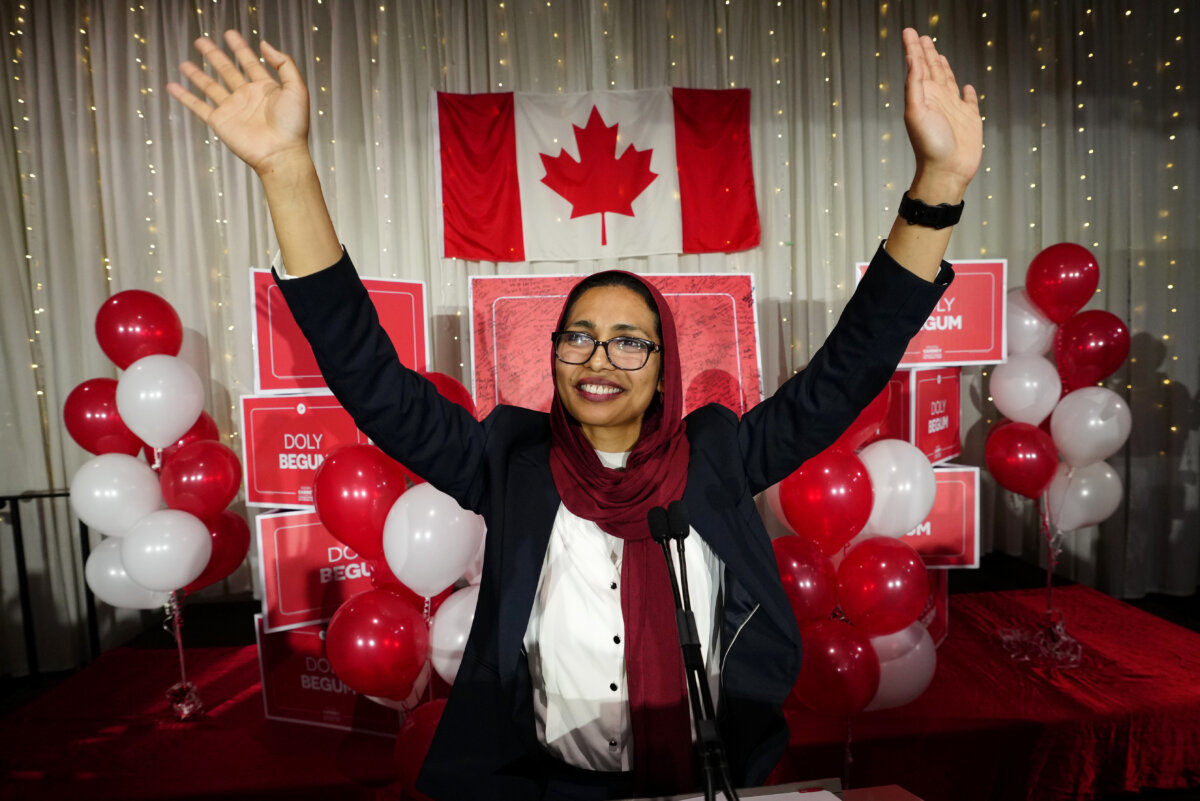
“The main one that has happened in the past year, I would say, is over Israel-Palestine, and Doly Begum is another player now in it,” Wiseman told The Epoch Times.
Begum, a former Ontario NDP deputy leader and MPP, won her byelection as a Liberal candidate in Scarborough Southwest on April 13. She previously said that Canada is “complicit” in the “genocide in Gaza.”
Such comments don’t sit well with Liberal MPs such as Anthony Housefather, who have vocally criticized the Liberal government on certain issues such as recognizing Palestinian statehood.
Cabinet Posts
Tim Powers, chair of Summa Strategies, said another potential source of internal tension could be a cabinet shuffle, where competition for promotions and disappointment over exclusions may fuel tension and frustration. Carney has mostly kept the same cabinet since the April 2025 election, safe for replacing resigning ministers.
After the Liberals’ April 2025 election victory and Carney’s cabinet shuffle, Liberal MP Nate Erskine-Smith publicly said it’s “impossible not to feel disrespected” after being removed from the housing minister role and cabinet altogether. Erskine-Smith has recently announced his intention to seek the leadership of the Ontario Liberal Party.
Matthew Horwood contributed to this report.
 Friends Read Free
Copy
Facebook
Tweet
Friends Read Free
Copy
Facebook
Tweet