

Named after a comrade who died in battle, the documentary Restrepo allows for a glimpse into the seemingly futile and endless battle in Afghanistan’s Korengal Valley. Deployed to one of the deadliest outposts in the country, a platoon of American soldiers live, breathe, and fight together in a hostile environment that brings gunfire to their doorstep every day.
“They don’t know what to do with us,” said one of the soldiers three months after living in Afghanistan. A yearlong deployment to the Korengal Valley has clearly taken its toll. The young man looks like he is trying to make sense of the world he has just been in, and the one he is in now.
The military doesn’t know how to handle these damaged souls.
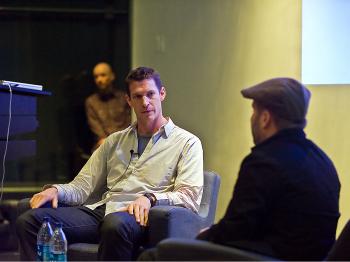
Through a series of interviews with the soldiers, just three months after they left Afghanistan, the film is a poignant reminder of the damage this war has wreaked upon America’s young men. One young man said he takes around five different sleeping pills to sleep—but would prefer not to sleep at all as the nightmares were so raw.
Restrepo begs the question: What is America doing in Afghanistan?
The film’s high point rallies around the title: By capturing and building the outpost location they named Restrepo, the Battle Company of the 173rd Airborne Brigade changed the war in the Valley. Under relentless siege, it was the most significant victory for many of the soldiers and a feat that no other platoon had achieved.
The film also gives a glimpse into the politics conducted among the locals in Afghanistan. Captain Dan Kearney, 29, was remarkable in his leadership and genuine wish to help these people, yet it seemed the orders he was carrying out were naïve.
One of the more bizarre aspects to the war was the “shuras,” or meetings with the Afghani elders; each week seemed like a politically correct farce that the soldiers carried out valiantly. To be thrust into such a foreign environment, a dangerous trudge to the meetinghouse, and faced with people who clearly had no allegiance to the Americans, seemed ignorant and ineffective.
The director’s statement from Tim Hetherington and Sebastian Junger sums up why this movie is so important for Americans to see: “Soldiers are living and fighting and dying at remote outposts in Afghanistan in conditions that few Americans back home can imagine. Their experiences are important to understand, regardless of one’s political beliefs. Beliefs can be a way to avoid looking at reality.”
Restrepo is a window into a hell we created on Earth, and a film that stays embedded after the credits roll. When life starts up again, it begs the ultimate question: Which reality is more real?
 Friends Read Free
Copy
Facebook
Tweet
Friends Read Free
Copy
Facebook
Tweet