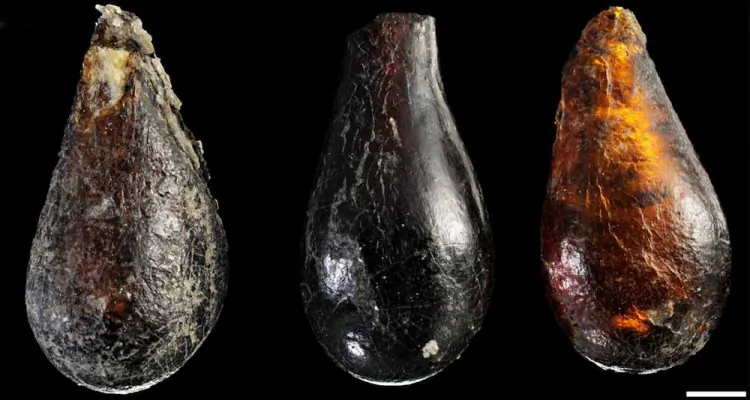

The oldest known amber-preserved arthropods have been discovered in Italy, dating back 230 million years ago to the Late Triassic.
Previously, the oldest arthropods fossilized in resin were from the Early Cretaceous about 130 million years ago, when large amounts of resin began to appear in the fossil record.
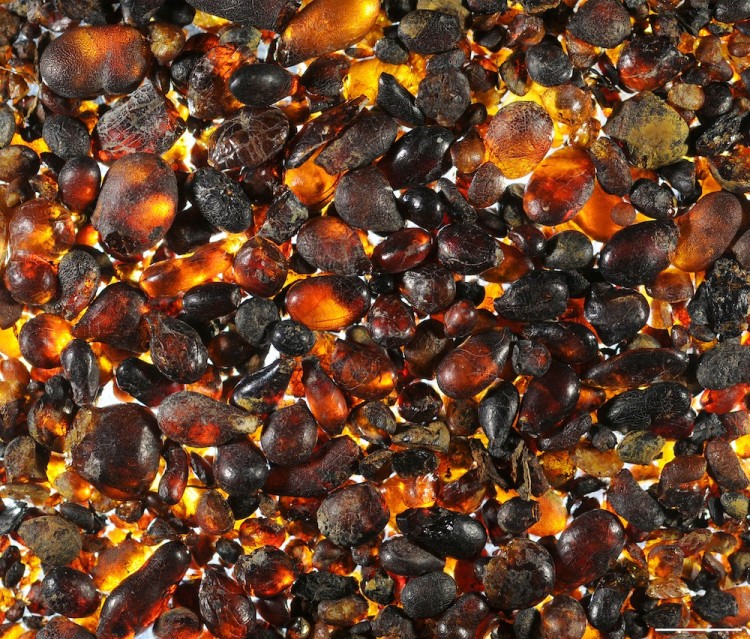
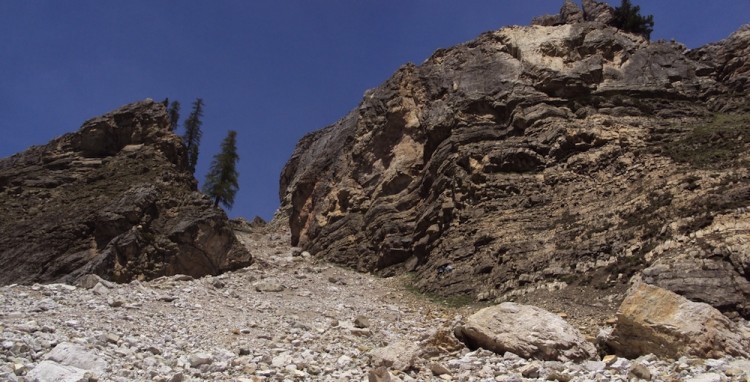
The amber is from the Heiligkreuz Formation in the Dolomite Alps of northeastern Italy. Most of the droplets are 2-6 millimeters long, and were produced by trees in the extinct conifer family Cheirolepidiaceae.
An international research team worked together to screen about 70,000 of the tiny droplets for inclusions and identify the three arthropods found.
Study author David Grimaldi at the American Museum of Natural History described amber as “an extremely valuable tool for paleontologists because it preserves specimens with microscopic fidelity,” according to a press release.
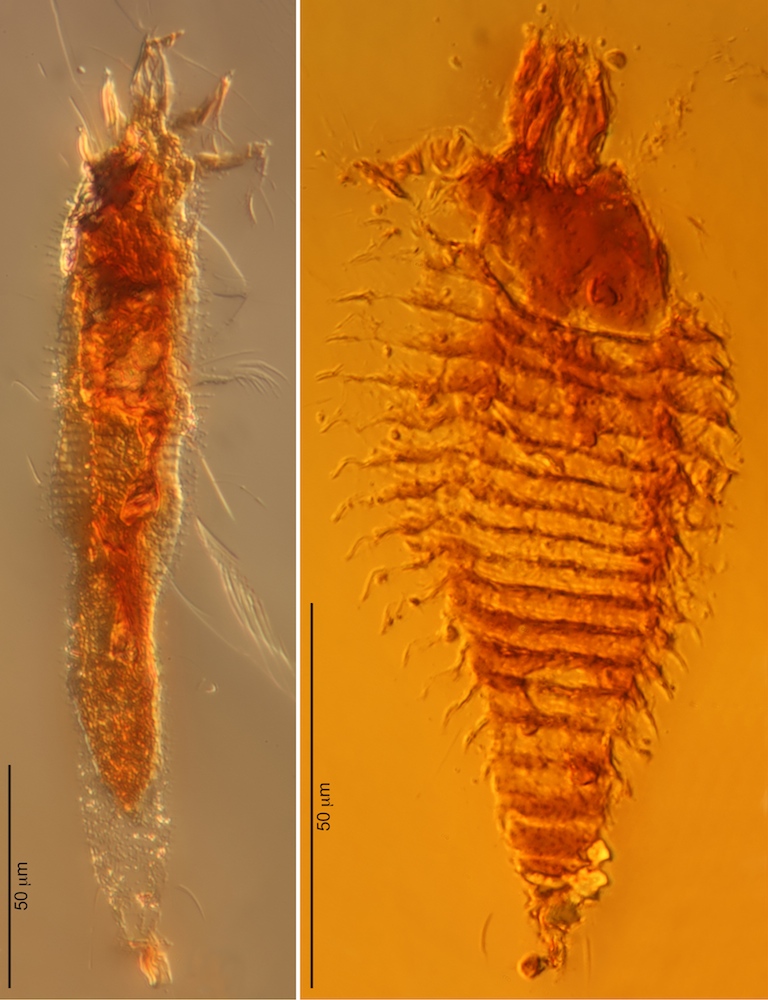
Two of the ancient arthropod specimens are members of the mite lineage Eriophyoidea, which includes the gall mites. The other one is a midge (Diptera).
Most eriophyoid species are extremely host specific, typically confined to a species or genus of host plants.
“There is evidence that the tiny amber droplets from the Heiligkreuz Formation were formed on the leaf surfaces of the source cheirolepidiaceous tree, so it is likely that the fossilized mites were either sheath dwellers or surface vagrants feeding on the foliage,” wrote the authors in their study.
The team is keen to find more specimens now that such ancient insects have been discovered preserved in the amber.
“There was a huge change in the flora and fauna in the Triassic because it was right after one of the most profound mass extinctions in history, at the end of the Permian,” Grimaldi concluded.
The findings were published in Proceedings of the National Academy of Sciences on Aug. 27.
The Epoch Times publishes in 35 countries and in 19 languages. Subscribe to our e-newsletter.
 Friends Read Free
Copy
Facebook
Tweet
Friends Read Free
Copy
Facebook
Tweet