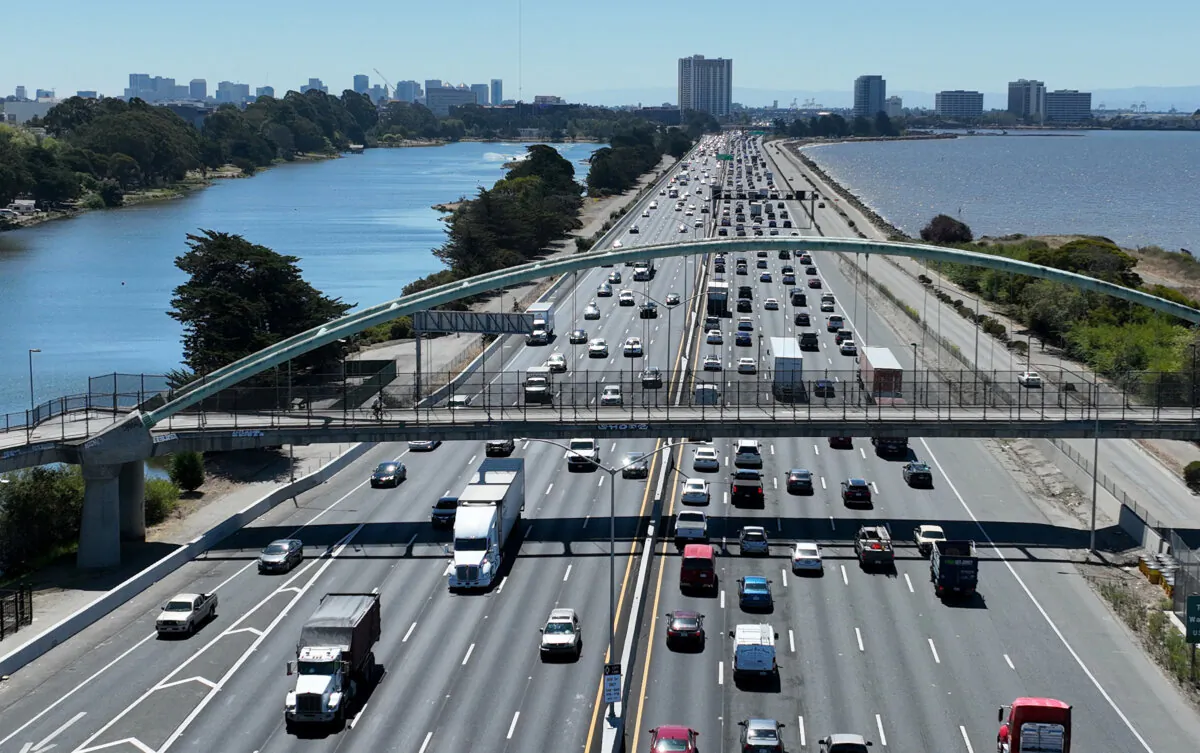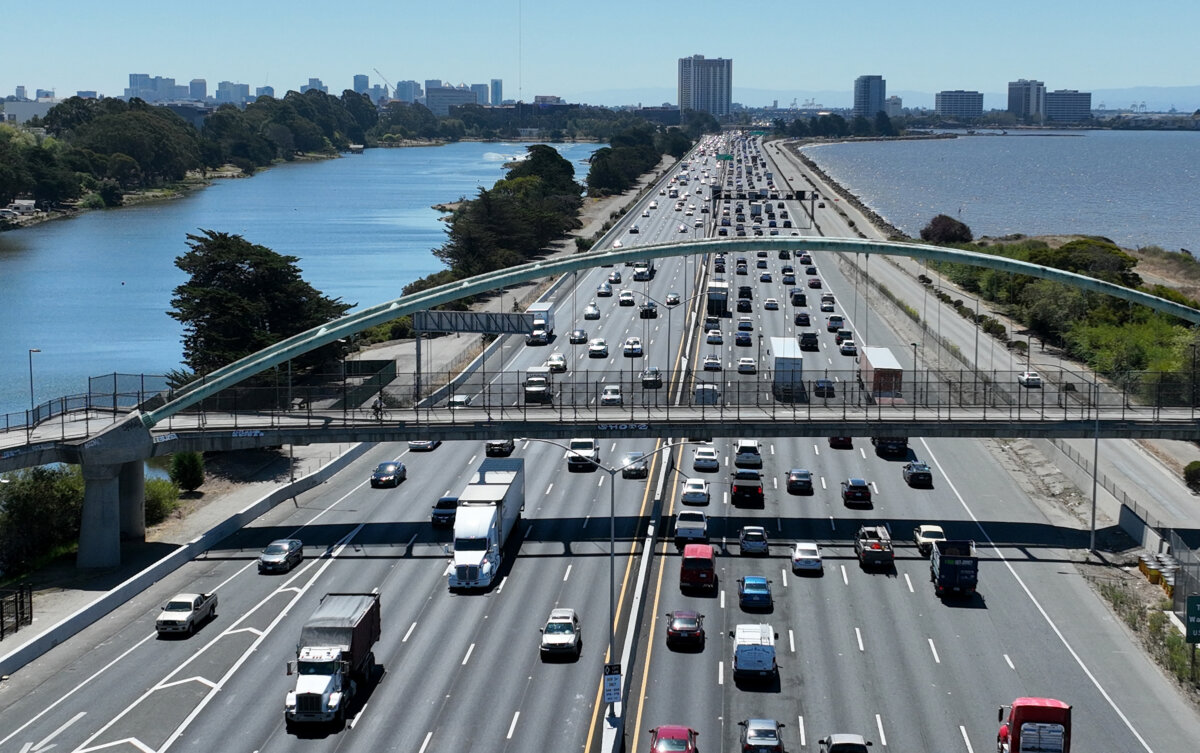

The Biden administration finalized new vehicle fuel economy standards on June 7 that it says will save Americans $23 billion in fuel costs and reduce pollution.
The National Highway Traffic Safety Administration (NHTSA) said that it will increase fuel economy by 2 percent per year for model years 2027–2031 for passenger cars, while light trucks will see a 2 percent annual increase for model years 2029–2031.
The NHTSA stated that the average fuel economy for light-duty vehicles will increase to around 50.4 mpg by model year 2031, down from the 55.7 mpg initially proposed last year.
“Not only will these new standards save Americans money at the pump every time they fill up, they will also decrease harmful pollution and make America less reliant on foreign oil,” Transportation Secretary Pete Buttigieg said in a statement.
“These standards will save car owners more than $600 in gasoline costs over the lifetime of their vehicle,” he added.
The new standards also raise fuel economy for heavy-duty pickup trucks and vans by 10 percent per year for model years 2030–2032 and 8 percent for model years 2033–2035, resulting in a fleetwide average of 35 mpg by model year 2035.
The NHTSA estimates that the new standards will save nearly 70 billion gallons of gasoline and prevent more than 710 million metric tons of carbon dioxide emissions by 2050.
The agency also claimed to have worked closely with the Environment Protection Agency (EPA) “to optimize the effectiveness of its standards” while reducing compliance costs.
“These new fuel economy standards will save our nation billions of dollars, help reduce our dependence on fossil fuels, and make our air cleaner for everyone. Americans will enjoy the benefits of this rule for decades to come,” NHTSA Deputy Administrator Sophie Shulman said.
John Bozzella, president and CEO of the Alliance for Automotive Innovation, a trade group that represents car and light truck manufacturers, said they were concerned about the Corporate Average Fuel Economy (CAFE) rule proposed last year.
“Should an automaker be considered in violation of CAFE rules (and subject to billions of dollars in civil penalties) if it complies with the standards established by EPA’s new greenhouse gas rules? No, they shouldn’t,” he said in a statement.
“Those fines wouldn’t have produced any environmental benefits or additional fuel economy and would’ve foolishly diverted automaker capital away from the massive investments required by the electric vehicle transition.
“It looks like the left hand knew what the right hand was doing. That’s the kind of coordination we recommended. So that’s good and appreciated,” Mr. Bozzella added.
He noted that the Biden administration “appears to have landed on a CAFE rule that works with the other recent federal tailpipe rules.”
“At some point, we’ll need to talk about whether there’s really a need for CAFE in a world rapidly moving toward electrification,” he said.
 Friends Read Free
Copy
Facebook
Tweet
Friends Read Free
Copy
Facebook
Tweet