
European governments are moving to shield households and businesses from rising energy costs after oil and gas prices surged following the outbreak of war in the Middle East.
Brent crude briefly approached $120 a barrel earlier this week before easing to just above $90 by March 11, according to financial services company Hargreaves Lansdown.
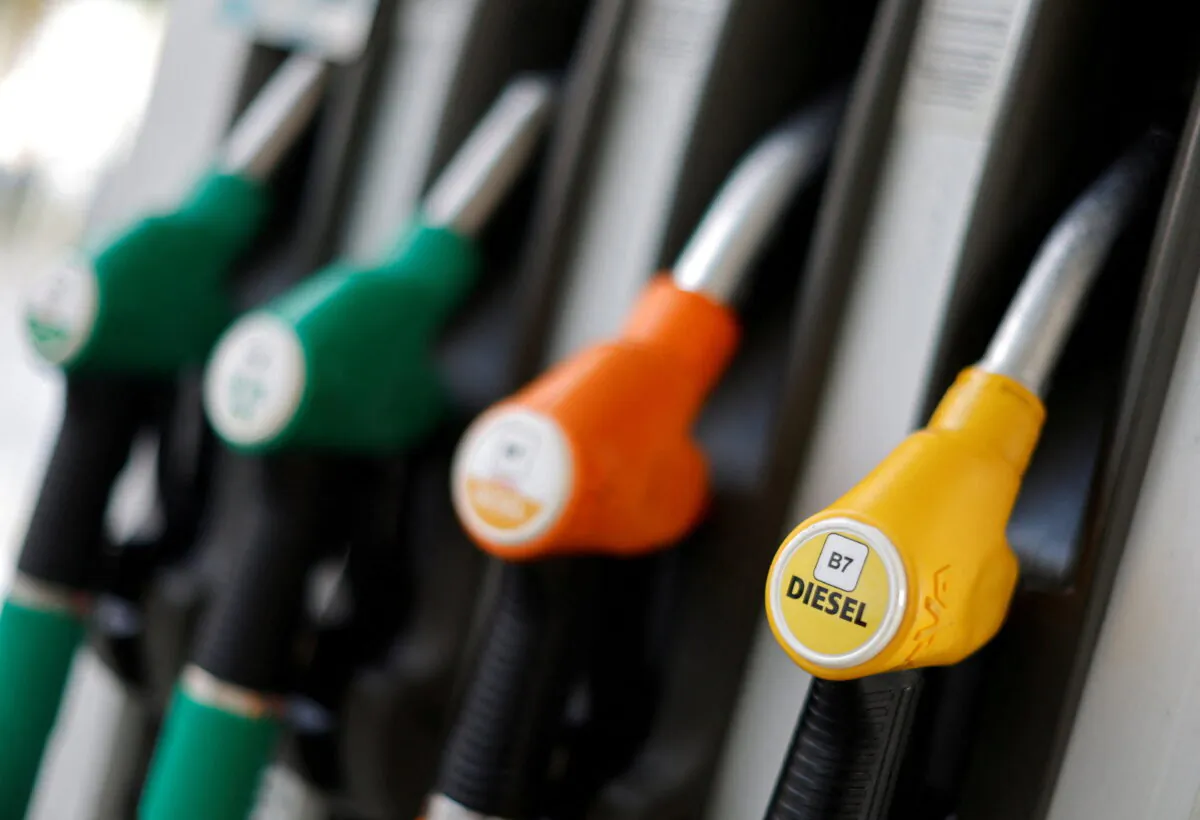
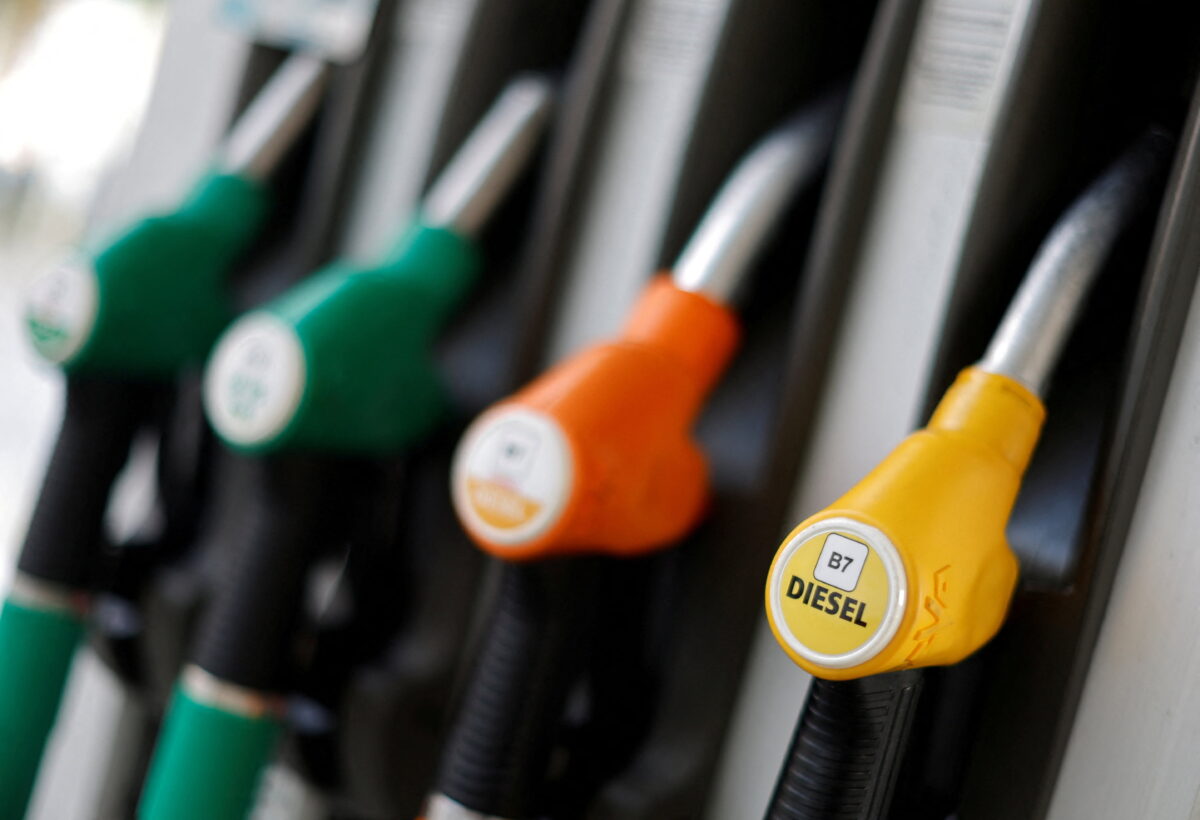
France has ordered emergency checks at gas stations to prevent profiteering during a rush for fuel.
French Prime Minister Sébastien Lecornu said in a March 8 post on X that the conflict “cannot be used as a pretext for unfair increases in fuel prices,” and announced that 500 inspections would be conducted by France’s consumer watchdog, the Directorate-General for Competition Policy, Consumer Affairs, and Fraud Control, between March 9 and March 11.
“This is equivalent to six months of the usual inspection schedule, but it will be completed in just three days,” Lecornu said.
Italian Prime Minister Giorgia Meloni said authorities were prepared to act against companies engaging in speculative pricing, including through potential tax increases.
Speaking on Rete 4’s Fuori dal coro show on March 8, she said preventing speculation was a priority and that monitoring systems were already in place.
She added that Italy could activate “mobile excise duties,” allowing extra VAT revenue from higher prices to be used to lower fuel taxes and stabilize costs.
Spain is also preparing assistance for consumers and industry. Spanish Economy Minister Carlos Cuerpo told reporters on arrival at a Eurogroup meeting in Brussels on March 9 that fuel prices had already surged and warned that the impact was spreading beyond energy markets into everyday costs. Diesel is particularly critical for transport, agriculture, and fishing, he said.
Brussels Pushes Clean Energy
At the European Union level, the European Commission unveiled a package on March 11 aimed at boosting domestic clean energy to reduce reliance on imported fuels and lower bills over time.
The plan includes mobilizing more than 75 billion euros (about $86.8 billion) in financing over the next 3 years through the European Investment Bank Group for grids, efficiency, and new technologies, as well as consumer measures such as easier supplier switching and lower levies on electricity bills.
It also supports the development of small modular reactors, with possible EU funding through 2028.
EU Commission President Ursula von der Leyen said in a March 11 post on X that Europe’s “first responsibility is to protect our citizens and prepare for the impacts of the conflict in the Middle East.”
Policy Pressure
European Commissioner for Energy and Housing Dan Jorgensen said on March 10 that any support should be temporary, stressing that Europe did not face an immediate shortage.
“We do not have a security of supply issue as it is,” he said after discussions with G7 energy ministers, adding that measures must be “temporary and targeted” while the bloc’s long-term strategy remained unchanged.
Some policymakers are also questioning the EU’s carbon pricing system.
Italian industry minister Adolfo Urso said on March 9 that suspending the EU Emissions Trading System (ETS) could be an “emergency response” if reforms cannot be agreed on quickly.
Scrapping the ETS could cut power prices by 25 euros to 30 euros (about $29 to $35) per megawatt-hour, Urso said, citing industry estimates.
Launched in 2005, the ETS requires major polluters to pay for their emissions and covers sectors responsible for roughly 40 percent of EU greenhouse gas emissions.
Outside the euro zone, the UK warned of economic fallout. British Chancellor of the Exchequer Rachel Reeves told the UK Treasury Committee on March 11 that disrupted trade resulting from the crisis was “certainly not good for the British economy.”
She said that London is “willing to play its part” in using strategic oil reserves to “put downward pressure on oil prices and ensure that supply remains strong.”
“We’re working closely with both our allies in the Gulf and in the G7 and also with the insurance industry to ensure that as quickly as possible we can get those movements going again,” Reeves said.
 Friends Read Free
Copy
Facebook
Tweet
Friends Read Free
Copy
Facebook
Tweet