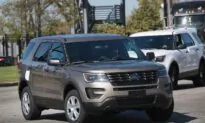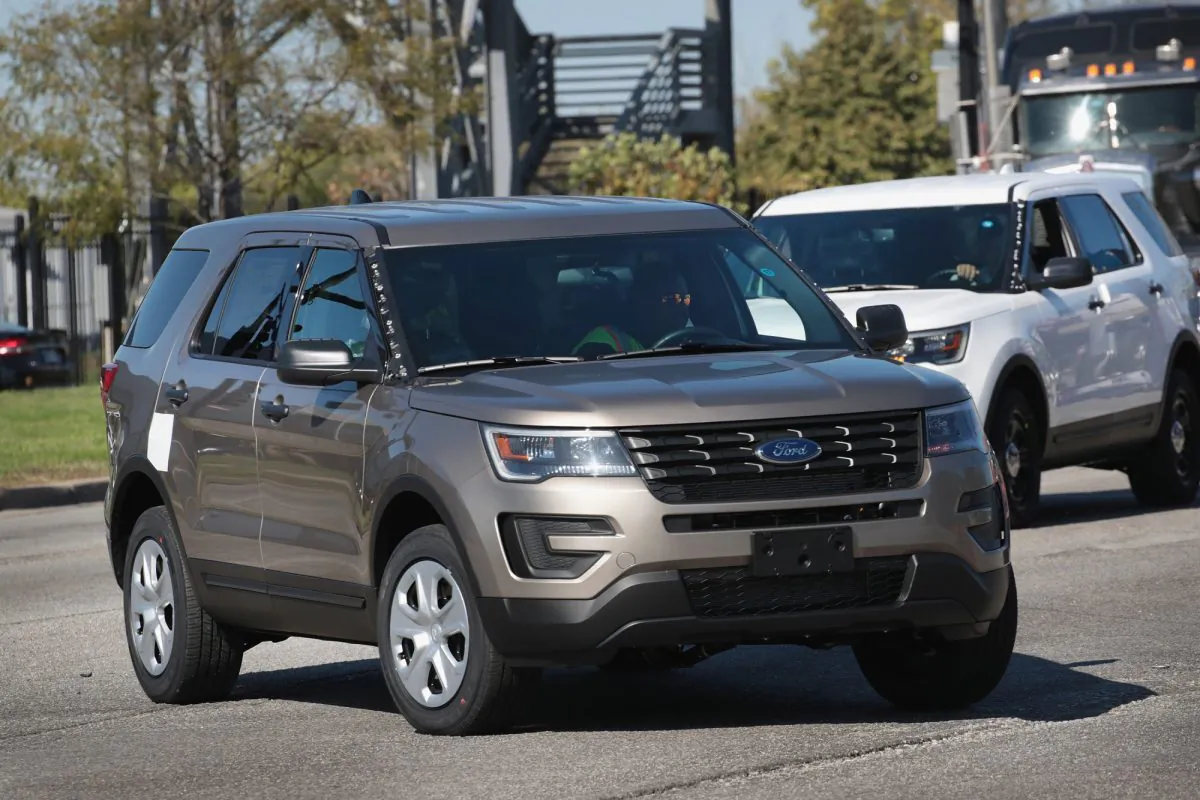

Ford Motor Company on Oct. 22 announced a safety recall of more than 1.44 million vehicles due to potential issues with the automobiles’ rearview camera systems.
The recall for a wide range of vehicles manufactured between 2015 and 2019 involves problems with the analog camera system incorrectly displaying images from the rear of the automobiles on the center video display.
Drivers may see inverted or distorted images or none at all when the vehicles are shifted into reverse, the National Highway Transportation Safety Administration (NHTSA) said in its recall announcement.
This is the second major recall this month stemming from problems with rearview camera systems. Toyota Motor Engineering & Manufacturing North America on Oct. 7 recalled nearly 400,000 Tundra trucks and sport utility vehicles due to the same issue.
In September, Ford announced an expanded worldwide recall of 1.45 million vehicles because of the same problem, following its May announcement of a recall for more than 1.1 million Ford and Lincoln vehicles for defective rear-camera systems.
Vehicles covered in the current recall include C-Max, Flex, Explorer, Lincoln, Escape, Fiesta, Taurus, Fusion, and Mustang vehicles manufactured between 2015 and 2020, according to the NHTSA announcement.
Customers whose vehicles are part of the recall can have their automobiles inspected and the rearview camera replaced at no cost, Kumar Galhotra, Ford’s chief operating officer, said.
Ford also announced a 15-year limited rearview camera warranty on 28 different models of Ford and Lincoln vehicles that aren’t part of the recall as part of new long-term safety standards enacted across all its product lines.
Over the past two years, Ford has doubled its safety team, Galhotra said in a statement on the company’s website.
“We’ve also dramatically increased ‘testing to failure’ protocols on critical systems,” he said.
“The invaluable insights gained from this rigorous testing are being rapidly integrated into our production models. We’re also seeing progress in our newest vehicles. Our 2025 initial quality is on track to become among our best ever.
“By applying these new, stringent standards, we are proactively identifying and addressing issues even in earlier model years, often before they are reported by customers.”
Austin, Texas-based electric vehicle manufacturer Tesla on Oct. 22 also announced the recall of nearly 13,000 Model 3 and Model Y vehicles due to battery issues.
Battery packs in about 8,000 Model Ys and more than 5,000 Model 3s manufactured between March and August of 2025 could fail because of a faulty connection and cause the vehicles to lose power, the NHTSA said in its recall notice.
Tesla said in a statement that it’s not aware of any collisions reported due to the problem.
On Oct. 9, the NHTSA announced an investigation into a string of accidents caused while drivers were using Tesla’s fully automated self-driving system.
 Friends Read Free
Copy
Facebook
Tweet
Friends Read Free
Copy
Facebook
Tweet