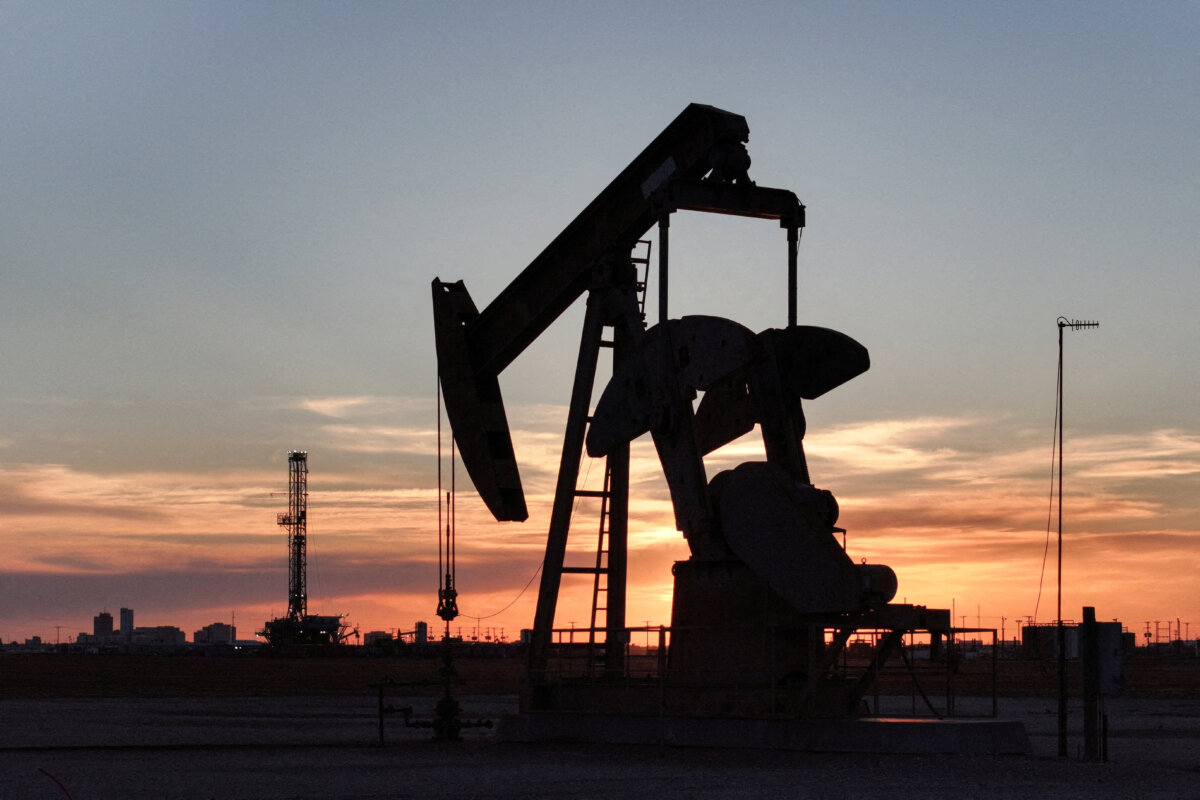

Oil prices fell to their lowest levels in more than three months on June 16 as traders weighed the prospects of renewed energy flows through the Strait of Hormuz against ongoing diplomatic efforts to end the Iran war.
Brent crude futures were down $3.20, or 3.85 percent, at $79.97 a barrel at 8:53 a.m. ET. They earlier touched $79.61, the lowest since March 3 and the first time they have fallen below $80 since then.
U.S. West Texas Intermediate was down $3.52, or 4.36 percent, at $77.23 a barrel. WTI’s intra-day nadir of $76.88 was the lowest since March 10. Before the war started on February 28, Brent and WTI futures were trading between about $65 and $70 per barrel.
Oil prices sank nearly 5 percent on June 15 after U.S. President Donald Trump announced that a memorandum of understanding had been signed to end the conflict and begin reopening the Strait of Hormuz, a vital route for global energy shipments.
Iranian Foreign Minister Abbas Araghchi said on June 16 that Iran and the United States would meet in Switzerland on June 19 to reach a final agreement.
Strait Reopening
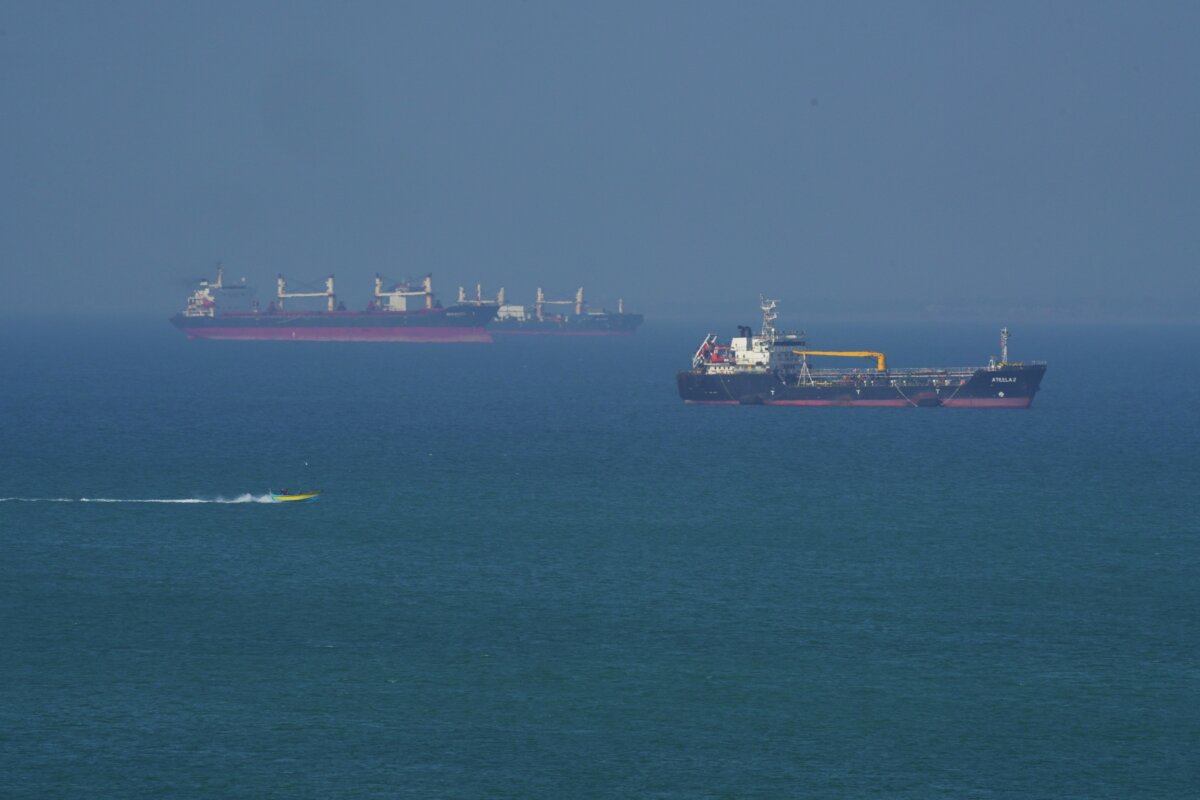
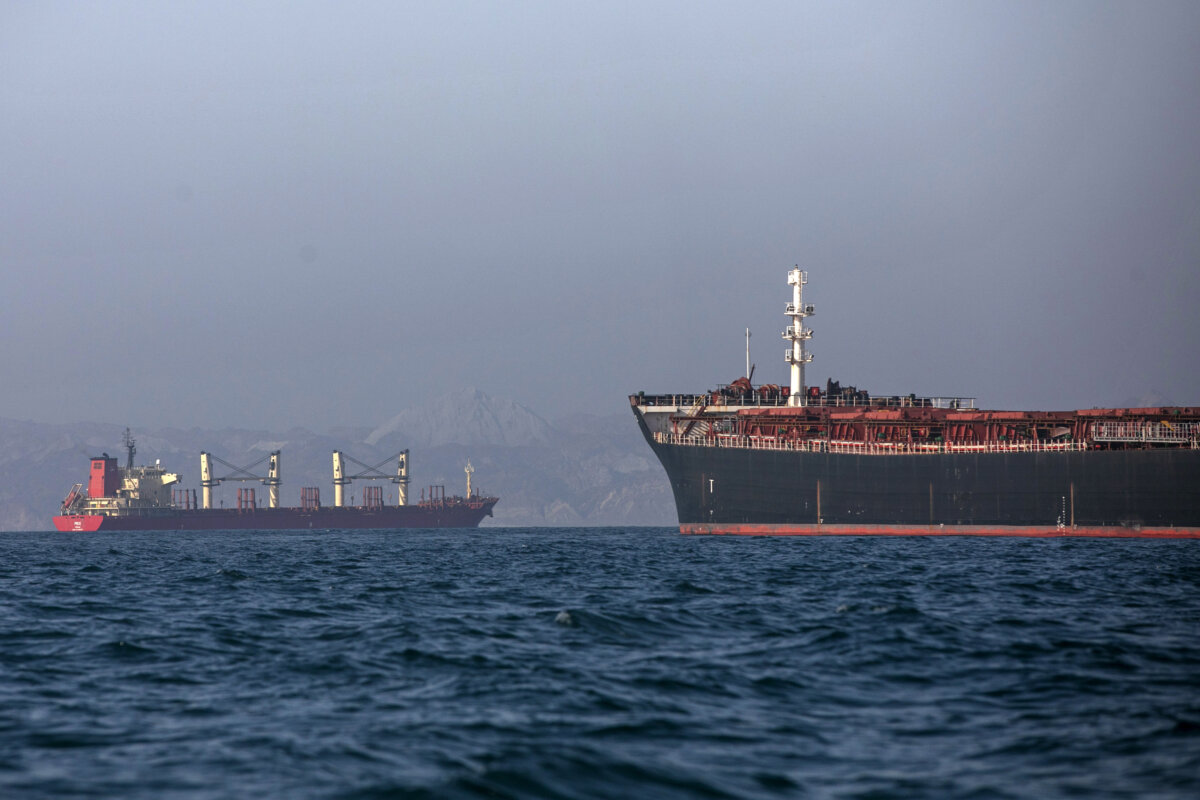
The Strait of Hormuz carries roughly one-fifth of the world’s oil supplies and serves as one of the most important shipping routes for crude oil and liquefied natural gas.
The conflict disrupted traffic through the waterway and contributed to a sharp reduction in Middle Eastern oil exports. Analysts said expectations of a reopening are helping drive oil prices lower.
Goldman Sachs lowered its forecast for fourth-quarter Brent crude to $80 a barrel from $90 and reduced its 2027 average estimate to $75 from $80. The bank said it now expects Gulf energy exports to return to prewar levels by the end of July rather than late August.
Bundesbank President Joachim Nagel said during a June 15 speech at the Frankfurt Euro Finance Summit that the closure of the Strait of Hormuz had disrupted a critical artery of global energy trade and contributed to higher inflation across Europe.
Nagel warned that even if the waterway reopens soon, it could take months for energy supplies to return to normal.
Recovery May Be Slow
Analysts at S&P Global Commodity Insights said in a June 15 report that Middle Eastern oil production and exports are unlikely to recover immediately even if the peace agreement holds.
OPEC data cited by S&P Global showed that combined crude production in Saudi Arabia, the United Arab Emirates, Iraq, Kuwait, and Iran fell to 13.4 million barrels per day in May from 23.5 million barrels per day in February.

Michael Field, Morningstar’s chief European markets strategist, said investors remain cautious because many details of the agreement have yet to be released.
“Oil stocks are getting hit this morning, but after such a strong run investors have already banked strong gains here,” Field wrote in a June 15 market analysis.
He said investors have become wary of reacting too strongly to major announcements before details emerge.
“It’s likely markets will rise today, but with equities already close to all-time highs I wouldn’t expect a massive continued rally.”
Robin Brooks, a senior fellow at the Brookings Institution and former chief foreign exchange strategist at Goldman Sachs, said that the U.S. naval blockade of Iran played a significant role in bringing Tehran to the negotiating table.
“The US blockade of Iran worked,” Brooks wrote in a June 16 analysis.
Brooks said the Iranian rial weakened sharply after the blockade began in April, then recovered as expectations of a peace agreement increased. He said the currency’s movements suggested capital flight from Iran during the conflict.
“The bottom line is that global oil markets are a lot more resilient than $200 forecasts implicitly assumed,” Brooks wrote. “That’s good news for Western policy makers, especially those in Europe.”
Attention is now turning to OPEC+, whose members are scheduled to meet on July 5 to discuss production quotas for August.
Before the conflict, the group had been gradually increasing output. OPEC said on June 7 that seven participating countries had agreed to raise production by 188,000 barrels per day in July as part of a broader effort to support market stability.
The group said member countries would continue to monitor market conditions closely and adjust policy as needed.
Reuters contributed to this report.
 Friends Read Free
Copy
Facebook
Tweet
Friends Read Free
Copy
Facebook
Tweet