
Oil prices fell, and global stocks rallied on June 15 after the United States and Iran agreed to end the conflict and reopen a key shipping route for energy supplies.
The agreement, announced on June 14, includes the reopening of the Strait of Hormuz. President Donald Trump also said he had authorized the lifting of the U.S. naval blockade of Iranian ports as part of the deal.
Pakistani Prime Minister Shehbaz Sharif said both sides had agreed to the “immediate and permanent termination of military operations on all fronts, including in Lebanon.” A formal signing ceremony is scheduled for June 19 in Switzerland.
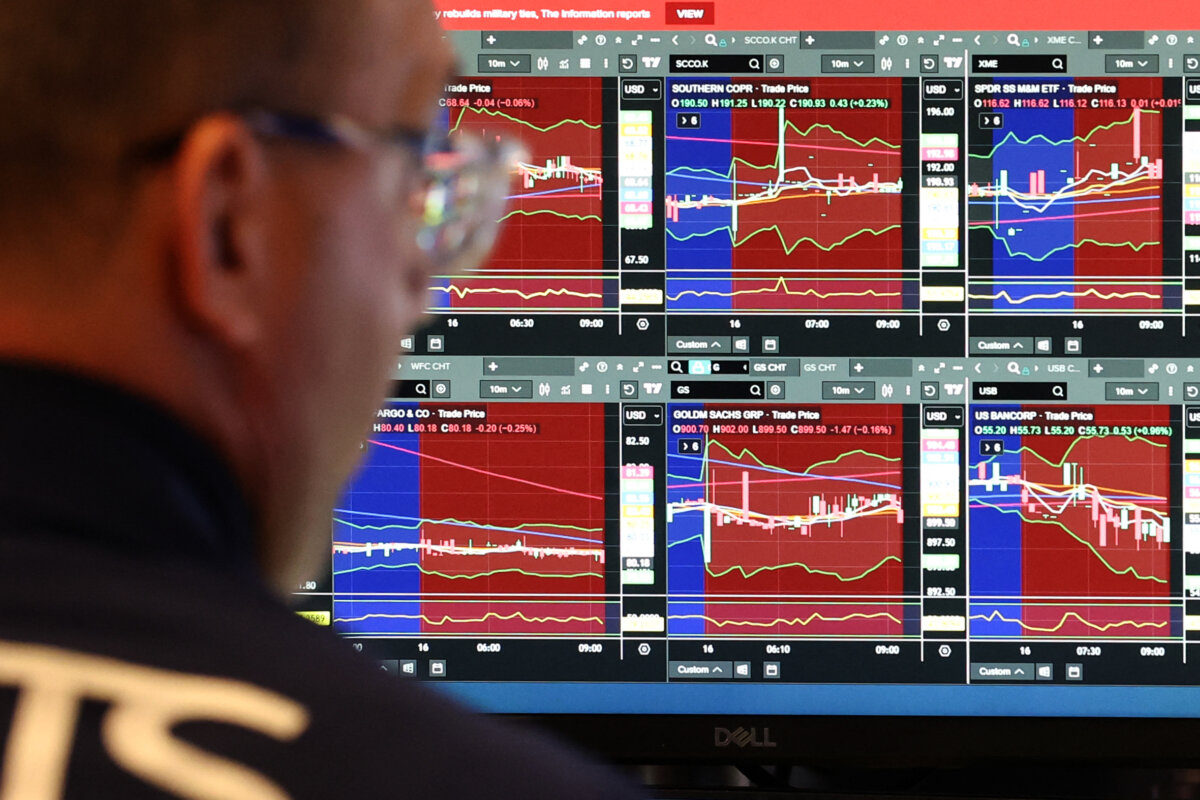
Financial markets reacted swiftly to the prospect of renewed energy flows from the Gulf.
Oil prices fell sharply, while stock markets in Asia, Europe, and the United States advanced as investors bet that the risk of a prolonged energy shock had diminished.
Oil Prices Retreat
Brent crude, the international oil benchmark, fell $4.28 to $83.05 a barrel on June 15. U.S. benchmark West Texas Intermediate crude dropped $4.55 to $80.33 a barrel.
The declines brought oil prices to their lowest levels since the opening days of the conflict, which began in late February.
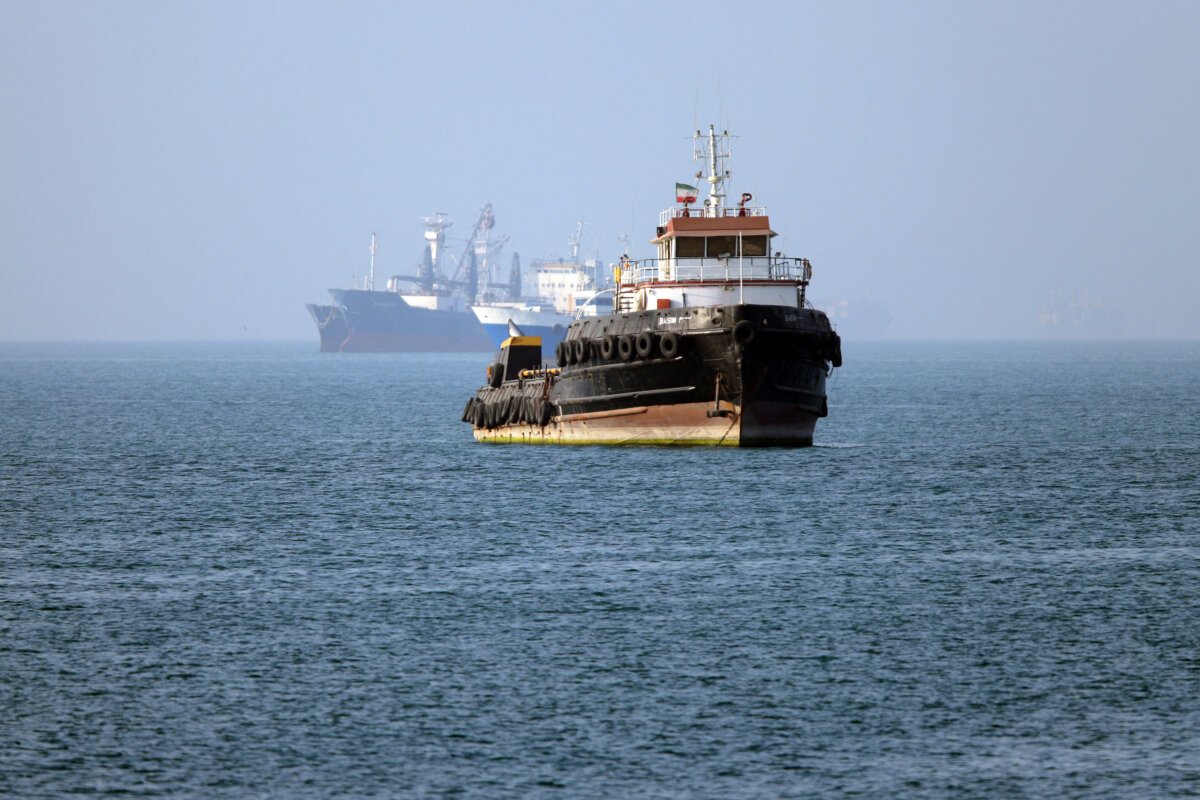
The Strait of Hormuz connects the Persian Gulf to global markets and serves as a critical route for oil and liquefied natural gas exports. Iran disrupted shipping through the waterway during the conflict following U.S. and Israeli strikes on Iranian nuclear and military facilities.
Neil Shearing, group chief economist at Capital Economics, said the key issue for the global economy is whether the agreement succeeds in restoring normal energy flows through the strait.
“Prior to the conflict, around 25 percent of global seaborne oil supply and one-fifth of seaborne natural gas passed through the Strait,” Shearing wrote in a June 15 analysis.
Shearing said some shipments had been rerouted during the conflict, but higher energy prices were already feeding into inflation and slowing economic activity. He said Capital Economics expects roughly 80 percent of energy flows through the strait to resume by the end of the third quarter.
Full recovery could take longer, he said, because ships, refineries, and production facilities will need time to return to normal operations.
Energy Shares Fall, Global Stocks Rally
Energy companies were among the weakest performers in stock markets on June 15 as investors adjusted to the prospect of lower oil prices.
Shares of Exxon Mobil fell 2.6 percent, while Chevron declined 2.5 percent.
Diamondback Energy, Devon Energy, ConocoPhillips, and Occidental Petroleum each fell between 2.6 percent and 3.2 percent.
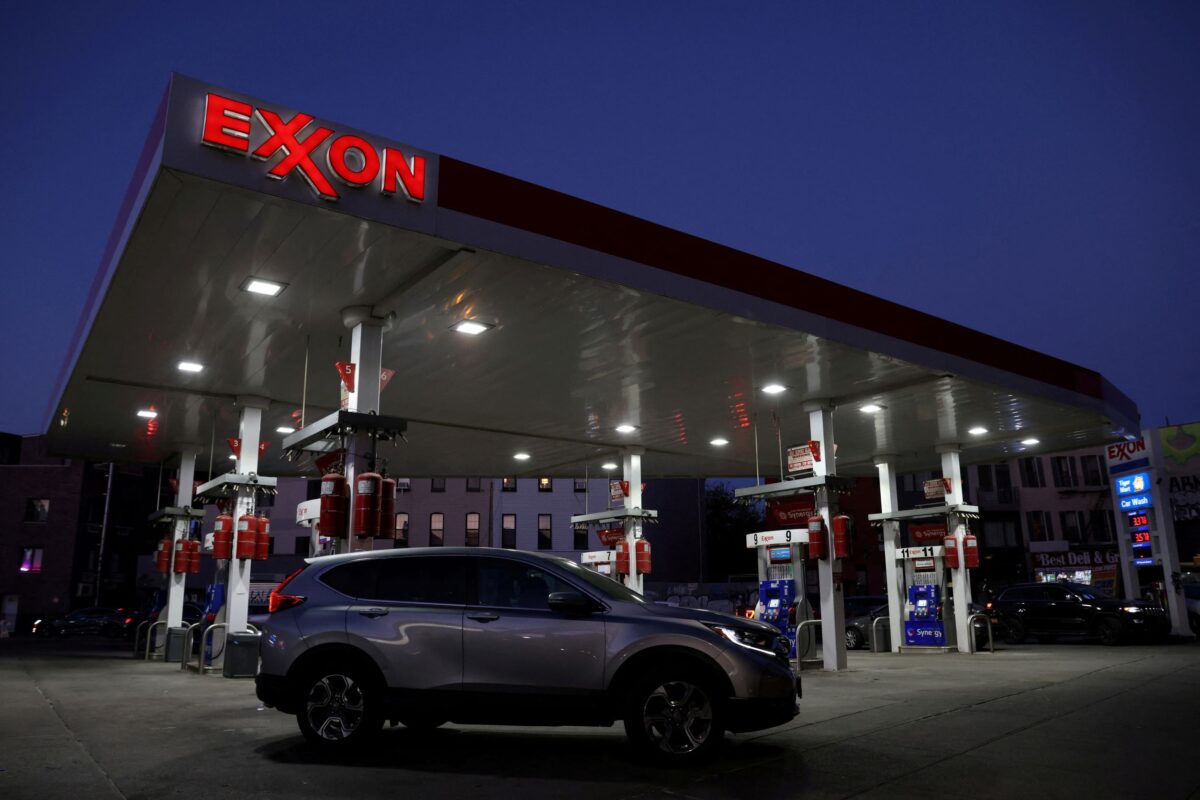
Refining companies also lost ground. Valero Energy, Marathon Petroleum, and Phillips 66 declined between 2.5 percent and 3 percent. In Europe, BP shares fell 3.4 percent, and Shell dropped 4.3 percent.
Broader markets moved higher as investors interpreted the agreement as reducing the likelihood of a prolonged disruption to global trade and energy supplies.
Before trading opened in New York, futures for the S&P 500 rose 1.3 percent. Dow Jones Industrial Average futures gained 0.9 percent, while Nasdaq futures climbed 1.3 percent.
In Europe, Germany’s DAX index rose 1.3 percent, and France’s CAC 40 gained 1.2 percent. The UK’s FTSE 100 was little changed.
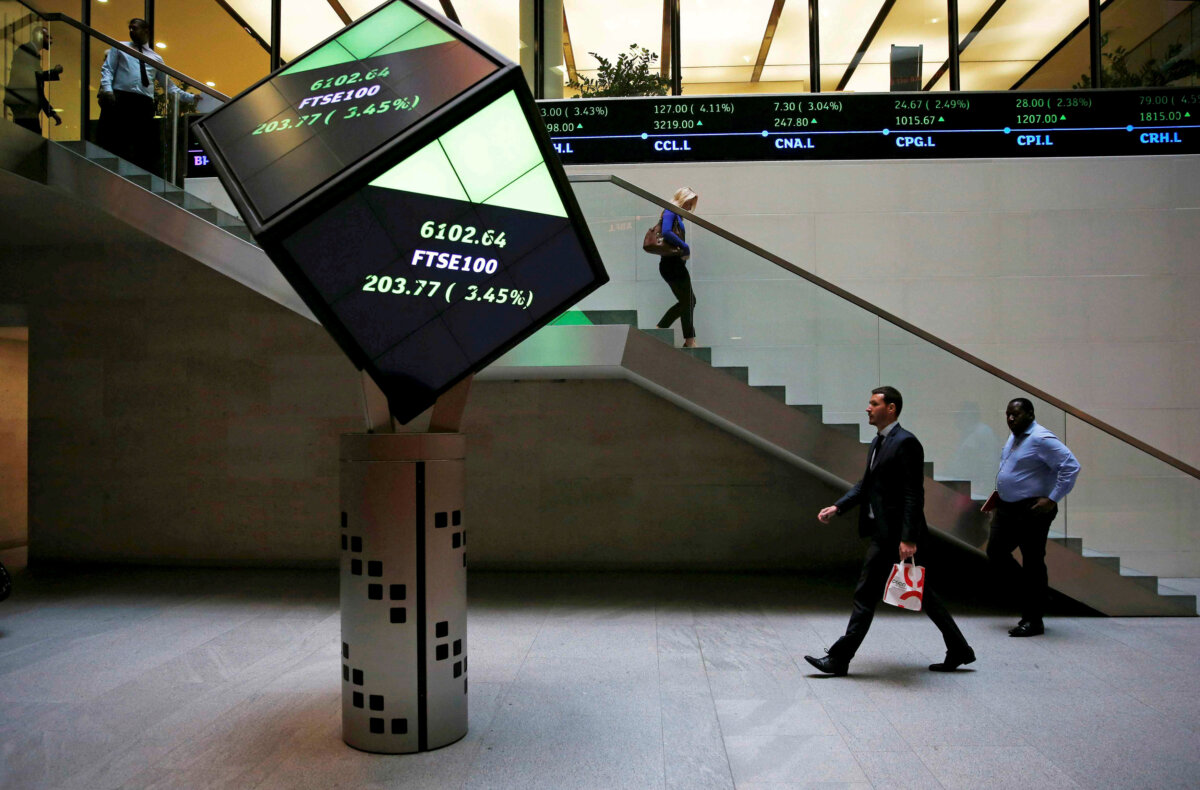
Asian markets posted stronger gains. Japan’s Nikkei 225 jumped 5 percent to a record high of 69,317.50, while South Korea’s Kospi surged 5.2 percent. Hong Kong’s Hang Seng Index rose 0.5 percent, and China’s Shanghai Composite advanced 1.6 percent.
Australia’s S&P/ASX 200 gained 1.3 percent, Taiwan’s Taiex rose 2.8 percent, and India’s Sensex added 1.2 percent.
Risks Remain
Despite the positive market reaction, economists cautioned that the outlook remains uncertain until energy shipments return closer to normal levels.
Shearing said commercial oil inventories in major economies have been drawn down heavily during the conflict. If supply disruptions continue, inventories could fall to critically low levels, pushing oil prices substantially higher.
“The risks of more adverse scenarios developing have diminished significantly, but they have not disappeared altogether,” he wrote.
Bundesbank president Joachim Nagel delivered a similar warning during a speech at the Frankfurt Euro Finance Summit on June 15. Nagel said the blockade of the Strait of Hormuz had largely cut off a vital route for global energy trade and contributed to higher inflation across the euro area.
Euro area inflation rose from just under 2 percent at the start of the year to a preliminary 3.2 percent in May, he said, driven largely by higher energy costs.
“There is reason for hope for peace,” Nagel added.
However, he warned that even if shipping resumes quickly, it could take months for oil supplies to return to normal because some production facilities have been damaged and energy reserves have been depleted.
The Associated Press and Reuters contributed to this report.
 Friends Read Free
Copy
Facebook
Tweet
Friends Read Free
Copy
Facebook
Tweet