
China and other authoritarian powers are aiming to defeat the West through attacks below the threshold of war, the head of the British military has said.
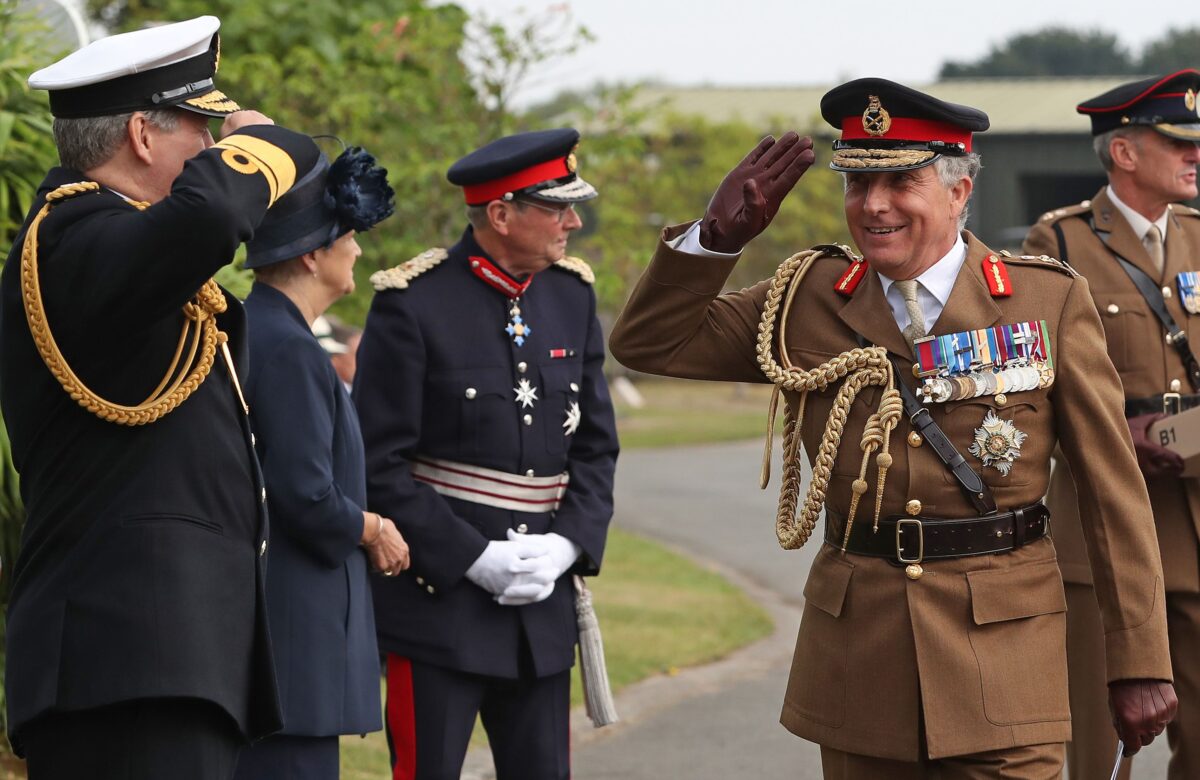
In a speech at the UK think tank Policy Exchange on Sept. 30, Gen. Sir Nick Carter, Britain’s chief of the defense staff, unveiled a new “Integrated Operating Concept” for the British Armed Forces as they respond to the “ever more complex and dynamic strategic context.”
“My view is that more of the same will not be enough,” Carter said. “We must fundamentally change our thinking if we are not to be overwhelmed.”
The Integrated Operating Concept is, according to the government, a significant shift in military thinking, and a response to the advancing technology and non-traditional tactics, such as disinformation campaigns, used by adversaries.
The Chinese regime, for example, has “harnessed technologies and tactics that have outpaced the evolution of international law to avoid their actions being classified as conflict under the current definitions of international law,” Carter said.
The People’s Liberation Army sees “the ambiguous boundary between peace and war” as providing opportunities “for the military to achieve its ends, disguising its activities as civilian, and therefore peaceful,” he noted.
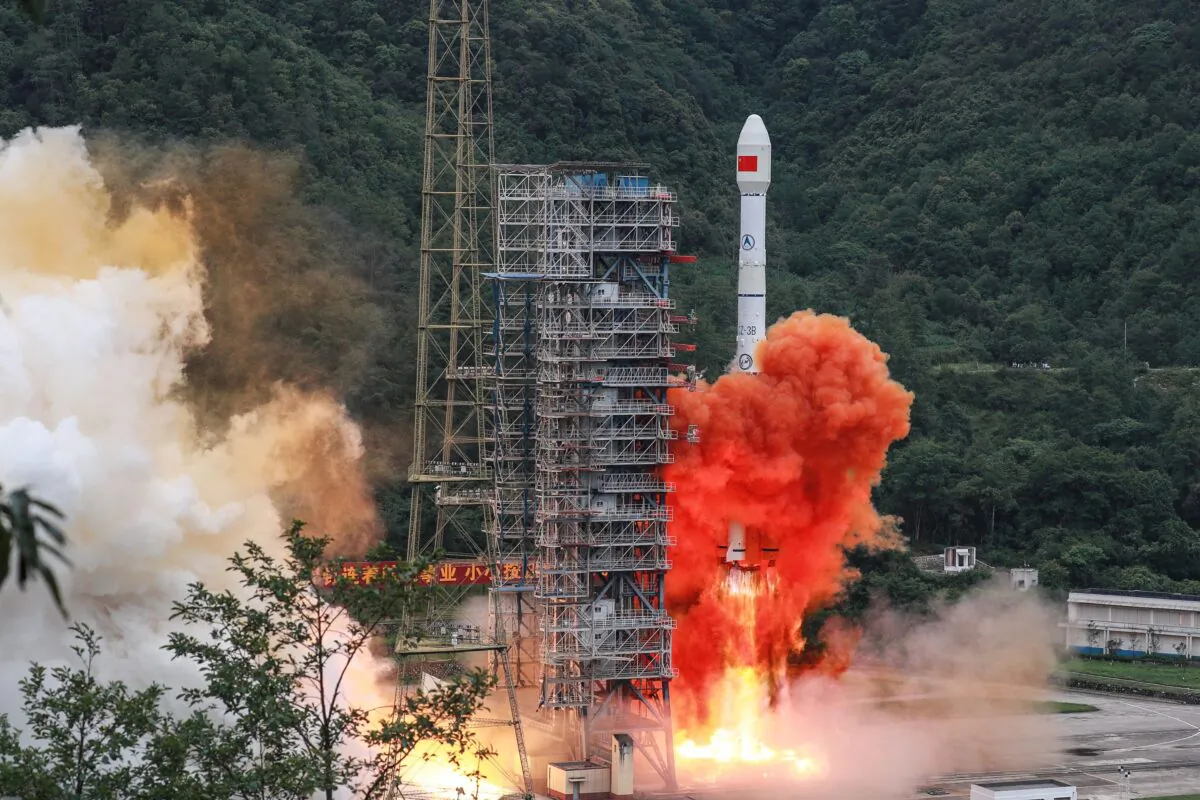
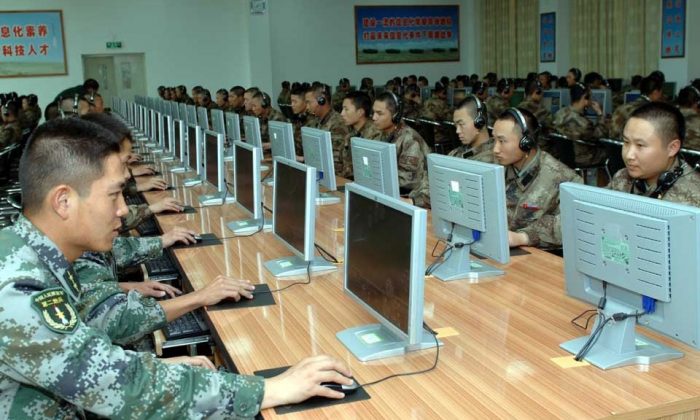
Carter highlighted the role of China’s new Strategic Support Force, which is designed to “achieve dominance in the space and cyber domains.”
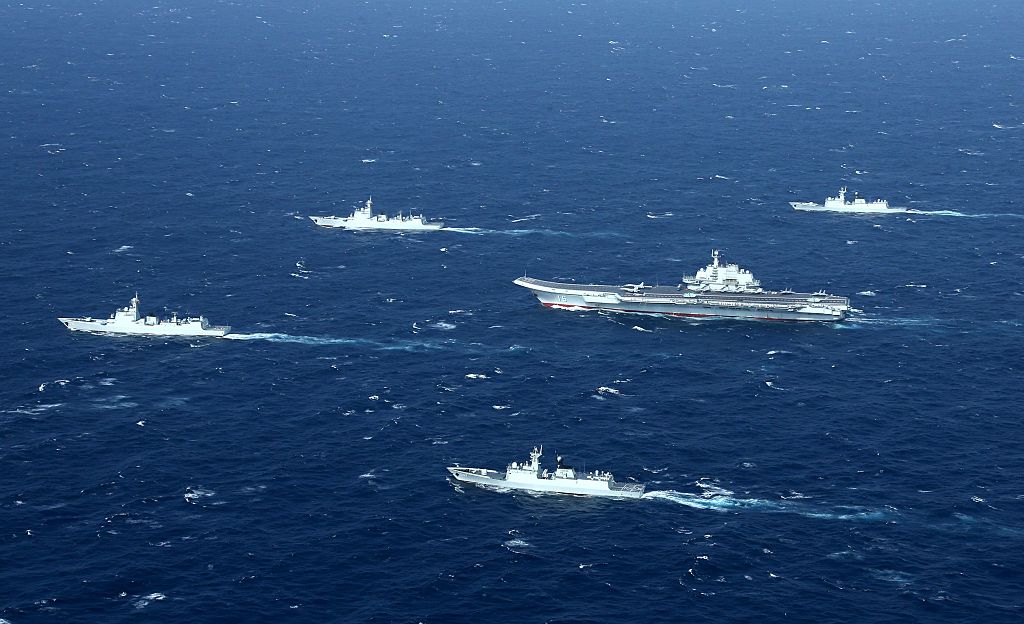
The force “commands satellite information attack and defense forces; electronic assault forces and Internet assault forces; campaign information operations forces, which include conventional electronic warfare forces, anti-radiation assault forces, and battlefield cyber warfare forces.”
He also raised concerns over China’s “digital authoritarianism,” which refers to the Chinese Communist Party’s mass surveillance of its population and its effort to export these tools to other parts of the world.
‘Below the Threshold of War’
Britain’s “authoritarian rivals,” such as China and Russia, cannot “afford to go to war as we define it,” and therefore “want to win below that threshold,” Carter said.
“These regimes believe that they are already engaged in an intense form of conflict that is predominantly political rather than kinetic,” he said. “Their strategy of ‘political warfare’ is designed to undermine cohesion, to erode economic, political and social resilience, and to compete for strategic advantage in key regions of the world.”
“Their goal is to win without going to war: to achieve their objectives by breaking our willpower, using attacks below the threshold that would prompt a war-fighting response,” he said.
“We are exposed through our openness,” he said, referring to how our own democratic systems can be used against us.
‘A More Persistent Presence’ in Asia
The UK government is conducting a comprehensive review of its foreign, security, and defense policy.
As part of the policy shift, the British Army will have a “more persistent presence” in Asia, Gen. Sir Mark Carleton-Smith, Britain’s chief of the general staff, said last Tuesday.
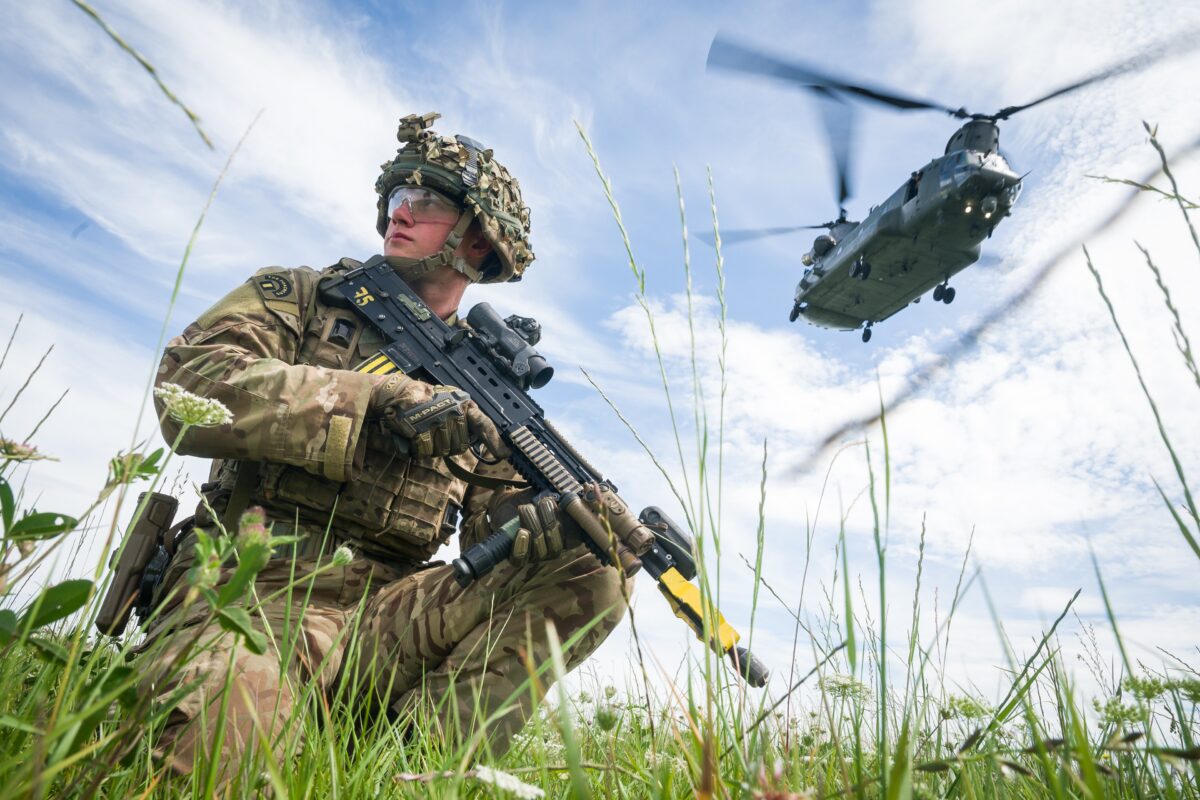
“It’s an area that saw a much more consistent Army presence in the 1980s but with 9/11 we naturally receded from it,” he said. “We think now might be the time to redress that imbalance.”
Having a more persistent army presence in the region will “change narratives, provide reassurance to allies and deterrence for adversaries,” Carleton-Smith said. “They will give the UK more strategic choice and influence.”
These recent remarks from senior British military leaders reflect a profound shift in the UK’s strategic perception of the Chinese regime.
Lt. Gen. Jim Hockenhull, Britain’s chief of defense intelligence, told British media last month that China “poses the greatest threat to world order, seeking to impose Chinese standards and norms and using its economic power to influence and subvert, backed up by massive investment in modernizing its armed forces.”
 Friends Read Free
Copy
Facebook
Tweet
Friends Read Free
Copy
Facebook
Tweet