As President Donald Trump reorganizes U.S. trade relations with China and calls for the United States to reassert influence over the Panama Canal, Beijing has taken aim at a major Hong Kong business tycoon involved in a key infrastructure deal.
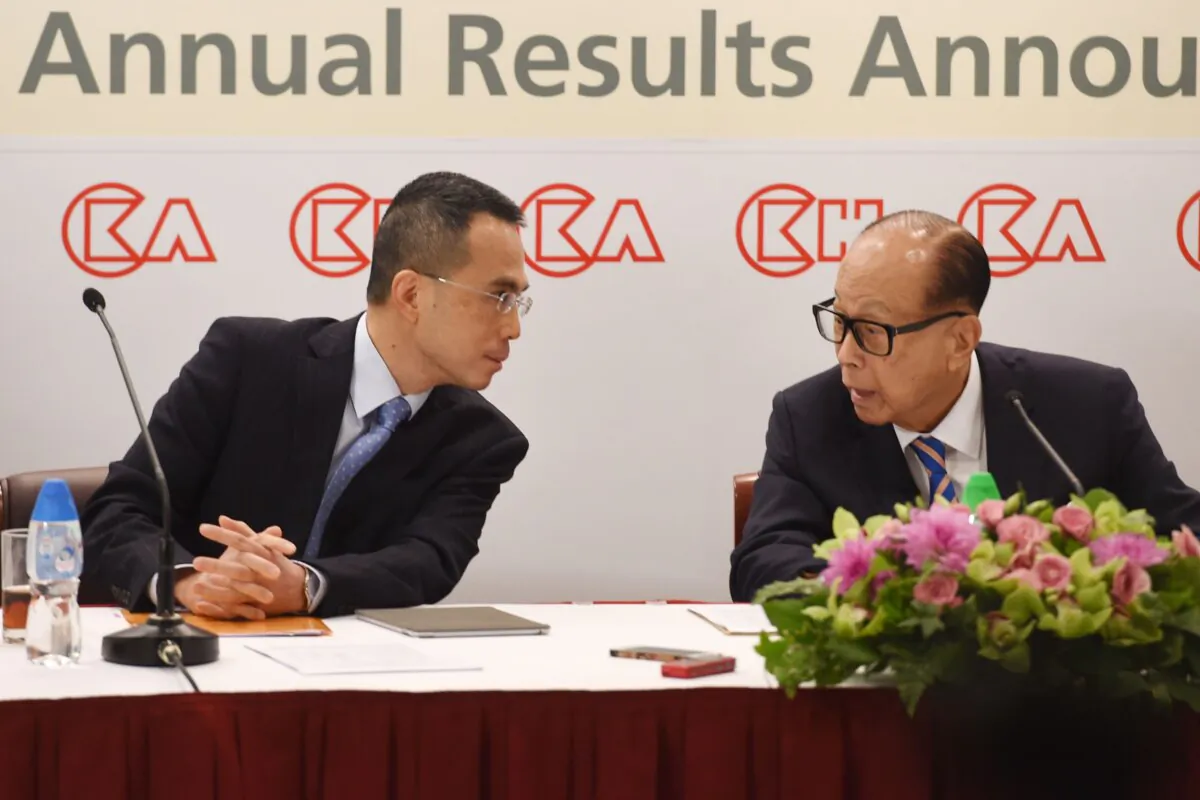
Victor Li, chairman of CK Hutchison Holdings and son of billionaire Li Ka-shing, was quietly removed from the Hong Kong government’s top advisory board after his company announced in March the sale of two key port operations near the Panama Canal to a U.S.-led consortium.
The move sparked swift disapproval from Beijing, coming just as Trump renewed calls for the United States to reclaim strategic influence over the canal and curtail China’s reach in the region.
On June 27, the Hong Kong government announced the second-term membership list of the Chief Executive’s Council of Advisers. Of the 34 members, three were new additions, replacing Li and two other retired or deceased members. Li was the only current company executive who was removed.
The government did not provide an explanation for Li’s removal. In response to local newspaper Ming Pao’s inquiries, the Chief Executive’s Policy Unit stated only that it regularly reviews and updates the advisory group to “include experts and leaders from various fields, based on current social issues and development needs.”
CK Hutchison has not issued a response.
Tensions With Beijing
Li was among the original members appointed in 2023 when the advisory body was established. At the time, he said he was honored to serve and pledged to use CK Hutchison’s international business experience with more than 50 countries to contribute to Hong Kong’s strategic development.
Hong Kong’s chief executive candidates have to be approved by Beijing and are voted on by an Election Committee dominated by pro-Beijing electors. The Council of Advisers is composed of pro-Beijing business leaders who advise the government on the strategic development of the city and is a symbol of political alignment. Li’s past membership can be viewed as an indicator of his political leanings.
However, tensions with Beijing appear to have grown since CK Hutchison announced the sale of its port assets. Between March 13 and March 19, pro-Beijing local newspaper Ta Kung Pao published more than 10 editorials and commentaries criticizing Li, accusing him of “neglecting national interests” and urging all businessmen to align with the Chinese Communist Party on key issues.
Both the regime’s Hong Kong and Macau Affairs Office and Hong Kong Liaison Office reposted the commentary, signaling Beijing’s disapproval of Li. Chinese authorities later announced they would “review” the proposed transaction.
Beijing’s reaction highlights how geopolitical pressures are reshaping Hong Kong’s business environment, where elite tycoons could face political consequences for deals that conflict with Beijing’s strategic interests.
The regime’s fierce response to the sale reflects broader anxieties about U.S. efforts to reclaim strategic ground in Latin America, particularly as Trump and his allies intensify calls to limit Chinese influence in the Panama region.
US Interests in Panama Canal
The Panama Canal plays a crucial role in China’s global trade routes. Though the canal itself is not under Chinese control, Beijing’s access to nearby port infrastructure has offered it indirect leverage in the Western Hemisphere, which is now threatened by the pending sale to U.S.-aligned entities.
The canal also plays a crucial role in U.S. military and economic activities. Since taking office in January, Trump has repeatedly vowed to “take back” control of the waterway.
In a Truth Social post on April 27, Trump further called for the Panama Canal to allow free passage of U.S. military and commercial vessels.
In late January, Secretary of State Marco Rubio said in an interview that “Hong Kong-based companies having control over the entry and exit points of the canal is completely unacceptable. That cannot continue.”
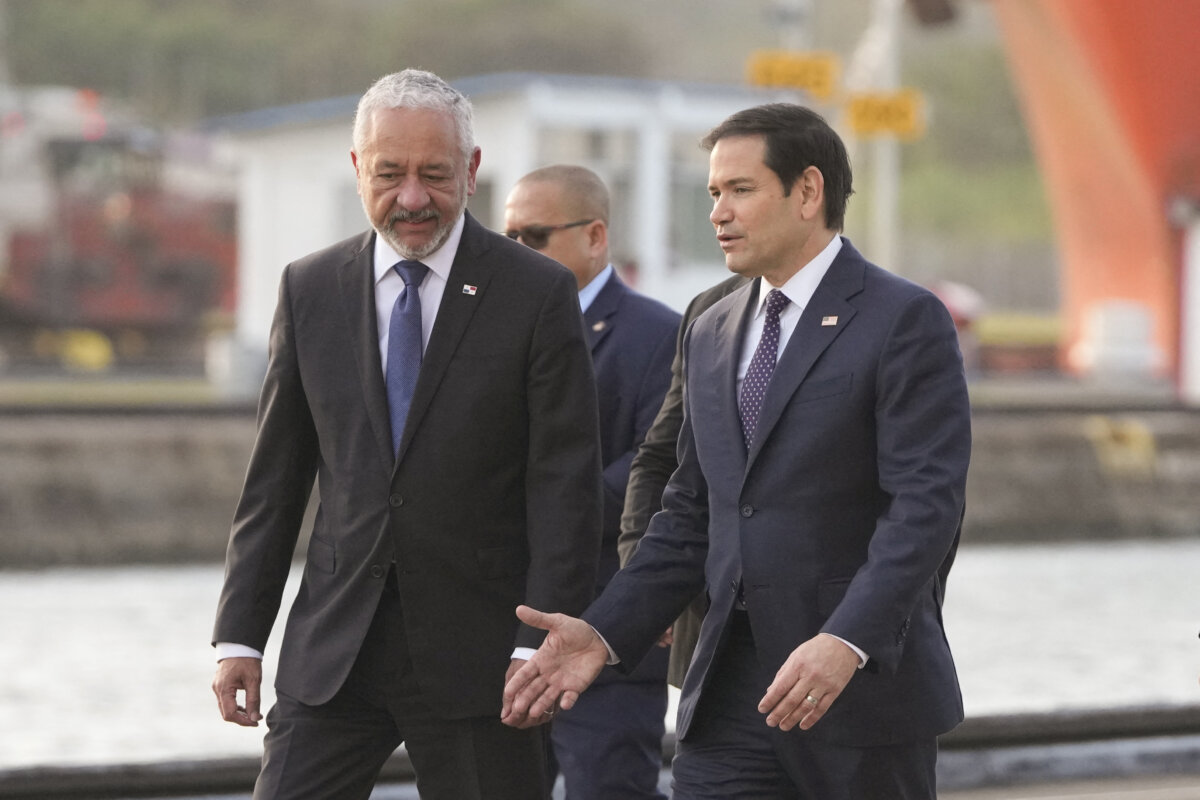
“If there’s a conflict and China tells them, do everything you can to obstruct the canal so that the U.S. can’t engage in trade and commerce, so that the U.S. military and naval fleet cannot get to the Indo–Pacific fast enough, they would have to do it … and they would do it. And now we’d have a major problem on our hands,” he said.
After meeting with Rubio, Panamanian President José Raúl Mulino said on Feb. 2 that his country would not renew its agreement with Beijing’s Belt and Road Initiative when the current one expires next year.
 Friends Read Free
Copy
Facebook
Tweet
Friends Read Free
Copy
Facebook
Tweet