
Sponsored Content by Happy Paws. This article includes affiliate links, which may earn us a commission, to support truthful and independent journalism (at no extra cost to you).
While joint pain in dogs can coast under the radar, there are a few telltale signs to look out for, such as limping, stiffness, hesitancy around stairs, lethargy, and flashes of irritability. As your dog ages, if those symptoms go untreated, joint problems can snowball into serious concerns that might appear to have sprouted overnight. Though if you know what to look for, you can spot these signs early.
In this article, we’ll dive into the lesser-known signs of joint pain in dogs. We’ll discuss what to look out for and when to consult your veterinarian. We’ll also uncover why so many pet parents are turning to joint supplements for dogs, and help you decide if you should do the same.
But, before reading this guide, if you think your dog may have joint pain or problems, a routine vet visit is always warranted. There, they can identify your dog’s unique condition and map out a tailored game plan to get your dog back to tip-top health!
Quick Takeaways
- Dogs often hide joint pain, so spotting subtle behavior changes matters.
- Joint issues can tank your dog’s mood and mobility over time.
- Early vet care and lifestyle tweaks can improve joint health.
- Dog joint supplements with glucosamine and chondroitin can help ease pain and boost mobility.
- Gentle, consistent exercise and proper nutrition keep joints strong and supported as dogs age.
Rethinking Joint Health in Dogs: Why It Matters
Your dog’s joint health is the center of their nose-to-tail wellness. To run, sit, zoom, prance, or jump, your dog needs healthy joints and hips. To simply express themselves, your dog relies on movement. But as they age, most dogs can experience a series of cyclical setbacks that can affect their joints, stemming from poor nutrition and prolonged periods of inactivity.
Mobility = Mood
When they’re young, your dog’s movements are carefree and unrestrained. They may dash to the door, barrel headfirst into the couch, or do a few too many laps around the park, all with a tongue-draped smile from ear to ear.
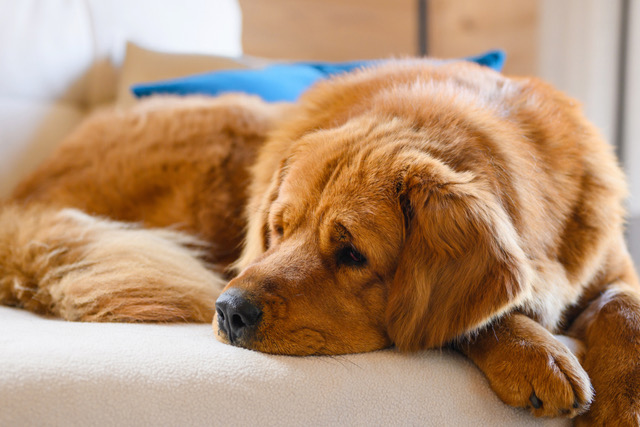
But as your dog ages, their joint health can decline, leading to reduced mobility, stiffer joints, and nagging joint pain. Because your dog isn’t getting the same level of daily activity, their mood might also take a hit, sidelined on the couch or their bed for hours on end. This inactivity can have lasting effects across a range of their nose-to-tail health, not just their happy-go-lucky mood.
Maintaining a Healthy Weight
Outside of nutrition, joint health is one of the key factors to maintaining a healthy weight in dogs. Exercise, daily walks, and tiring rounds of fetch can all help your dog burn excess calories and maintain a healthy, happy weight. But when joint pain starts to nag at your dog, they’re less inclined to move, causing a steady uptick in weight. While some weight gain is normal in older dogs, unchecked weight gain can lead to serious health concerns down the road.
This creates a challenging cycle: joint pain reduces activity, which in turn leads to weight gain. The extra weight puts more strain on the joints, worsening the pain and further reducing mobility. To address the problem, we, as dog owners, need to know what it looks like.
5 Secret Signs of Joint Pain
If you suspect your dog’s experiencing joint pain but are unsure, here are five secret signs to look out for.
-
Limping
Limping or favoring one leg is a symptom that starts off subtle, but can quickly become an obvious concern. As your dog’s joints start to age, they don’t do so at the same rate. One side may age faster than the other, leading to an apparent limp.If your dog tends to favor one side when walking or running, it’s always best to consult your veterinarian for immediate next steps.
-
Stiffness
Joint stiffness is often a result of osteoarthritis, a condition that affects up to 80% of senior dogs. This condition arises when the conjoining bones in a joint have ground through the cartilage and padding, leaving the two bones to rub and twist against each other. As you can imagine, this is a pretty painful experience.
-
Hesitant Around Steps or Stairs
Steps and stairs require all the joints in your dog’s legs to work in tandem. If one or more areas are affected, your dog might not be able to bound up or down the steps gracefully. So, they might be hesitant to take that first step. <
-
Low Energy
Joint pain can quietly take its toll on your dog’s mental and physical stamina, too. At first, your dog may be eager to run, walk, or fetch the ball. But after only a short time, they may be reluctant to continue, thanks to the nagging pain with each step.
-
Unusual Irritability
If your dog’s joint pain is persistent, their mood might decline, resulting in a lethargic and grumpy dog. They may also become outwardly irritable when you pet or graze their pain points. So, keep an eye out for sudden changes in your dog’s mood, as these may be evidence of underlying joint pain.
Solutions to Treat Joint Pain in Dogs
So, now that we’ve defined the problem, what can proactive pet parents do to help their pups?
Here are a few ideas.
Regular Vet Checkups
A good vet should be your dog’s best friend. They can help diagnose your dog’s condition early and offer a guide to help get your pup back on track. They can prescribe medications and at-home exercises you can do with your pet to foster better mobility and help alleviate joint pain.
Joint Supplements for Dogs
In addition to veterinary intervention, joint supplements for dogs are a popular choice for pet parents. These supplements carry a long list of all-natural nutrients that can promote better mobility and soothe the symptoms of joint pain. Two ingredients to keep an eye out for are glucosamine and chondroitin, two natural compounds that form the building blocks in your dog’s hips and joints.
Better Nutrition & Diet
For some dogs, joint problems stem from a poor diet and excess calories. Being overweight can have a profound effect on the health of your dog’s joints. So, one step you can do today to foster better joint health for your dog is to feed them a vitamin-rich, nutrient-dense diet.
Daily Exercise (at Their Pace)
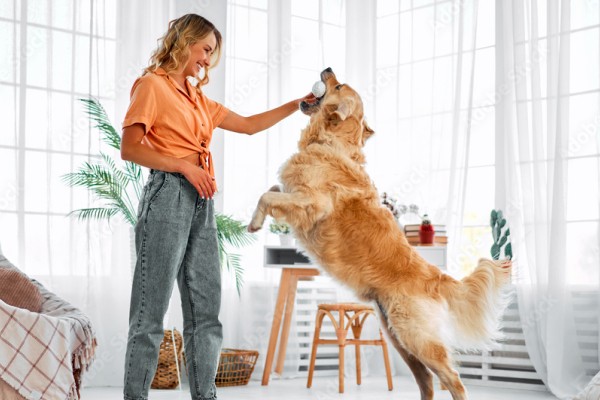
For old dogs and young dogs alike, exercise is essential for nose-to-tail health. But it’s important to go at their pace. Older dogs should stick to low-impact walks, shallow-water swims, and gentle playtime. Anything to keep their muscles and joints moving, while always staying well within their limits.

Reinforce Mobility With Happy Paws
At Happy Paws, we know the struggle of caring for your dog’s joint health. That’s why we’re proud to carry dog supplements to target joint health, mobility, and more! These soft chews work well as a stand-alone treat or as a delicious kibble-topper.
We carry an extensive line of dog vitamins and supplements that support your dog’s nose-to-tail health, from dog joint supplements to probiotics for dogs to daily dog multivitamins. All of our supplements are certified organic, all-natural, and backed by a team of veterinarians.
For a limited time, Epoch Times readers can shop our line of dog supplements and get 40% OFF your first order at HappyPaws.com!
Just use code EPOCH at checkout.
With supplements like these, you can give your dog the joint support they deserve.
 Friends Read Free
Copy
Facebook
Tweet
Friends Read Free
Copy
Facebook
Tweet