
Commentary
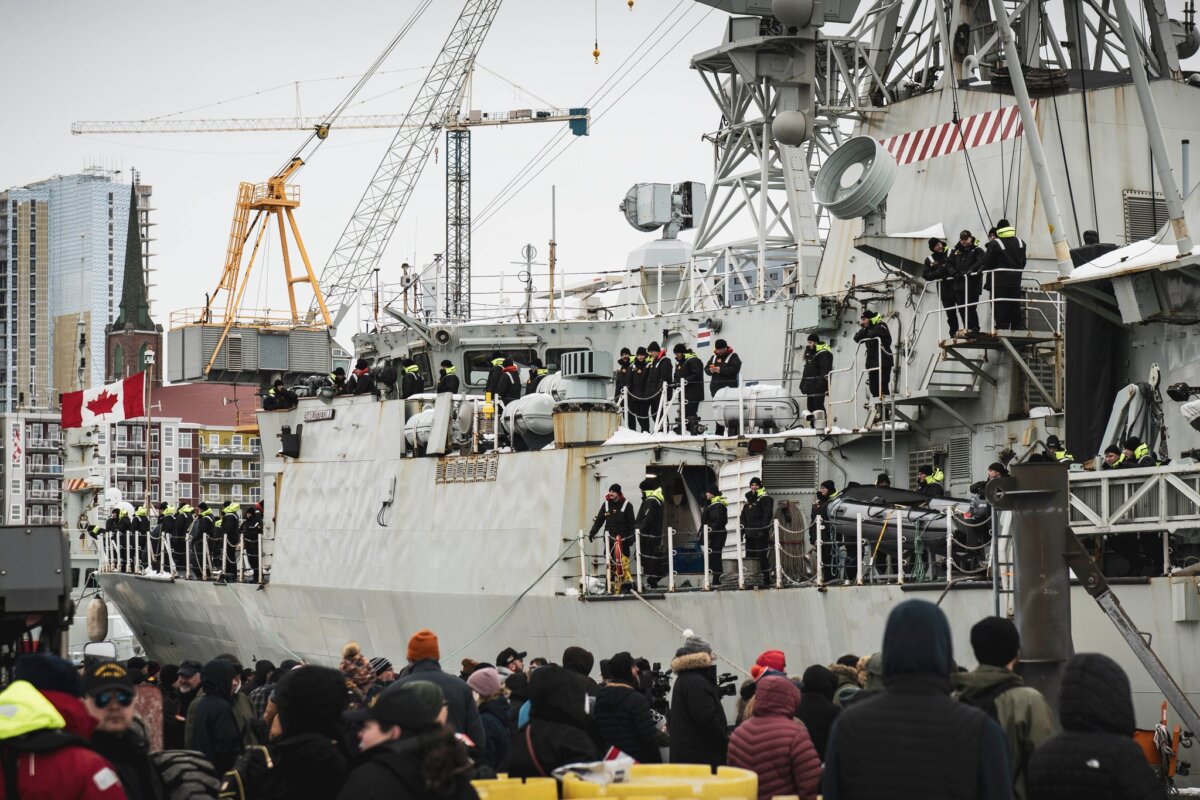
One of Mark Carney’s first promises upon becoming prime minister was to reinvest in and rebuild Canada’s military, and it appears the Liberal government has followed through with the recruitment commitment. The Canadian Armed Forces recently reported the largest surge in recruitment seen in 30 years, with over 7,300 new members joining in the 2025/2026 fiscal year.
The CAF has struggled to attract new members for decades, so it was surprising to see such a turnaround. In 2022, the federal government changed the rules and allowed non-citizens to join the Forces. This tactic appears to have worked, as 20 percent of the new recruits aren’t Canadian citizens but are permanent residents. This way of bulking up the CAF raises some concerns, however.
Allowing non-citizens to participate in the military isn’t unprecedented. The United States has long allowed permanent residents to enlist, and they are offered expedited citizenship after honourable service. Canada’s system is similar in requiring applicants to have three years of presence in the country, along with passing other entrance requirements. It has quickly expanded the pool of recruits and offers an incentive for permanent residents to integrate and become citizens. It also adds recruits with diverse cultural and linguistic skillsets, which could be valuable when serving overseas.
But having non-citizens serving in the military can present a domestic security risk. Can Canadians be assured that the people being armed and trained for combat all have the best interests of Canada in mind? Will their loyalties pass the test if they find themselves serving in a potential combat situation against their former homeland? It’s not unreasonable or intolerant to ask these questions.
The French Foreign Legion was established nearly 200 years ago and contains members from 140 different countries. It’s a famous and integral part of the armed forces for France, and it can be a pathway to French citizenship. That said, the vetting process for recruitment is strict, with only 10–15 percent of applicants accepted. The Legionnaires are limited, though, and only constitute 7–8 percent of the French army. They also suffer from notoriously high desertion rates, which brings the loyalty of foreign recruits into question.
Is Canada planning carefully enough when bringing such large numbers of non-citizens into the military?
Immigration traditionally has been a net benefit for Canada. When planned and controlled immigration morphed into mass immigration in 2015, though, it contributed to a housing crisis along with issues in accessing social services and health care. An influx of non-citizens into the Armed Forces could become too much of a good thing if there aren’t guardrails in place.
Has the Canadian Armed Forces addressed the issues that led to such low domestic recruitment rates in the first place, or are permanent residents being used as a band-aid solution to fill the roles Canadian citizens weren’t willing to take on?
Housing, pay, and training for military members were all falling short only a few years ago. Auditor General Karen Hogan released a report last October saying the Forces didn’t have the training capacity to meet the demand if recruitment targets are to be met. Have the facilities been constructed, and are there enough skilled personnel in place to properly train the flood of new recruits?
The culture and morale of the Canadian Armed Forces have been challenged in recent years, too. Typical woke-style management and goals passed down from the bureaucracy have demoralized many members, and the requisite warrior culture required in an armed force has been lacking. Retention of new recruits, whether they are citizens or not, could be problematic if the culture of the Forces hasn’t been improved. Members also must feel they are properly and safely equipped. The CAF currently has two generals for every operational tank. The procurement process has been terribly slow, and the leadership will have to ramp things up quickly if the new influx of service members is to be properly equipped.
Canada’s Armed Forces have been poorly treated and funded for decades. The aging equipment and declining numbers of service members have been a national embarrassment. NATO members have long called out Canada for its refusal to fully contribute to the alliance, and President Trump has never failed to remind Canadians that the USA has been carrying most of the water in keeping North America secure.
The Carney government seems committed to turning that trend around, and it may have solved the recruitment problem. That’s just one part of the puzzle, though. Retaining the recruits and ensuring loyalty to the country could be challenging if the plan relies on an abundance of non-citizens to fill the roles.
Let’s hope there is a broader plan to manage the growth of the Forces, lest the benefits of the recruitment surge turn into a detriment overall.
Views expressed in this article are the opinions of the author and do not necessarily reflect the views of The Epoch Times.
 Friends Read Free
Copy
Facebook
Tweet
Friends Read Free
Copy
Facebook
Tweet