
Commentary
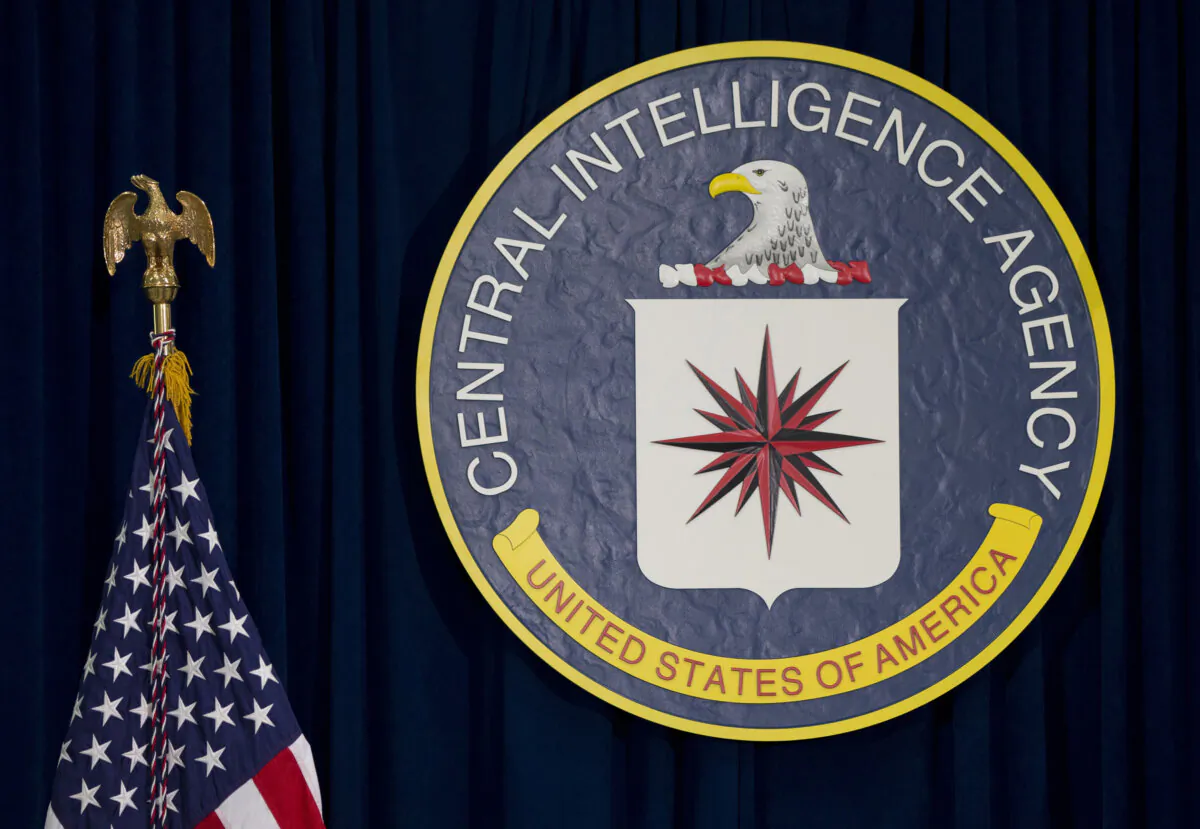
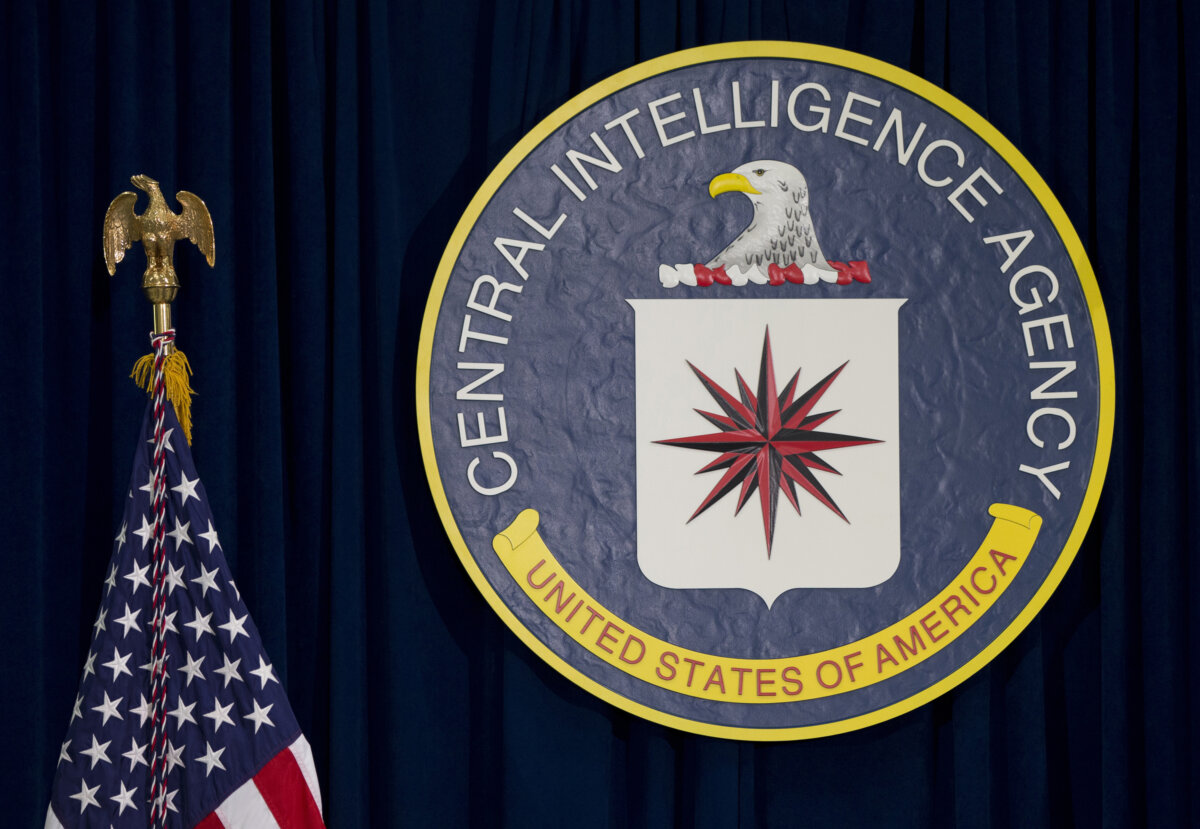
In a striking and unusually public move, the CIA has begun openly urging Chinese citizens, particularly officials and military officers, to secretly provide information about the Chinese Communist Party (CCP).
Rather than relying solely on clandestine channels, the CIA has taken its message directly to the global internet by publishing Mandarin-language videos and instructions for secure communication across social media platforms. That’s one of the most direct public intelligence recruitment campaigns aimed at China in modern history.
The strategy reflects a deeper geopolitical shift.
For the first time since the Cold War, Washington is openly treating a rival power not merely as a competitor, but as a comprehensive adversary, whose internal stability may ultimately shape the balance of global power.
And history tells us that often, the real vulnerabilities of authoritarian systems don’t always appear on the battlefield but rather within the ruling elite.
A Digital Recruitment Campaign
The CIA’s digital campaign became public in May 2025 when it released two Mandarin-language recruitment videos that targeted Chinese officials.
The videos portray fictional Chinese government employees who become disillusioned with corruption, political purges, and the precarious nature of life within the Party hierarchy.
The titles are unambiguous, to say the least:
- “Why I Contacted the CIA: To Take Control of My Fate.”
- “Why I Contacted the CIA: For a Better Life.”
In one scene, a senior official reflects on the political reality inside the Party: As he rises in rank, those above him are suddenly purged and discarded. His own future and his family’s safety appear to be increasingly uncertain.
The message to the target audience is unmistakable: Are you next?
More to the point, it’s telling CCP officials, “Hey, if you’re inside the system and troubled by what you see, there is another path.”
The videos then explain how individuals can contact the CIA anonymously using encrypted communication tools and secure digital channels.
If nothing else, it’s a cheeky approach to sowing discontent (as if the CCP needed help with that) and recruiting spies.
Breaking Through the Great Firewall
The videos were distributed across several major global platforms, including YouTube, X, Facebook, Instagram, and Telegram. Of course, many, if not all, of these channels are blocked by the regime’s censorship architecture, commonly known as the Great Firewall.
But the firewall is not impenetrable.
Millions of Chinese citizens, including officials, researchers, and military personnel, use virtual private networks to access the global internet. That’s why U.S. intelligence officials believe that the videos are reaching audiences inside China despite censorship barriers.
And the numbers suggest that they’re right to believe so, because their message appears to be getting through. Within 24 hours of release, the Mandarin-language recruitment videos generated more than 5 million views.
Over time, combined viewership across several videos has climbed dramatically, with some estimates approaching 120 million views. That’s a big deal, especially when you consider that the original target audience was Party members.
Targeting China’s Military, Too
But the campaign did not end with the CCP officials.
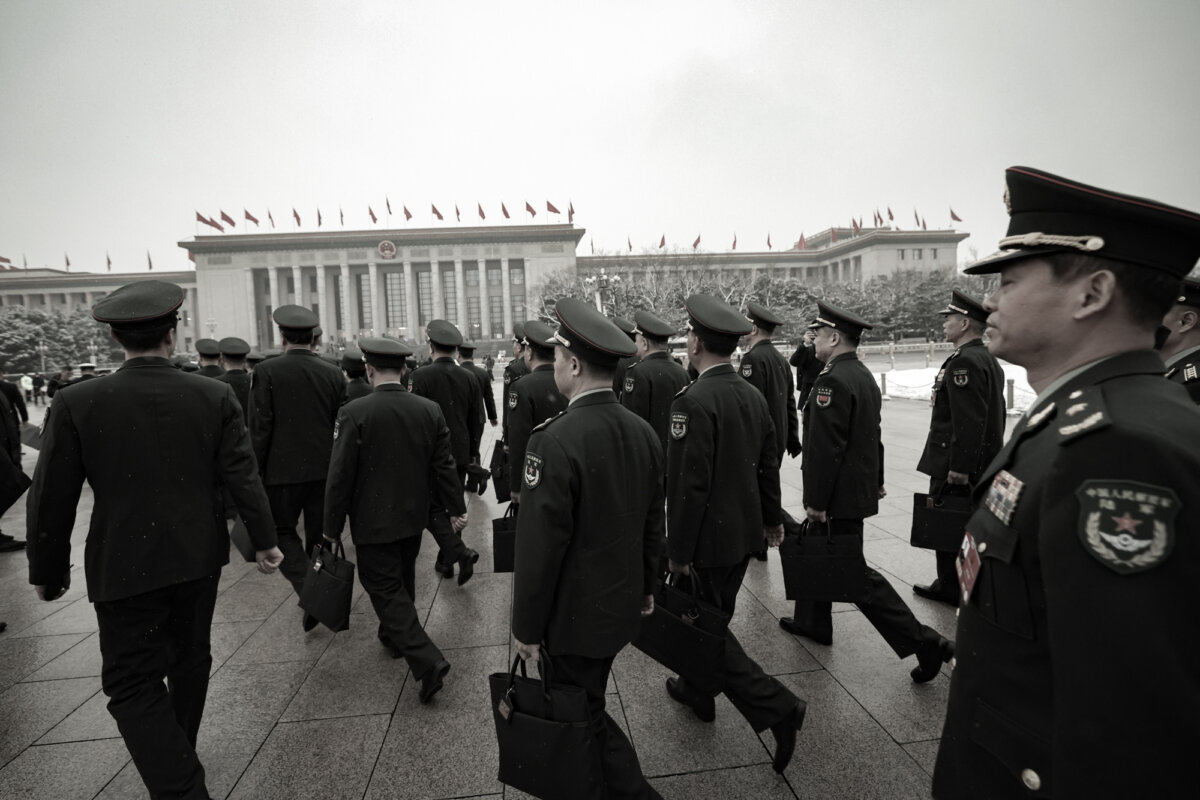
In early 2026, the CIA released a Mandarin-language recruitment video aimed specifically at officers within the People’s Liberation Army. The storyline centers on a fictional military officer who becomes disillusioned with corruption and factional politics among China’s leadership. The officer ultimately decides that protecting his family’s future requires quietly reaching out to the United States.
The timing was hardly accidental.
Chinese leader Xi Jinping has launched sweeping anti-corruption purges within the People’s Liberation Army in recent years, removing or investigating numerous senior officers. Publicly, these campaigns are framed as discipline and reform. But it’s common knowledge that such purges often create something far more dangerous inside authoritarian systems: fear among the elite.
Fear breeds mistrust, and mistrust breeds vulnerability.
Beijing Pushes Back
Understandably, Beijing was not too happy about the campaign. Officials from the Chinese foreign ministry condemned the CIA videos as a blatant attempt to infiltrate and destabilize the country.
Beijing warned that it would take “strong measures” against foreign espionage and infiltration efforts. At the same time, the CCP has expanded counterespionage laws, increased surveillance, and encouraged citizens to report suspicious contacts with foreigners.
The regime clearly understands the stakes. Authoritarian governments depend not only on power, but also on loyalty within the elite. Any signal that loyalty may be weakening is treated as a national security threat, and rightly so.
Rebuilding a Broken Spy Network
There is also a practical reason behind the CIA’s renewed recruitment push. Between roughly 2010 and 2012, Chinese counterintelligence dismantled a large portion of the CIA’s human intelligence network inside China.
Reports later suggested that dozens of CIA informants were captured or executed after Beijing discovered the network. It was one of the most devastating intelligence losses in modern American history.
The damage forced U.S. intelligence to rebuild its human networks in China almost from scratch. The current recruitment campaign appears to be part of that long-term rebuilding effort. It’s a critical piece of intelligence operations. Human intelligence, with actual people inside the system, is simply irreplaceable.
Satellites can photograph missile bases and signals intelligence can intercept communications, but only insiders can reveal what leaders truly think and what factions inside a regime may be planning.
Echoes of the Late Soviet Union
There is also a deeper historical parallel.
In the late years of the Cold War, the Communist Party of the Soviet Union appeared outwardly stable. Its military was vast, its intelligence services were formidable, and its political system seemed permanent.
Yet beneath the surface, something crucial had begun to erode.
Confidence inside the ruling elite was fading. Economic stagnation, corruption, and political mistrust slowly hollowed out the system from within. At the same time, Soviet officials could see the freedom and wealth of the West on full display.
Chinese officials have a similar view.
That lesson is that authoritarian systems often appear strongest just before they begin to weaken. This isn’t lost on the CCP, and evidently, the CIA is well aware of it, too.
Signals Beneath the Surface
Is the campaign showing signs of success?
At the time of this writing, that’s unknown.
Certainly, China remains one of the most powerful and tightly controlled political systems in the world, but as I and others have discussed, not all is well with the Chinese economy, demography, or even within the CCP itself.
That’s why the CIA’s decision to publicly recruit Chinese officials tells us something important. Intelligence agencies rarely advertise recruitment campaigns unless they believe that the message may resonate.
That doesn’t happen unless analysts see cracks within the system they are targeting, and there are plenty. Leveraging those fractures isn’t new; the divide-and-conquer strategy has been around for millennia because it works.
By openly calling for “agents of change” inside China, the CIA believes that watering the seeds—or the blooming fields of discontent, if you will—is worth a try.
It probably is.
Views expressed in this article are the opinions of the author and do not necessarily reflect the views of The Epoch Times.
 Friends Read Free
Copy
Facebook
Tweet
Friends Read Free
Copy
Facebook
Tweet