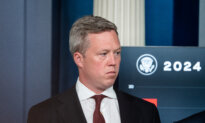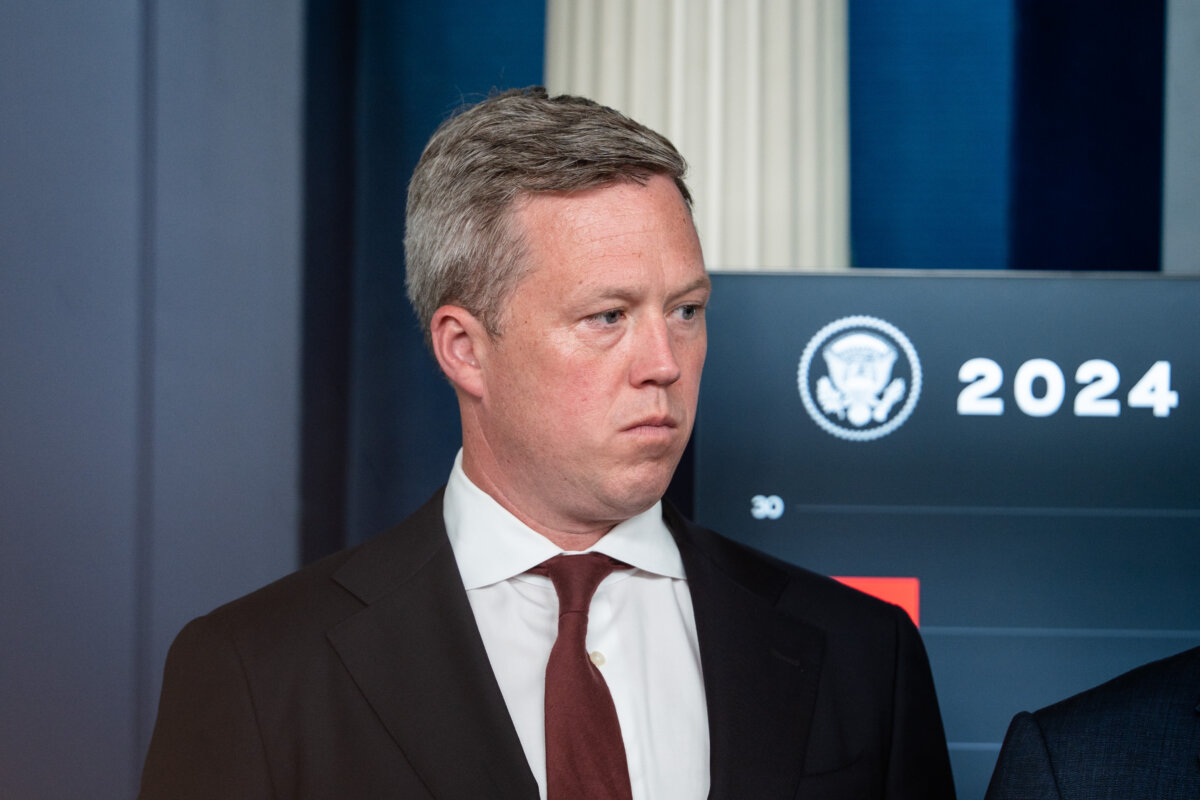

U.S. Army Secretary Dan Driscoll has resigned after 18 months, the White House said on Aug. 31.
No reason was given for the departure.
“Secretary Driscoll has been highly effective in advancing President Trump’s agenda to Make America Strong Again at the Department of the Army by providing outstanding leadership during historic military operations, restoring an emphasis on readiness and lethality, assisting with negotiations between Russia and Ukraine, and more,” White House spokeswoman Anna Kelly said in a statement provided to media outlets.
“The United States Army is more powerful than ever thanks to his work alongside the Commander-in-Chief and Secretary of War,” she added.
The Pentagon referred a request for comment to the Army and declined to provide comments on the resignation.
Trump announced the nomination of the former soldier, investor, and political adviser in a Truth Social post a month before he was sworn into office for his second term.
Driscoll joined the Army after graduating from the University of North Carolina-Chapel Hill. During his career, he attended Ranger School and served as a cavalry scout platoon leader. He served in combat in Iraq and returned to attend Yale Law School, where he met and became friends with Vice President JD Vance.
Driscoll replaced outgoing Army Secretary Christine Wormuth.
The Army didn’t immediately return a request for comment.
The secretary will follow other top leaders out the door this year as turnover in the Army continues.
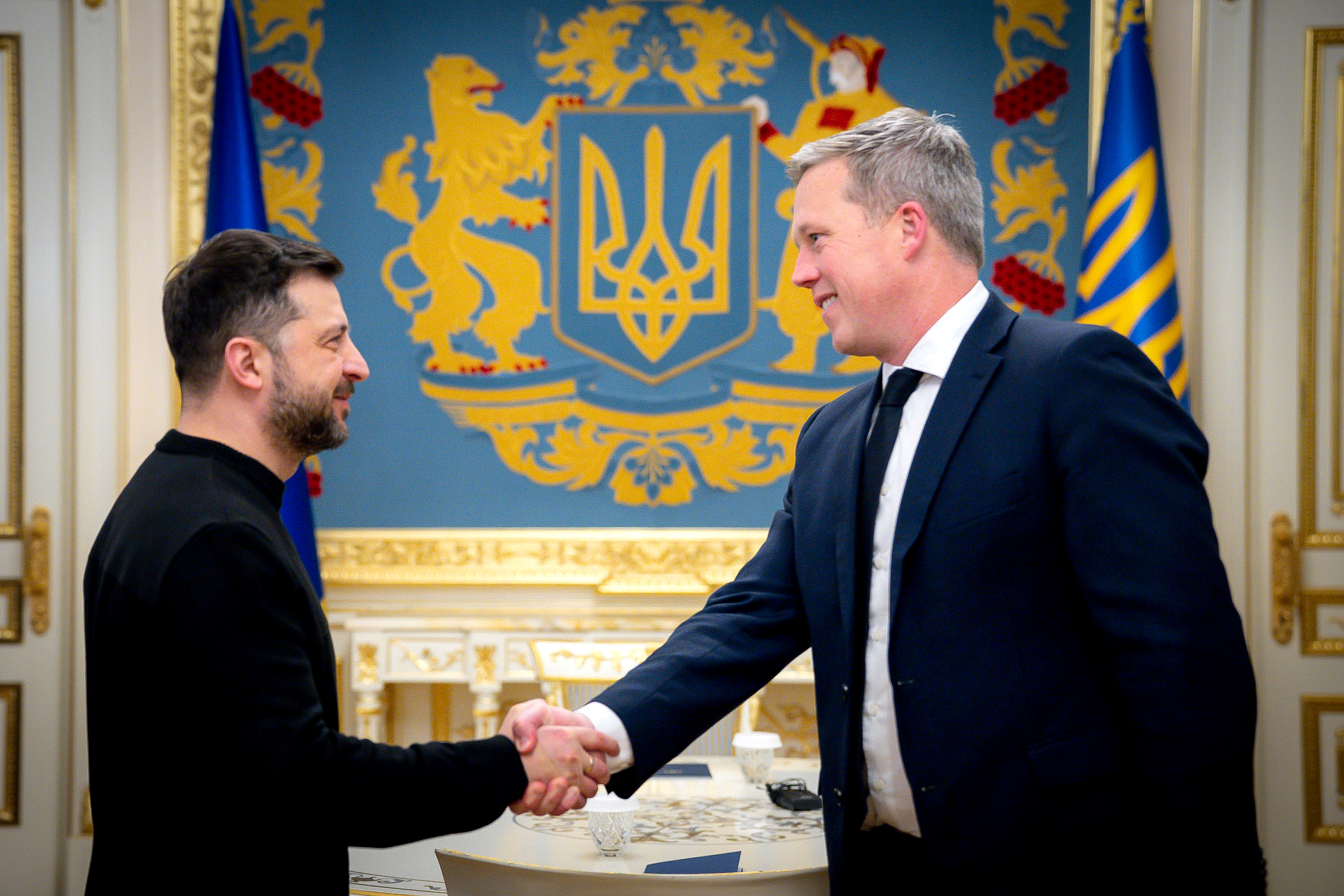 Ukrainian President Volodymyr Zelenskyy (L) shakes hands with U.S. Secretary of the Army Dan Driscoll in Kyiv, Ukraine, on Nov. 20, 2025. (Ukrainian Presidential Press Office via AP)
Gen. Christopher LaNeve took George’s place as the Army’s acting chief of staff.
Under LaNeve, the Army ended its drone modernization program less than a year after its infantry unit was tasked with testing its operations.
Driscoll lamented George’s departure, telling Congress in April he and his family drove to George’s house after he resigned and “we all gave him a hug.”
“That being said, the civilian leadership, the design of our system, is that they get to pick the leaders that they want,” Driscoll said.
During his time as secretary, Driscoll served as a key negotiator in the war between Russia and Ukraine. He worked to reduce regulations for military contractors to develop more drones and counter-drone technology.
The Associated Press contributed to this story.
 Friends Read Free
Copy
Facebook
Tweet
Friends Read Free
Copy
Facebook
Tweet