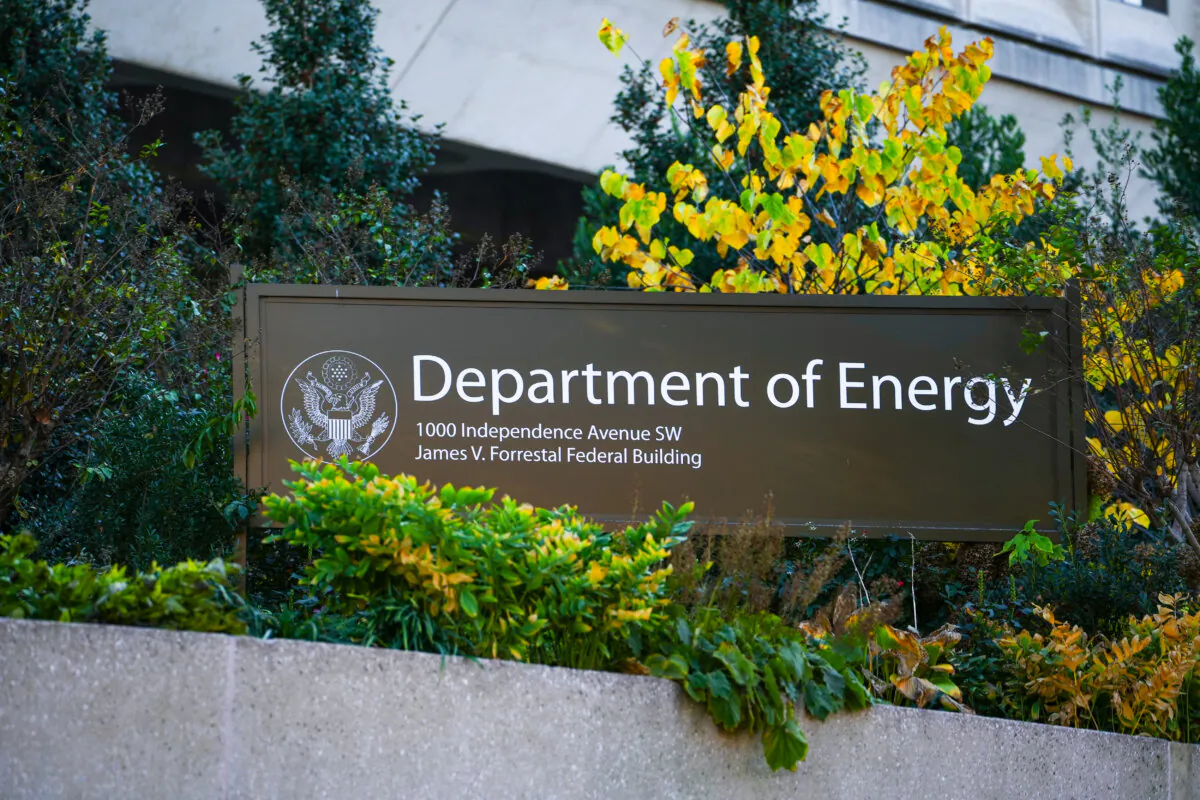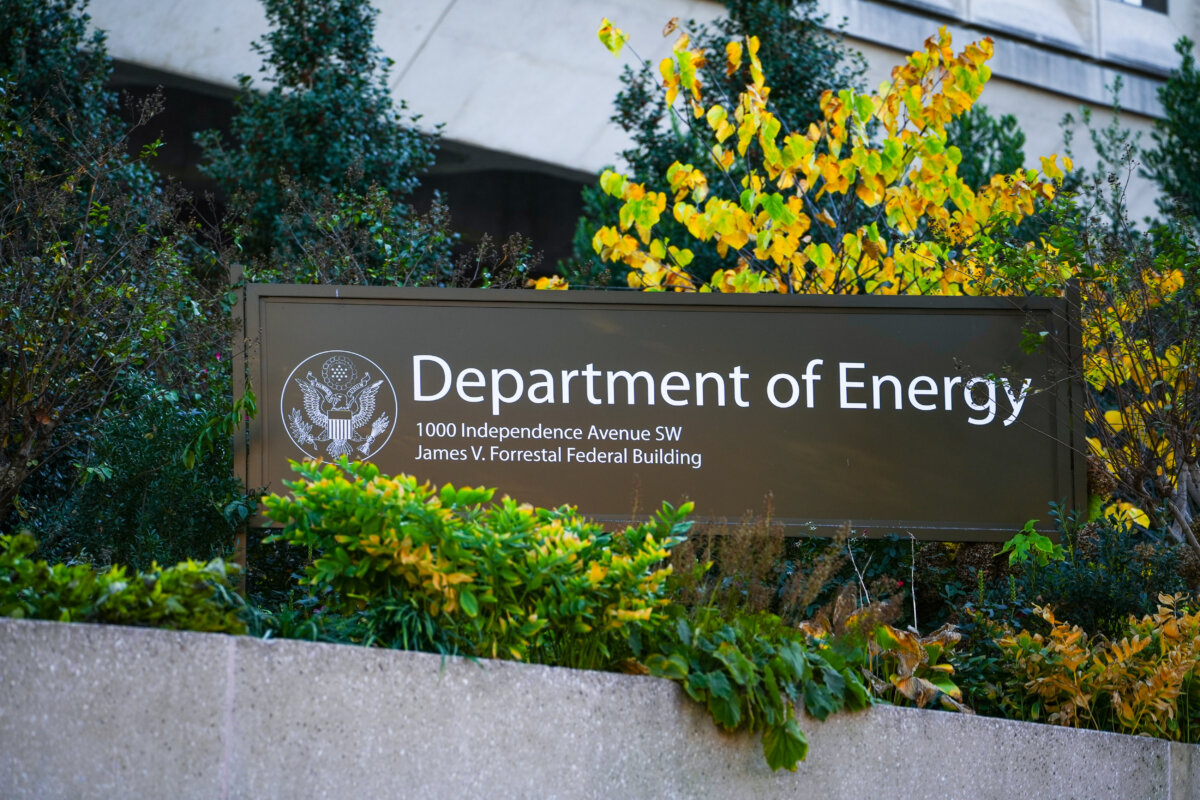

The Department of Energy (DOE) has issued an emergency order authorizing Duke Energy to operate at maximum capacity, even exceeding certain emission levels, to reduce the risk of potential blackouts during a heat wave in the Southeast United States, the agency stated in a June 24 announcement.
According to a June 25 alert issued by the National Weather Service, valid through June 27, “Extremely dangerous heat persists across the Midwest and East Coast.”
Duke Energy’s electric utilities serve 8.6 million customers in Kentucky, Ohio, Indiana, Florida, North Carolina, and South Carolina.
On June 23, Duke Energy had sent a request to Secretary of Energy Chris Wright, warning that its service territory is expected to experience “elevated ambient temperatures combined with high humidity” from June 23 through June 25.
Peak temperatures are expected to range between 96 degrees and 102 degrees Fahrenheit in areas outside of high elevation, according to the company.
The combination of high heat and humidity is expected to “result in a significant increase in demand for electricity on the Duke Energy system,” it stated, and some of the power-generating units “may experience operating difficulties due to hot weather in the coming days.”
“Additionally, other units may be limited in their availability by conditions and limitations in their environmental permits. As a result, Duke Energy may not have sufficient generation available to meet this unusually high demand and may have to curtail load in order to maintain security and reliability of the grid,” the company stated.
Duke Energy requested that the secretary allow certain electricity-generating units to operate at their maximum levels, irrespective of existing “air emissions or other permit limitations” in order to tackle any energy shortfall.
Wright approved Duke Energy’s request in the June 24 order, which applies until 10 p.m. EDT on June 25, during times when energy emergency alerts are declared.
“As electricity demand reaches its peak, Americans should not be forced to wonder if their power grid can support their homes and businesses. Under President Trump’s leadership, the Department of Energy will use all tools available to maintain a reliable, affordable, and secure energy system for the American people,” Wright said.
“This order ensures Duke Energy Carolinas can supply its customers with consistent and reliable power throughout peak summer demand.”
Power Demand and Hot Weather
The DOE’s emergency order for Duke Energy follows another emergency order issued by the agency to PJM Interconnection on May 31, allowing PJM to continue running two fossil fuel power generating units beyond their scheduled end dates.
PJM manages the electricity system, serving 67 million people in 13 states and the District of Columbia.
Recently, PJM issued two emergency energy alerts because of hot summer weather. On June 24, the company announced that the alerts were extended to June 25, “as hot weather conditions continue throughout the region PJM serves.”
PJM said it saw a peak load of 160,526 megawatts between 5 p.m. and 6 p.m. EDT on June 23, which is the “highest demand recorded on the PJM system since 2011.”
The National Weather Service alert warns: “Extreme heat warnings and/or heat advisories currently extend from the Lower Mississippi Valley and Midwest to much of the East Coast, affecting nearly 150 million people. The Ohio Valley will experience the longest stretch of extreme heat as it is likely to persist through Friday.
“High temperatures are forecast to reach the upper 90s with overnight lows in the 70s. Urban areas along the East Coast will struggle to drop below 80 degrees at night.”
On June 23, Duke Energy issued multiple advisories for customers in Indiana, North Carolina, South Carolina, and Florida, offering tips on how to save energy and money amid rising temperatures.
The company advised people to set the thermostat to the highest comfortable setting, use cooler water to wash clothes, close curtains and blinds on the sunny side of the home, and run heat-producing appliances in the morning hours when temperatures are cooler.
 Friends Read Free
Copy
Facebook
Tweet
Friends Read Free
Copy
Facebook
Tweet