
Jury Convicts Duane ‘Keffe D’ Davis of First-Degree Murder in Tupac Shakur Killing  

By Kimberly Hayek
Kimberly Hayek
Kimberly Hayek
Kimberly Hayek is a reporter for The Epoch Times. She covers California news and has worked as an editor and on scene at the U.S.-Mexico border during the 2018 migrant caravan crisis.
August 31, 2026Updated: August 31, 2026

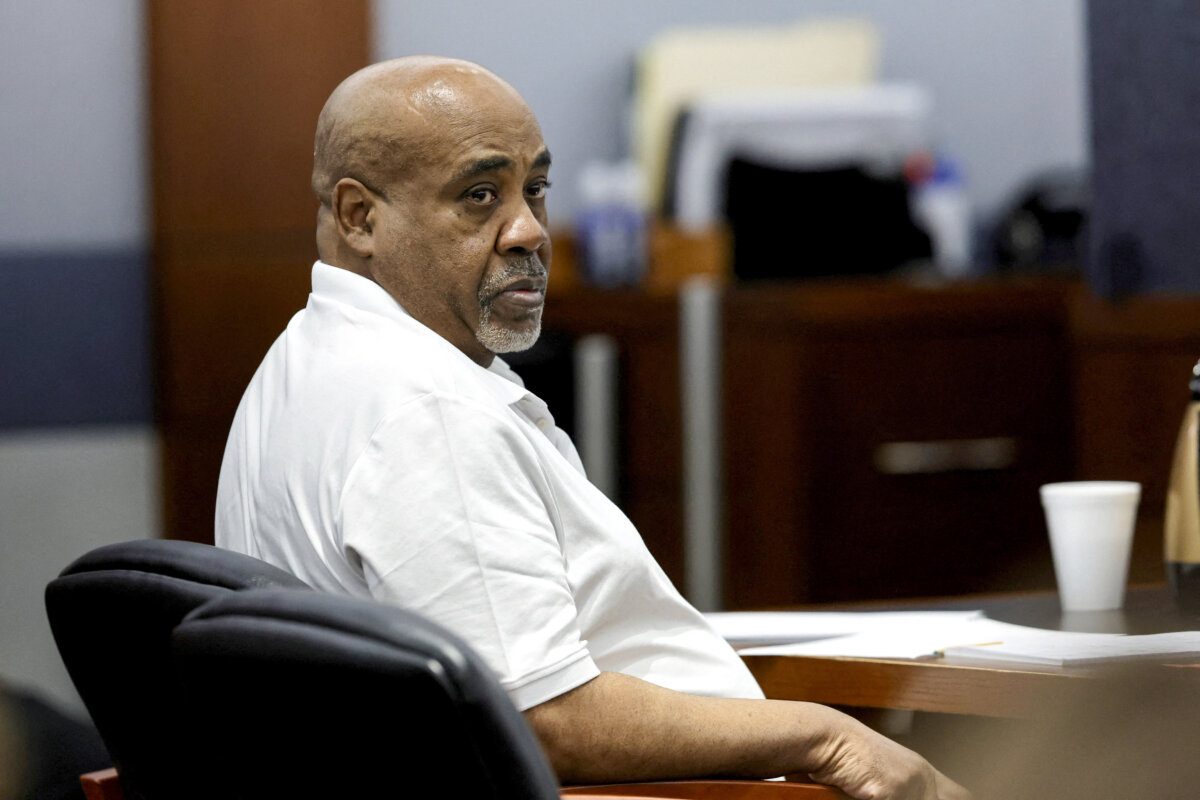
Jurors convicted Duane “Keffe D” Davis of first-degree murder Monday for the 1996 killing of Tupac Shakur.

The 63-year-old former South Side Compton Crips leader faces life without parole. He pleaded not guilty. The charge was murder with a deadly weapon with the intent to promote, further, or assist a criminal gang.  

Davis never pulled the trigger, prosecutors said. He did, however, plan it and procure the gun.

The incident began hours earlier, when Shakur and his crew assaulted Davis’s nephew, Orlando “Baby Lane” Anderson, inside the MGM Grand after a Mike Tyson fight.  

A white Cadillac later pulled up beside the black BMW carrying Shakur and Marion “Suge” Knight. Shots fired from the Cadillac hit Shakur, who was 25 at the time, multiple times. He died six days later in the hospital, while Knight survived.

Prosecutors built the case on Davis’s comments over the years, including recordings from 2008 and 2009, as well as his 2019 book. 

Chief Deputy District Attorney Binu Palal told the jury at the start that Davis played a key role in the murder.

“Let’s be clear, Duane Davis did not pull the trigger,” Palal said. “But he did plan the shooting in retaliation of the beating of his nephew. Remarkably, you will learn that from Duane Davis himself.”  

Davis told the FBI in 1998 and 1999 he was in Las Vegas that night. In a 2008 interview, he described giving a .40-caliber to men in the car’s backseat. He recounted the same story to Las Vegas law enforcement a year later.  

Judge Carli Kierny allowed those tapes to be heard in court, as well as the book, which Davis has referred to as the truth.  

Defense lawyer Michael Sanft rebuffed the prosecutor’s claims from the start of the trial. 

“What they are telling you, they are representing as fact, when it’s really fiction,” Sanft said. “There’s no facts.”  

No gun, car, or video of Davis near the intersection were ever recovered. Sanft said law enforcement did not believe Davis’s stories, or they would have brought a case against him prior to 2023, when they ultimately brought charges. 

The other three men Davis put in that Cadillac have passed away since the crime. Anderson, who was killed in Compton two years later, always denied taking part in the shooting. 

The state brought twenty-four witnesses to the stand. The defense brought three witnesses, and Davis did not speak during the trial.

Sentencing will take place in the near future.