
Liberia has agreed to accept up to 1,200 third-country deportees from the United States in the next 12 months, the West African nation’s government announced Tuesday.
The Trump administration has struck several deals with African countries in order to deport illegal immigrants who cannot be sent back to their own countries under the law.
The first group of 20 deportees is expected to arrive in the country on Aug. 20, according to the government’s statement, which said the deportees “will include citizens or nationals of African and Western Hemisphere countries who are medically authorized to travel.”
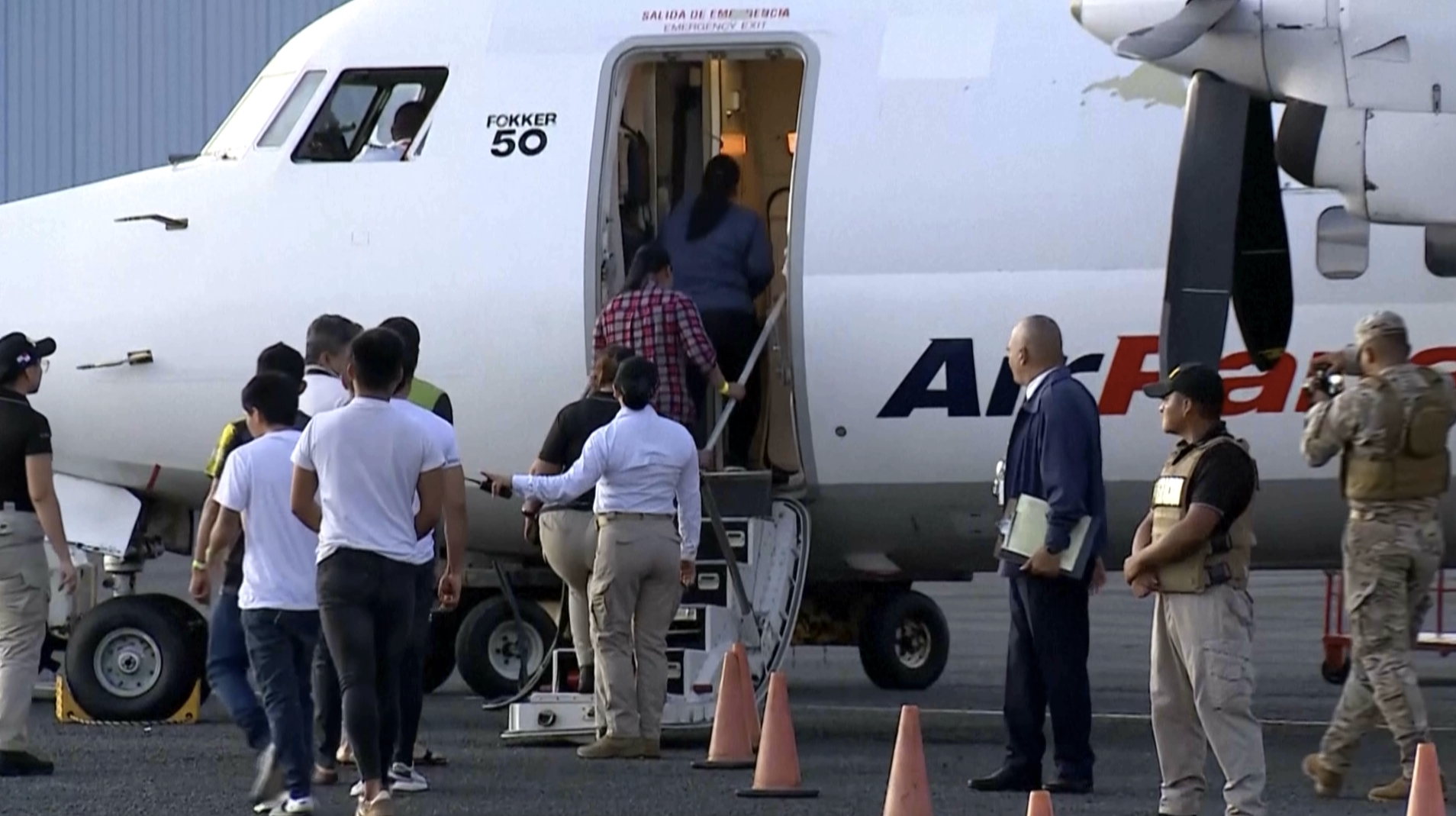 People board a deportation flight from Panama funded by the United States, in Panama City, Panama, on Feb. 13, 2025. (Telemetro via AP/Screenshot via The Epoch Times)
Deportees ‘Received as Guests’
The statement said the deportees are not being prosecuted for any crimes, and should be received “as guests” who will be free to leave the country if they choose and will be able to apply for asylum in Liberia.
The Liberian government “intends to provide the transferred persons with the necessary support to seek protection in Liberia and to be safe during their stay here,” the statement said.
It added that the deal did not involve any quid pro quo with Washington and the Liberian government is not asking for compensation for accepting the deportees.
The U.S. government will provide “support to help manage the program and strengthen its migration system more broadly,” the statement said, without providing financial or other details.
The statement referenced Liberia’s history as a haven for enslaved people freed from the United States and as a country with “a long history of accepting people seeking refuge from political and other crises.”
Trump Met 5 African Leaders
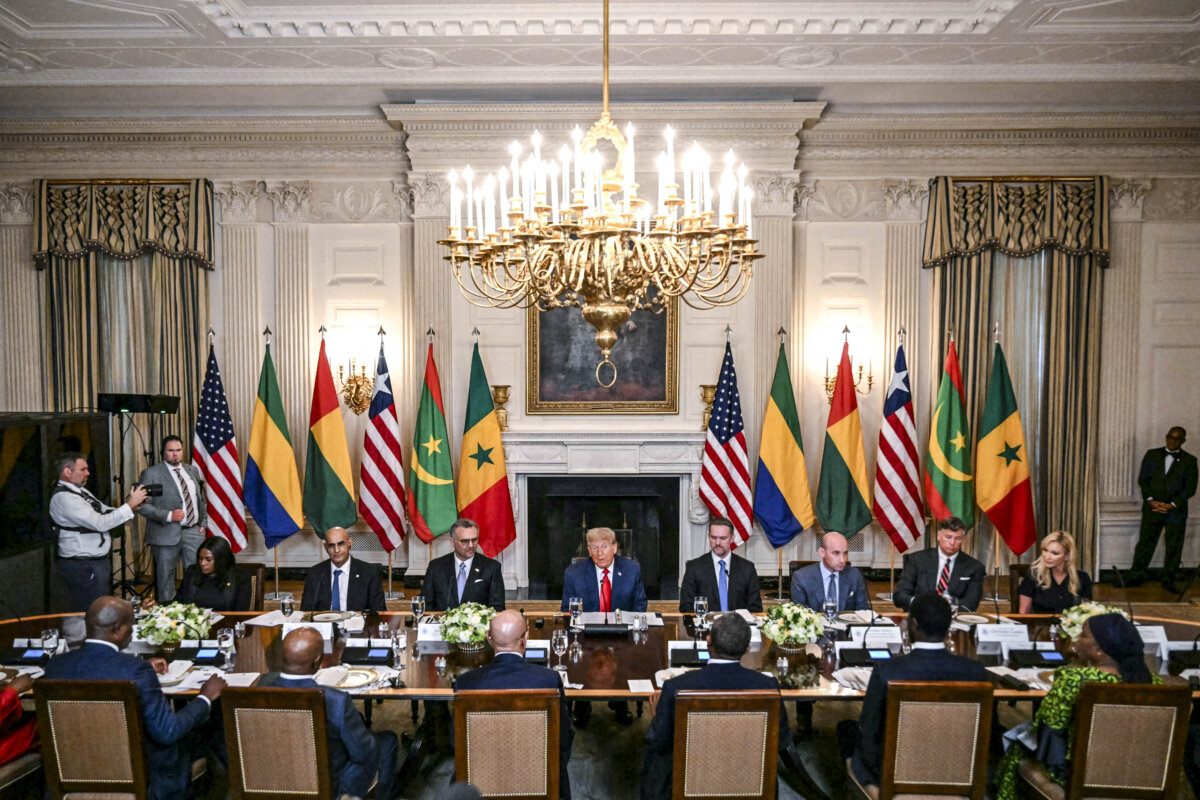
Liberian President Joseph Boakai was one of five West African leaders who met with Trump at the White House in July 2025, where the U.S. president emphasized a shift in relations from aid to trade, following the disbandment of the U.S. Agency for International Development.
Since his return to office, Trump has been pressing to speed up deportations, including by sending illegal immigrants to third countries when there are problems or delays in sending them to their home nations.
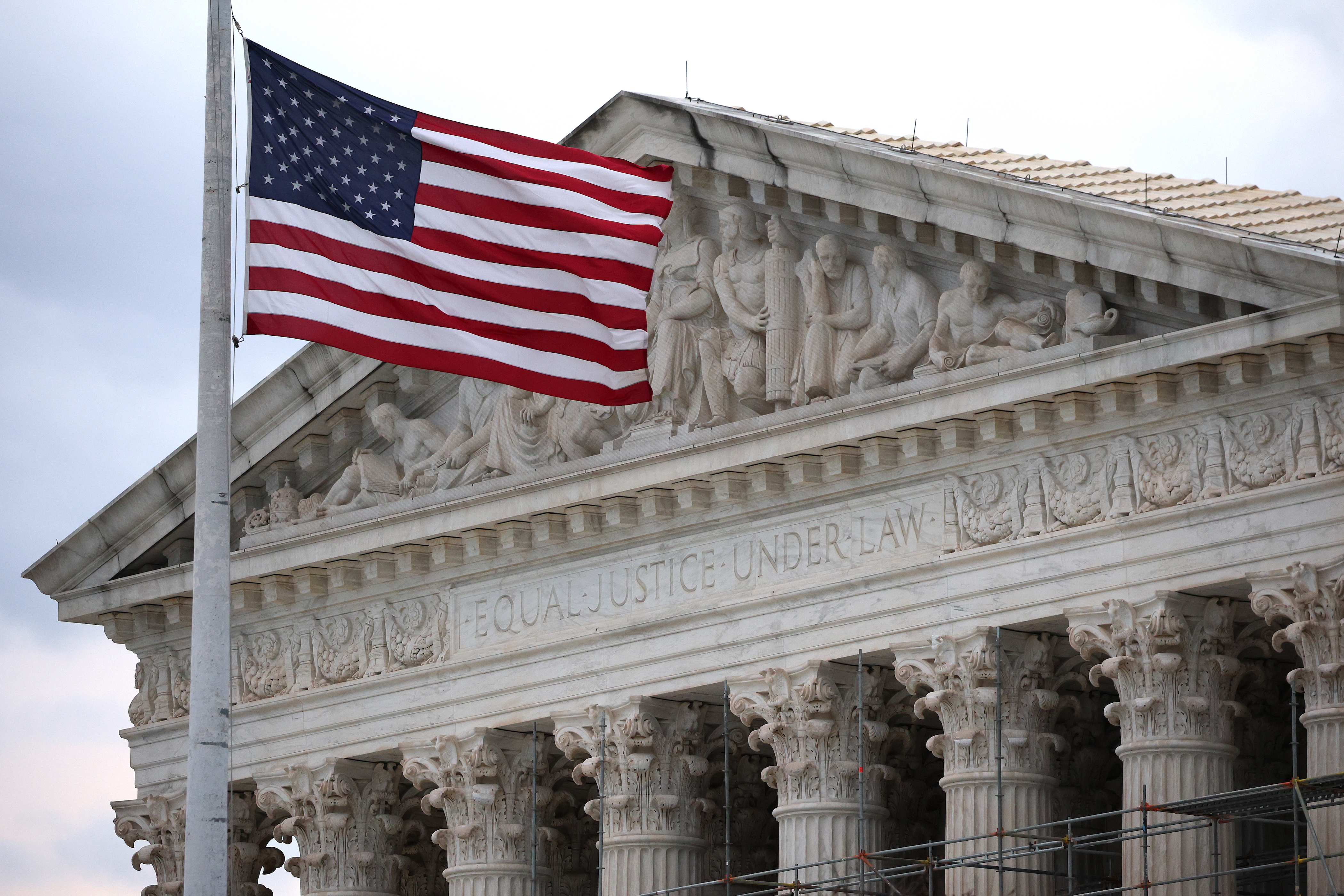 The Supreme Court in Washington, on March 17, 2025. (Win McNamee/Getty Images)
Numerous Legal Challenges
Rights groups and advocates have protested against such third-country deportations, arguing the details are opaque and that many of the deportees are ultimately repatriated, resulting in numerous legal challenges.
In March, a U.S. appeals court allowed the Trump administration to resume deporting illegal aliens to third countries while a legal challenge to the policy continued. The court did not make a final ruling on whether the policy of third-party deportations itself was lawful.
The Supreme Court in June ruled that the Trump administration could resume deporting illegal immigrants to countries not specifically identified in their removal orders, pausing a ruling by a federal judge in Massachusetts that temporarily prohibited the government from sending illegal immigrants to “third-party countries” without first taking a series of steps to ensure they would not face torture there.
The U.S. State Department does not routinely disclose details on the nationalities of deportees.
Other African countries that have struck deals to accept third-country deportees include Congo, Central African Republic, Equatorial Guinea, Cameroon, Ghana, and Sierra Leone.
As part of its crackdown against illegal immigration, the Trump administration has used a series of agreements to deport more than 23,000 people to 26 different countries they were not born in, according to Third Country Deportation Watch.
The watch group says some deportees were sent to nations that they had no connection to, and in some cases, to countries they had not heard of.
The majority of deportees—some 19,000—have been sent to Mexico, according to the group, meaning about 4,000 have been scattered across another 25 countries.
Across the Caribbean as well as Latin America and Africa, several governments have entered into various agreements with the United States to house some deportees.
Jamaica, in June, signed a memorandum of understanding with the U.S. Department of Homeland Security to accept up to 25 third-country deportees from the United States every two weeks.
 Friends Read Free
Copy
Facebook
Tweet
Friends Read Free
Copy
Facebook
Tweet