
WHITTIER, Alaska—Lorelei Gurung invested years chasing the Los Angeles dream, working long hours and saving every dollar to buy the car, the condo, and the life she always wanted in Southern California.
One day, she realized it wasn’t enough. Or maybe it had become too much. The noise, bustle, high prices, and traffic jams just didn’t seem worth it anymore.
Two years ago, she chose to leave everything behind, trading Los Angeles’s chaotic sprawl for the subarctic calm of Whittier, Alaska, 3,544 miles northwest.
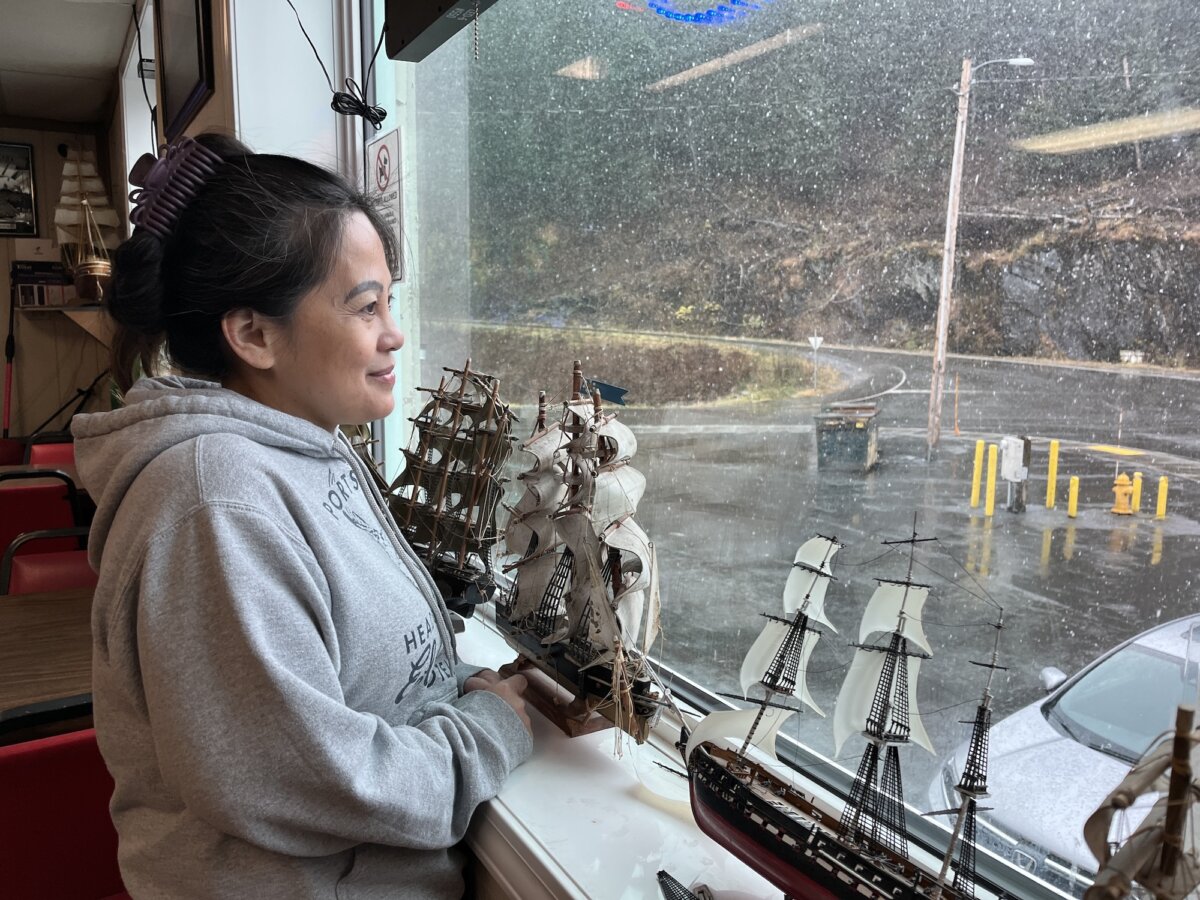
“Advantages? Well, you don’t see a mall. You don’t see anything like that if you’re outdoorsy, like me,” said Gurung, 49, who works as a server at the Anchor Inn Bar and Lounge in tiny downtown Whittier.
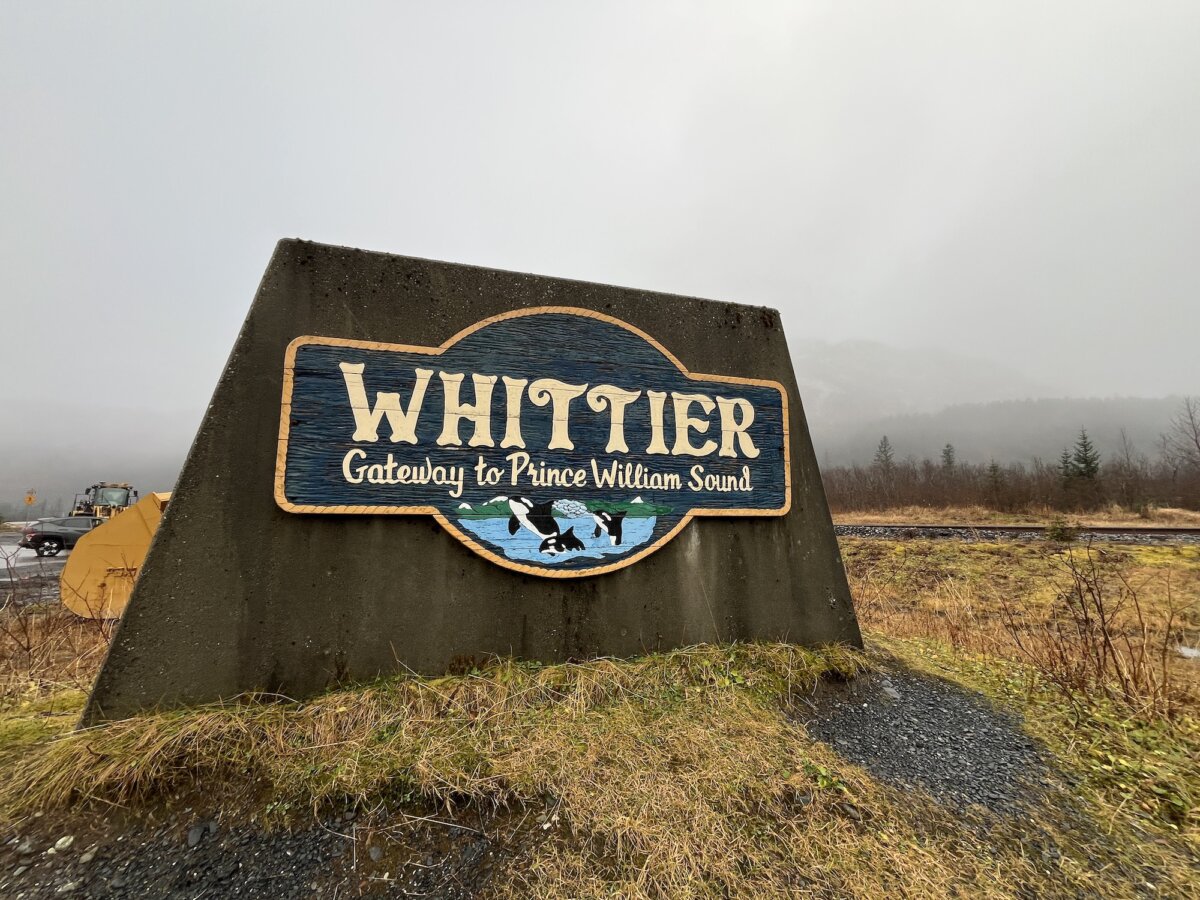
Located at the entrance to the Portage Canal, 58 miles southeast of Anchorage, Whittier is home to 272 year-round residents, according to the 2020 census.
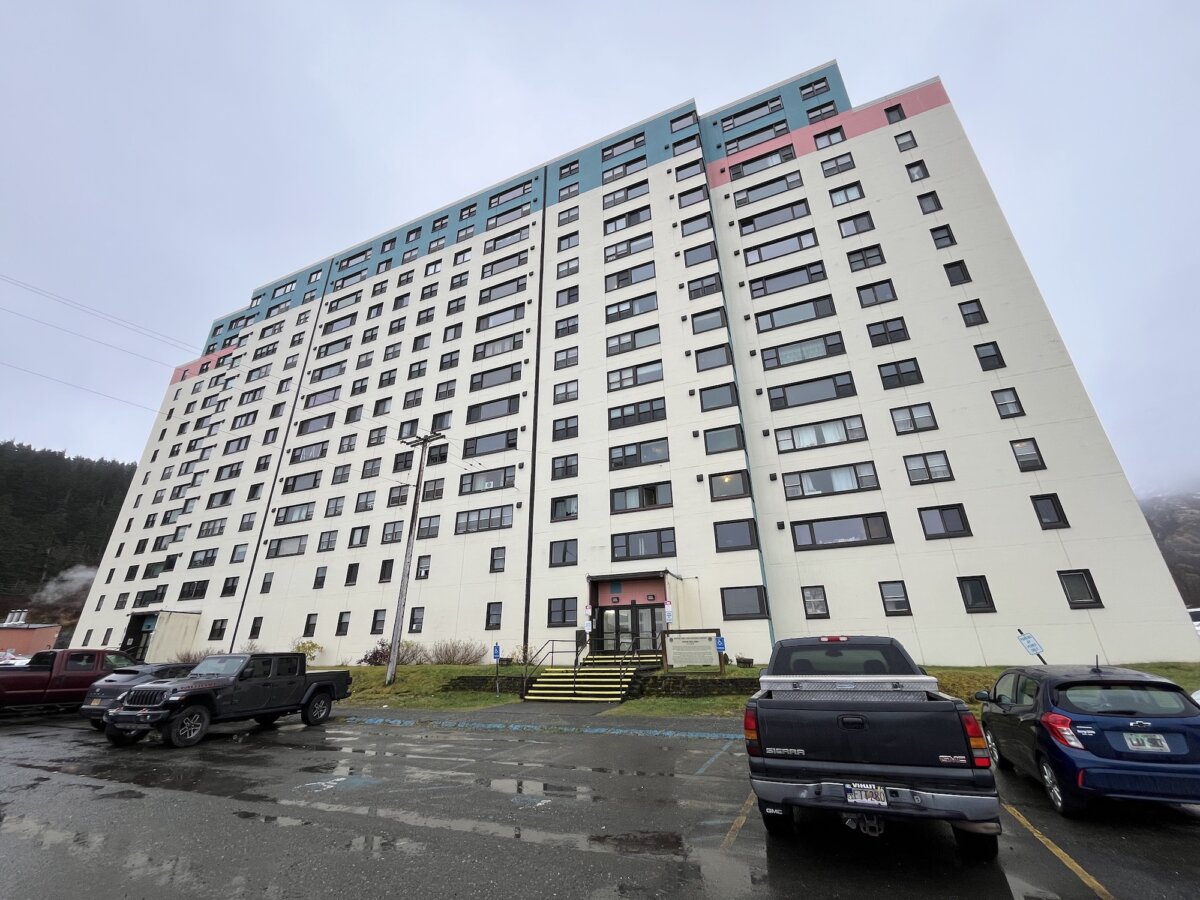
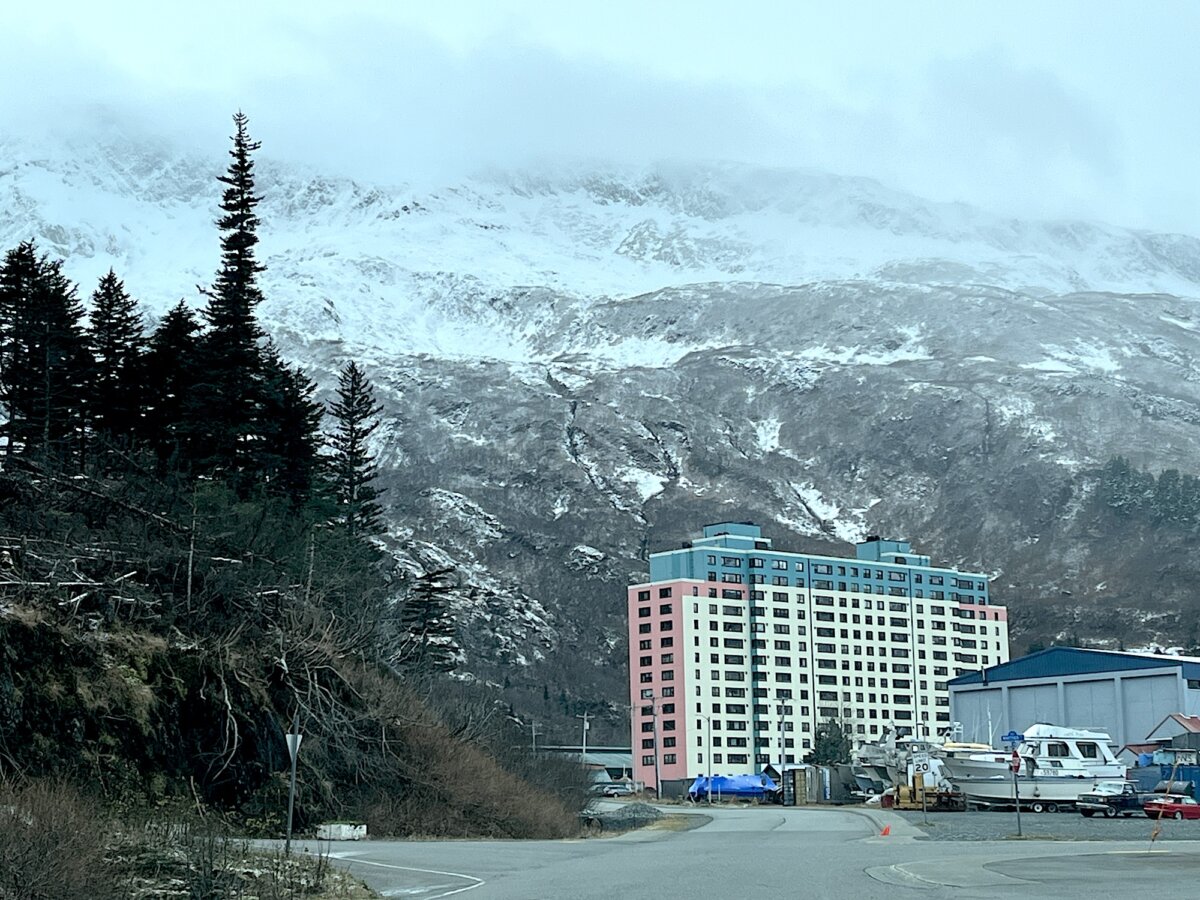
About three-quarters of them live in the same apartment building, called Begich Towers, which is why Whittier is known as the “town under one roof.”
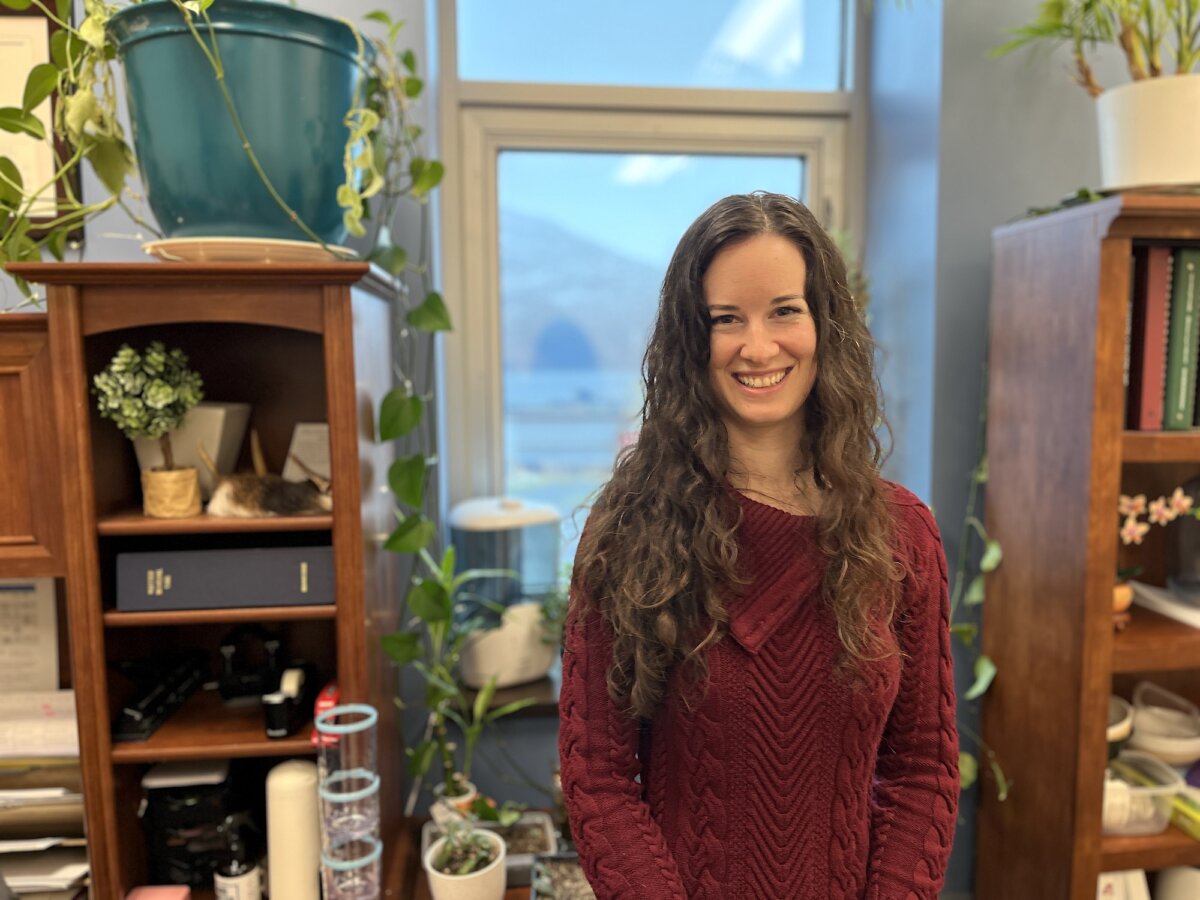
“It’s pretty fun to just walk to your neighbor’s house in your slippers to go have dinner,” City Clerk Shelby Carlson told The Epoch Times.
“When I first moved here, I encouraged my husband to walk to work. We’re only a couple of blocks away.”
Carlson, her husband, and their young son moved from Anchorage to Whittier. Now, they live on the top floor of Begich Towers, where they enjoy the convenience and the friendly, family-oriented atmosphere.
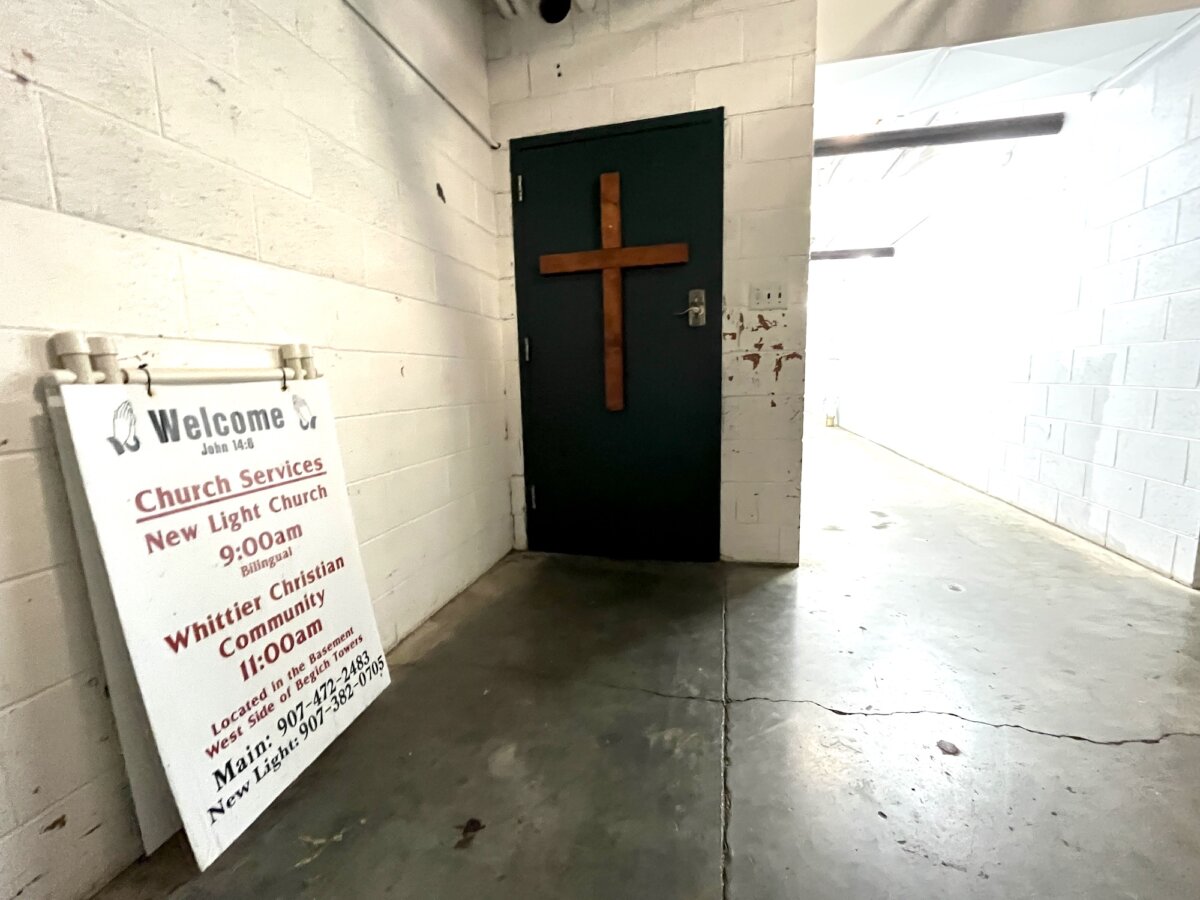
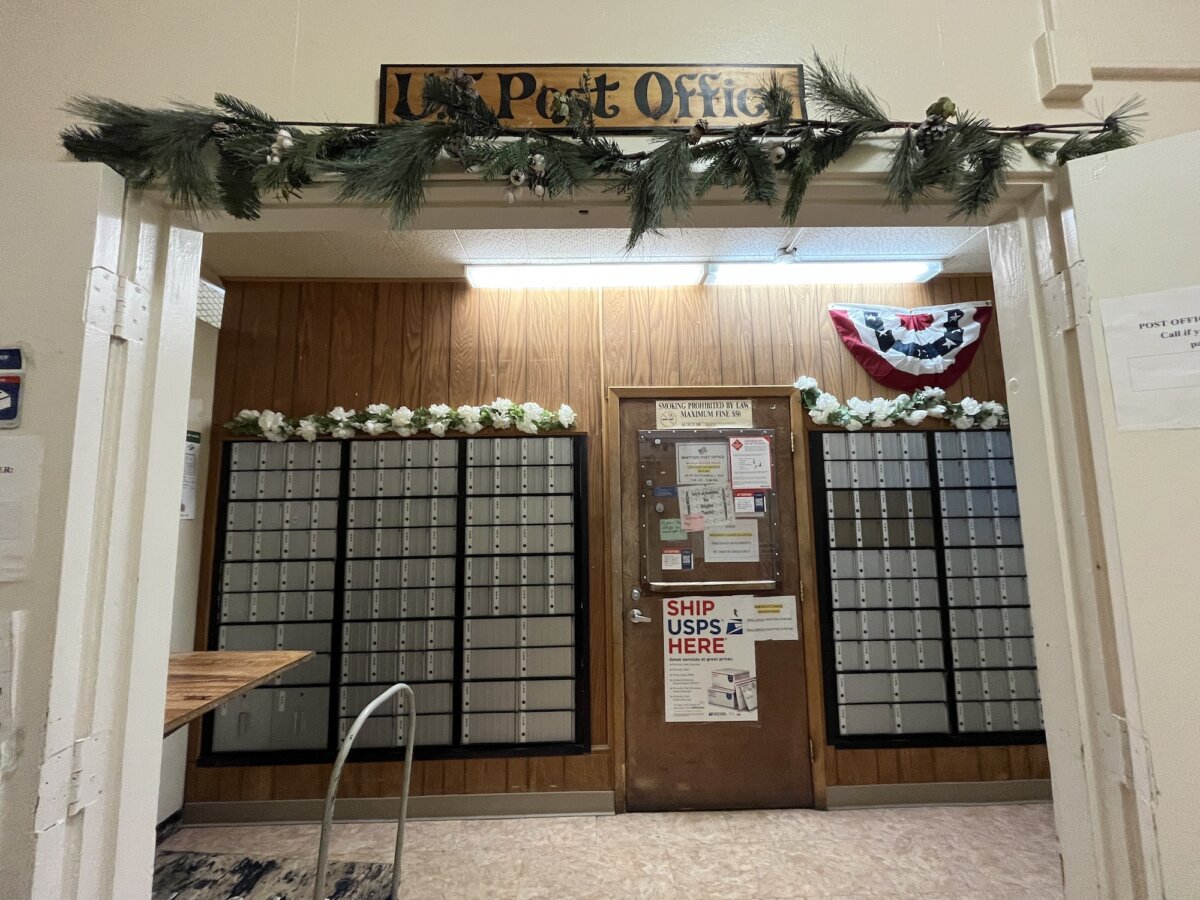
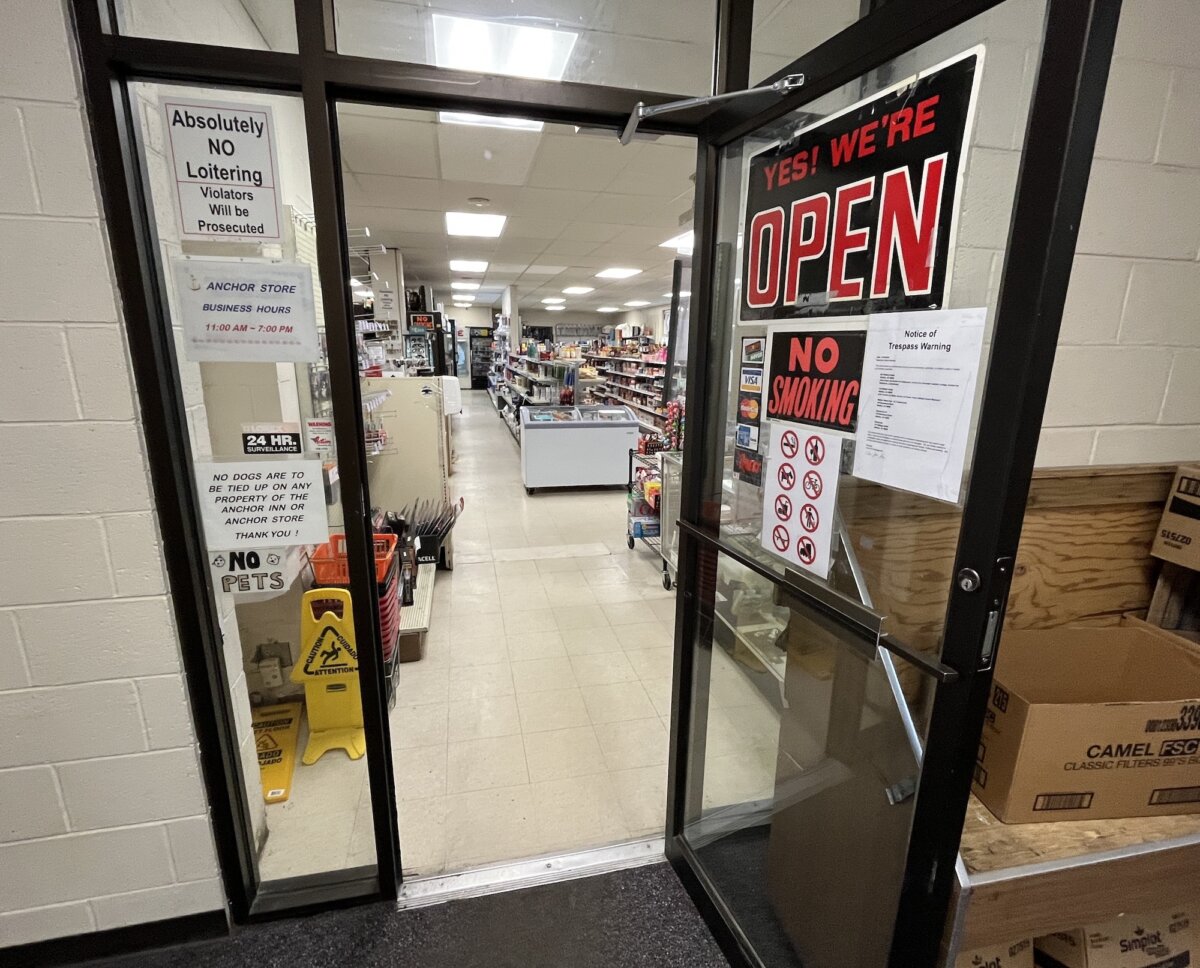
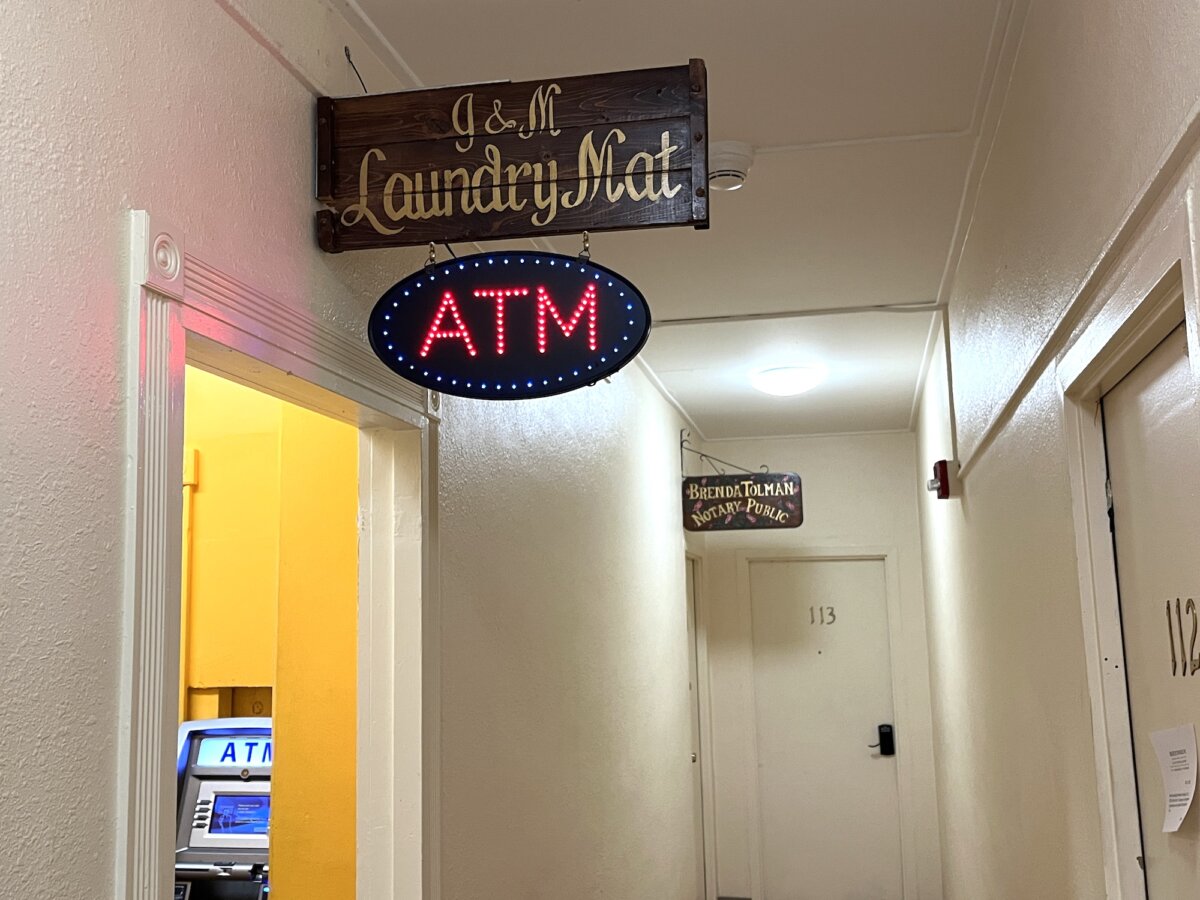
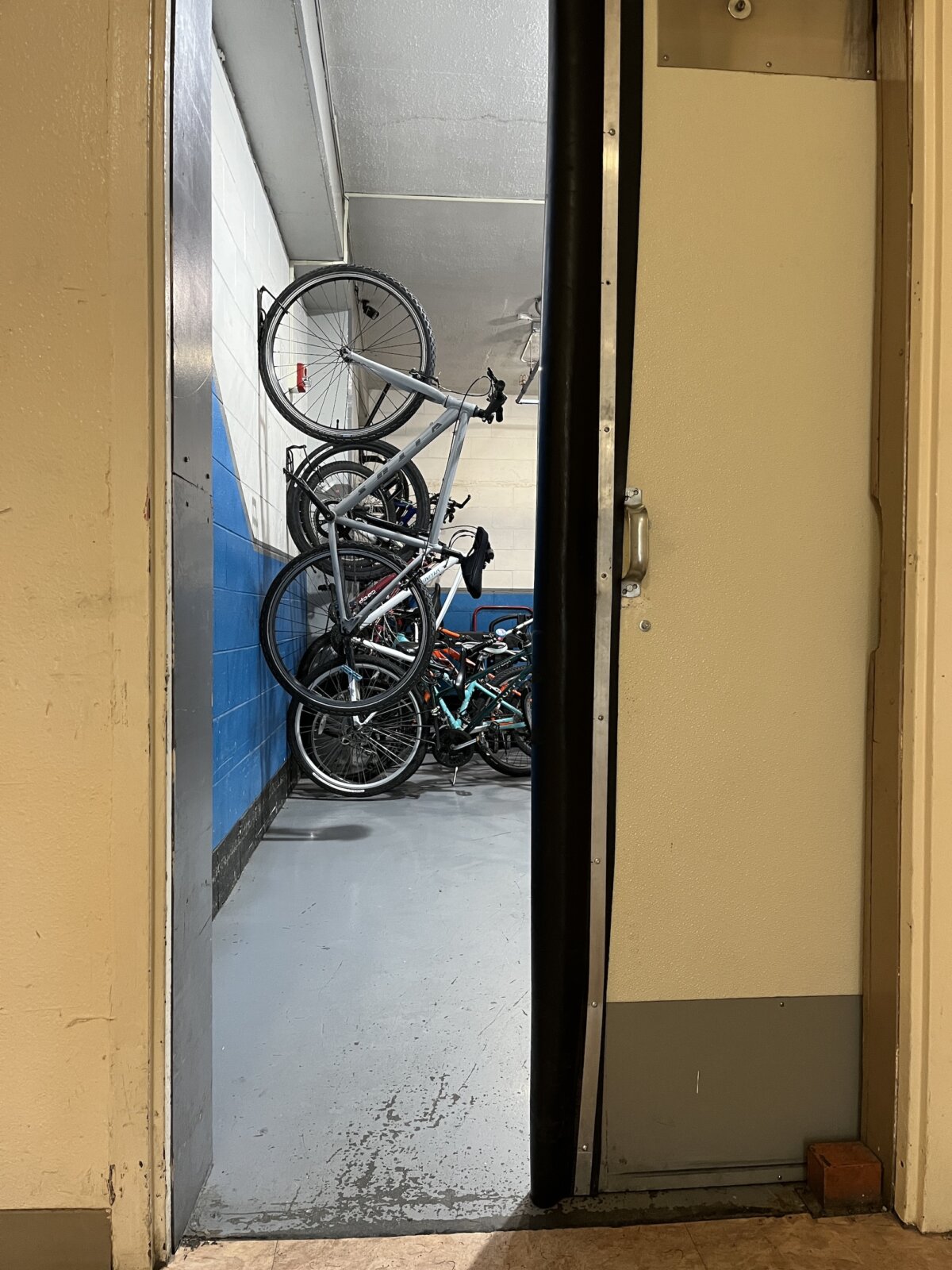
Everything the Carlsons need is close by: school access, work, friends, the ATM, the grocery store, the post office, the laundromat, and even the community church are all in the same building.
“To me, the whole idea is just so different,” Carlson said. “You can absolutely walk everywhere.”
Yet Whittier was never meant to be a single-building apartment community or to resemble the trendy idea of a 15-minute city.
According to Carlson, the city took shape on its own, and now most of its residents live in the one building.
A few other residents live in nearby Whittier Manor, which served as Army officer quarters during World War II.
Northern Exposure
Carlson said she views Whittier as a one-of-a-kind community.
The city is located in the Chugach Mountains of south-central Alaska, spans 20 square miles, and is surrounded by wilderness. Most visitors arrive by land via the Anton Anderson Memorial Tunnel, a 2.5-mile route under Maynard Mountain that opened in 2000.
The city is also accessible by small plane or boat.
Long before the city joined the Chugach Census Area in 2019, the vast coastal region sheltered the Chugach native people, who thrived in Alaska’s unorganized borough near Whittier Glacier.
In the late 1800s, Russian and American explorers ventured into this wild land. Their efforts opened the region to gold seekers during the Klondike Gold Rush, long before Alaska became a state in 1959.
During World War II, the Army recognized the region’s strategic importance and established Camp Sullivan in 1943, developing it into a major military center with its own port and railroad.
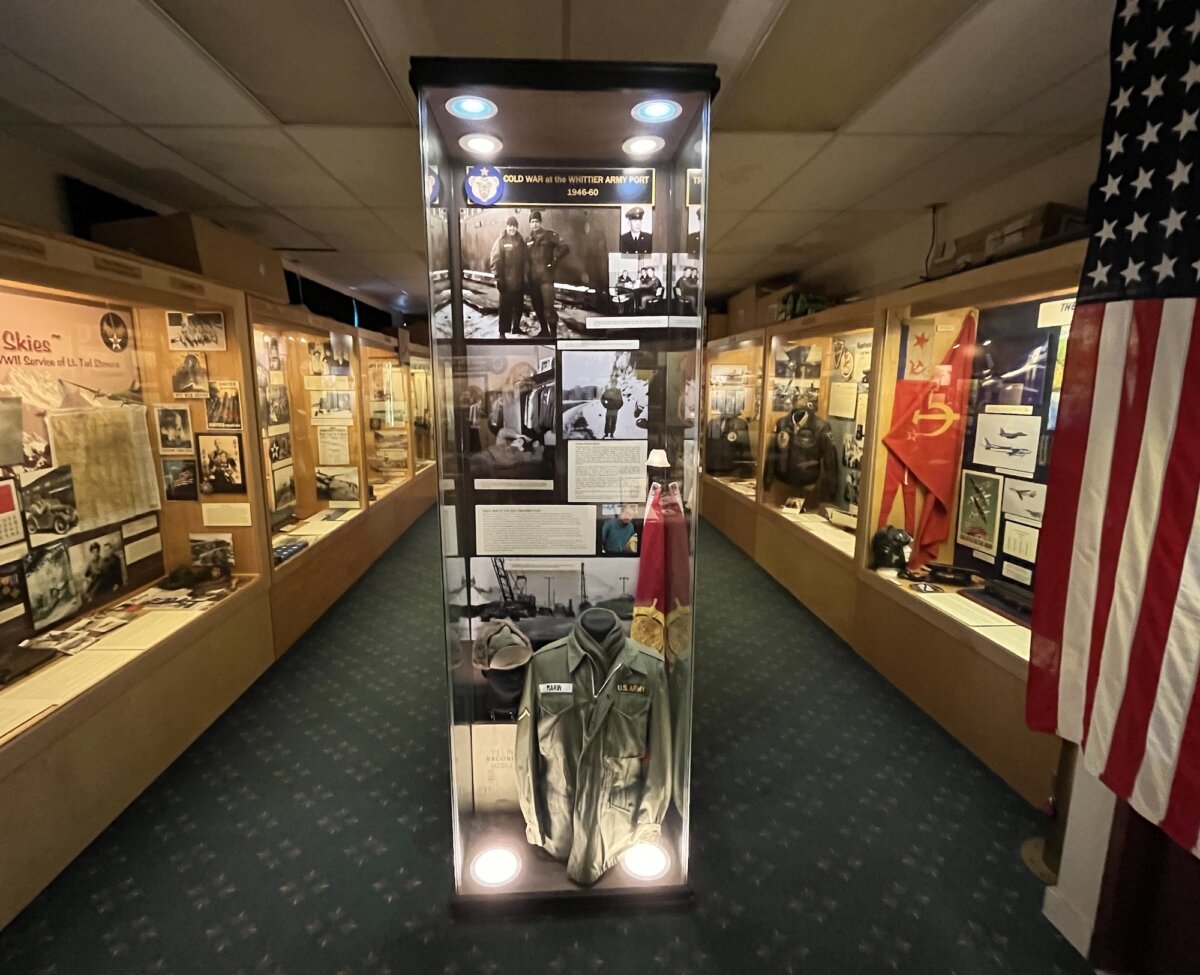
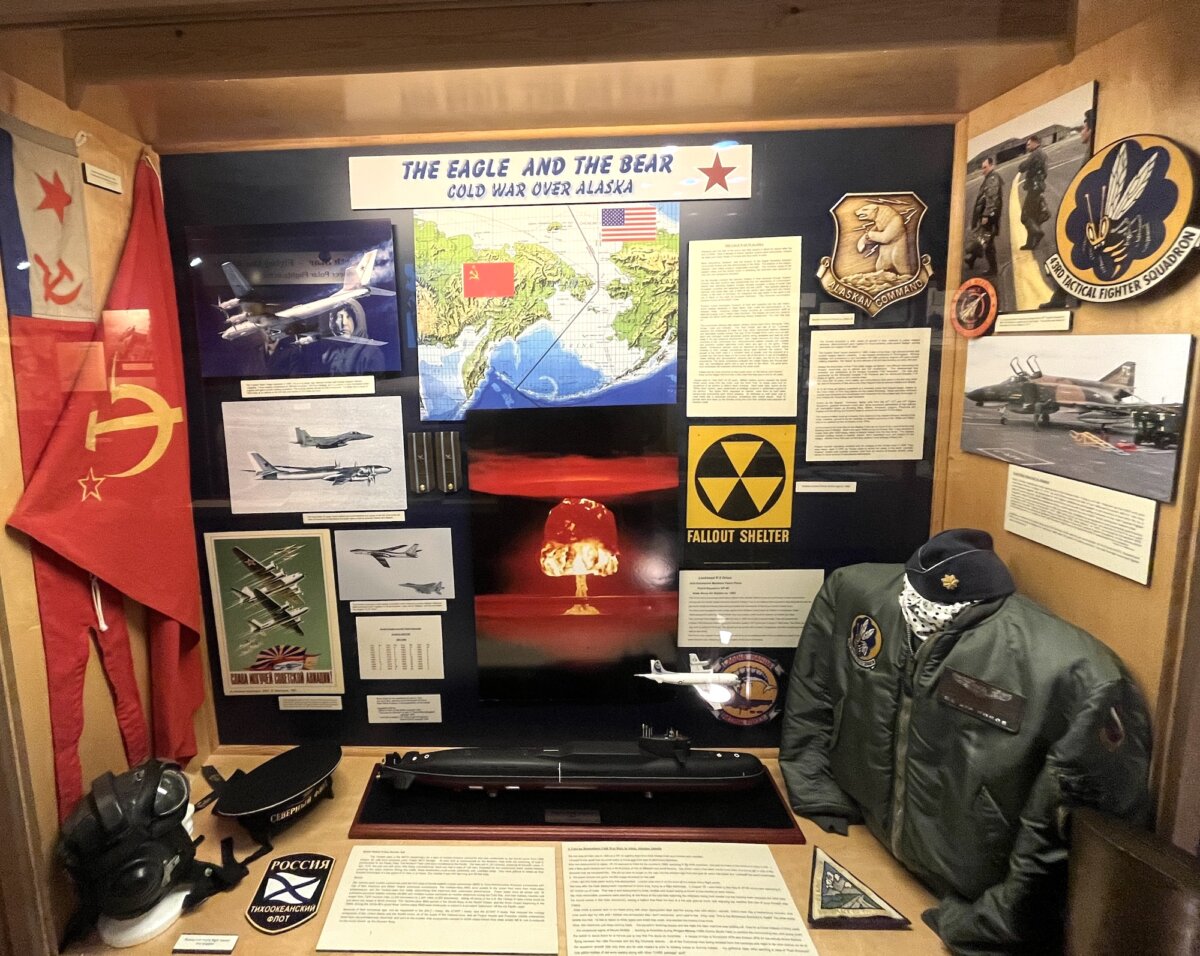
Whittier’s port and original buildings served as an Army facility during the Cold War until 1960.
Today, the city has a small museum that highlights this tense time between the United States and the Soviet Union.
“This place didn’t exist before the military decided that it would be a great deep-water, ice-free port with safe passage to Anchorage,” Carlson said.
Among the standout landmarks to rise was the 14-story Hodge Building, finished in 1957 and eventually known as Begich Towers.
The Buckner Building was finished in 1953 and housed families and civil service employees. It was abandoned after the Good Friday Earthquake and tsunami on March 27, 1964.
The earthquake ranks among the largest in U.S. history. It measured 9.2 on the Richter scale, caused more than $10 million in damage, and resulted in 13 deaths.

The city later faced the environmental effects of the Exxon Valdez oil tanker, which ran aground in Alaska’s Prince William Sound on March 24, 1989, and spilled 11 million gallons of oil.
Whittier took ownership of both residential buildings in 1972.
Begich Towers has 150 apartments, with options from efficiency units to two- and three-bedroom homes.
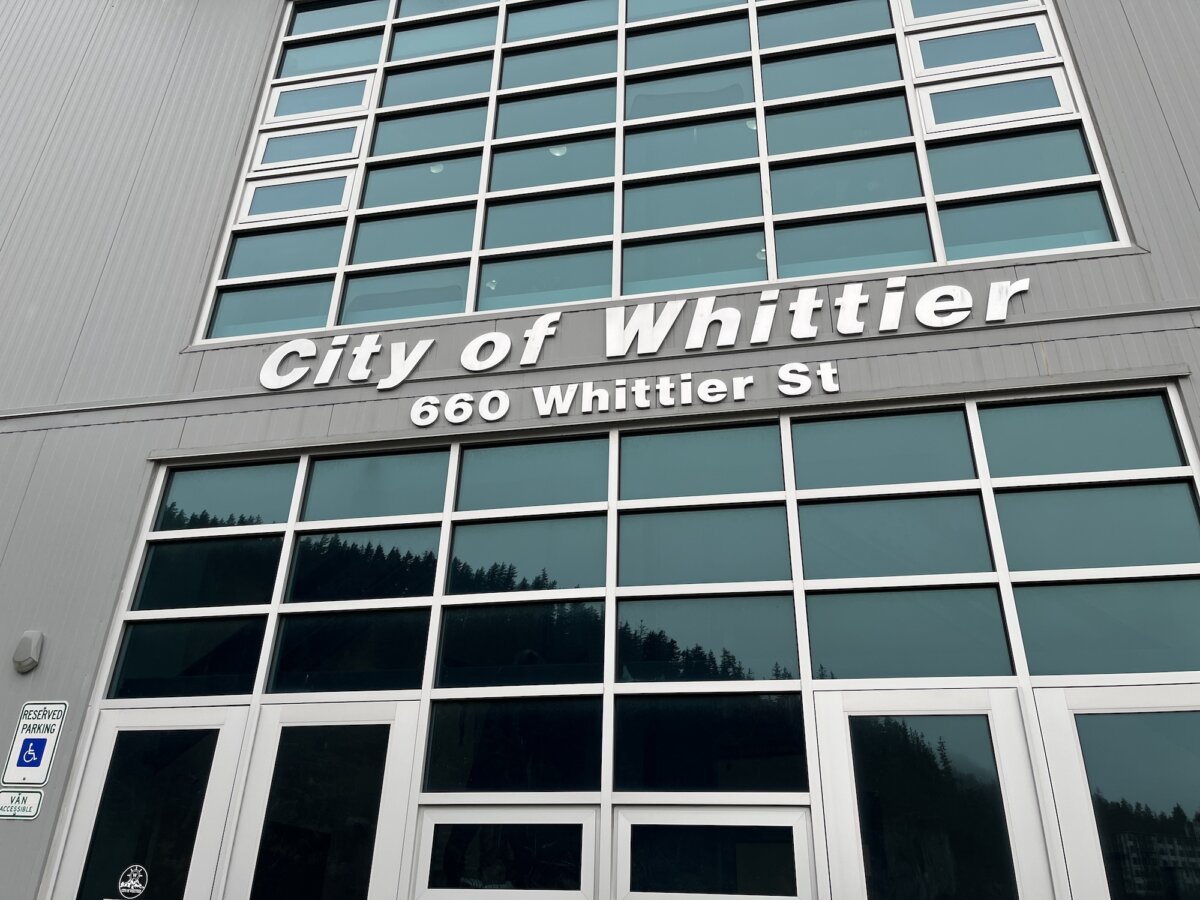
The new city hall was built in 2017 and is located about two blocks from the apartment building. A community school connects to Begich Towers through an underground tunnel.
Carlson said that about 60 students attend the pre-K–12 school. Most years, two seniors graduate, and the school celebrates them with a ceremony in the gym.
“My husband also works for the city, so we go to work together,” she said. “We go home for lunch, and our son comes home also. He goes to school here. We all have lunch together. That’s one of the things that we love about Whittier. We get lots of family time.”
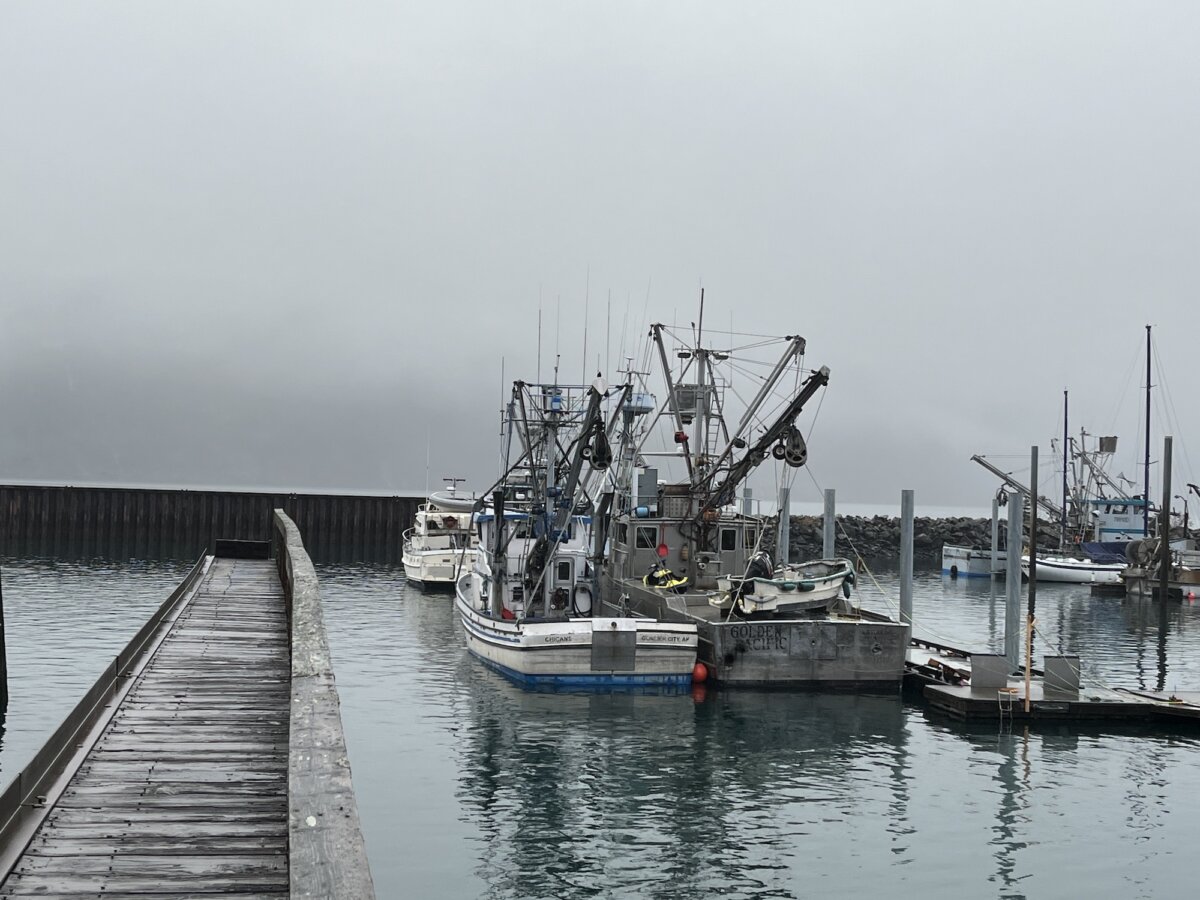
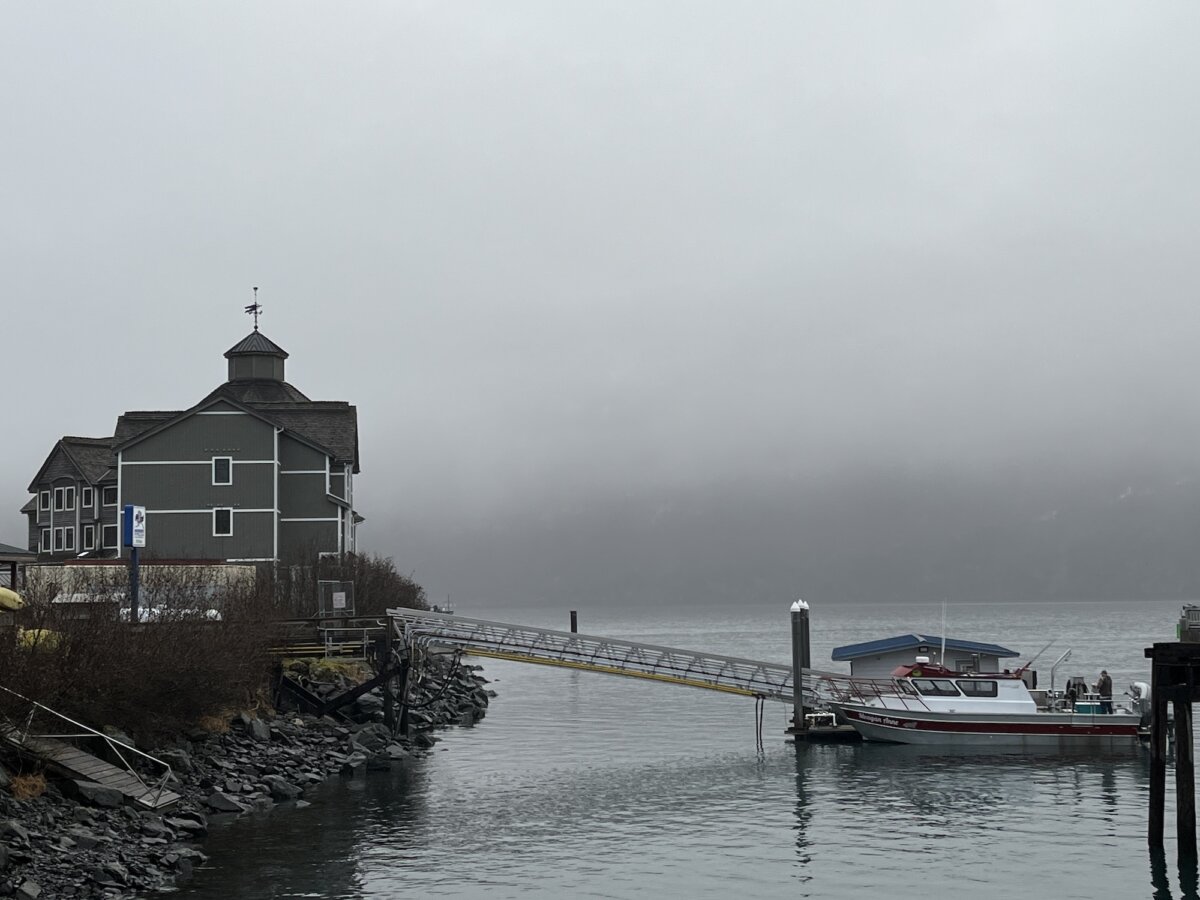
Fishing, canning, and tourism drive the city’s economy. Carlson said the wireless network provides an opportunity for remote work.
With looming mountains and steep terrain, the community has little space to grow and must decide how to adapt with its people.
Whittier’s population grew from about 220 residents in 2010 to 272 in 2020, a 23.64 percent increase.
The city’s 10-Year Capital Improvement Plan is a multimillion-dollar package to upgrade city facilities and transportation, supporting economic growth and recreational opportunities.
Carlson said the Parks and Recreation Committee brings people together by organizing events that encourage everyone to spend time outdoors. These include fun activities such as summer movie nights, winter sledding, and ice skating.
“I love that Whittier is so small. In the summer, we explode [with tourism]. We have seasonal workers, summer cannery workers, tour companies,” Carlson said.
A City Like No Other
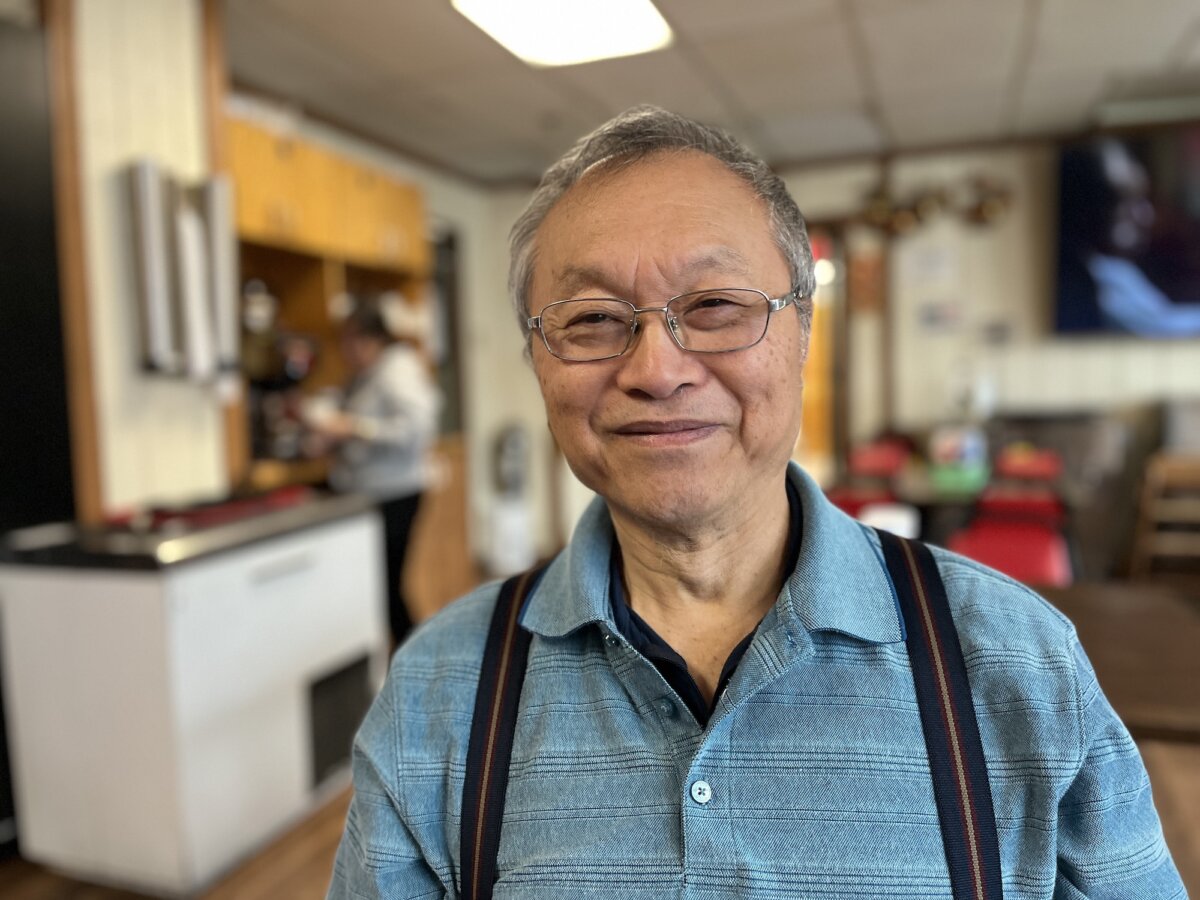
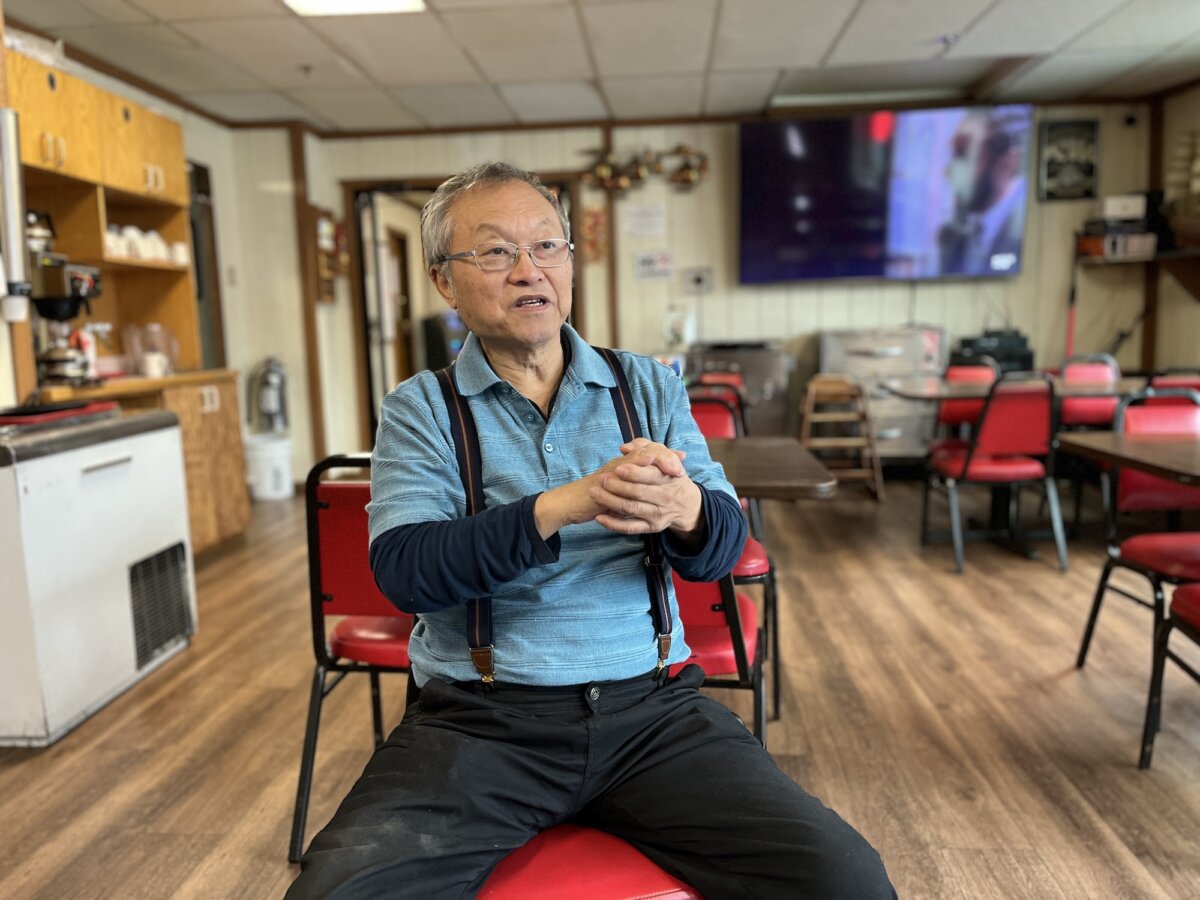
Joe Shen, 73, owner of the Anchor Inn Bar and Lounge, recalled how the government poured resources into Whittier’s military infrastructure during the Cold War, leaving a built legacy when it left.
“When the military and the government really want to do something, they do it,” Shen said. “No matter how much money.”
He said the city isn’t for everyone.
You need to like the bitter cold and wind, the low sun, and the cabin fever that sometimes comes with living far from everything.
And you have to enjoy the snow, and there’s plenty of it, Shen told The Epoch Times.
“You can plow snow, but you don’t have a place to pile snow,” he said.
Carlson said that the city’s quiet charm and close-knit atmosphere attract people seeking both privacy and a sense of belonging.
“Rent is much lower than in Anchorage,” she said. “There aren’t many places to spend money, so you end up saving a lot.”
“You live in a building with all these other people, right? You’d think that it would just be like, so loud, but it’s not,” Carlson said.
She said she feels lucky to live in a unit at the far end of the building on the top floor.
“We don’t have anyone above us,” she said. “Our neighbors are really quiet. We just have one that we share a wall with.”
Perhaps the sweetest perk is that her daily commute takes less than five minutes and a few hundred steps.
“So I end up being here [at City Hall] a lot in the evening. When I’m not, we just hang out at home with my family,” Carlson said.
Gurung said she likes the peace she has found in Whittier and that she doesn’t miss the hectic life she had in Los Angeles.
“I have my own place. It’s cheaper, there’s no traffic, and I don’t have to deal with the I-405,” said Gurung, who lives in a cozy seventh-floor unit with a mountain view.
“There’s so much space up here, with healthy, clean air,” Gurung said.
Gurung quipped that Whittier may lack her beloved Whole Foods, but she’s confident she’ll make it through just fine.
 Friends Read Free
Copy
Facebook
Tweet
Friends Read Free
Copy
Facebook
Tweet