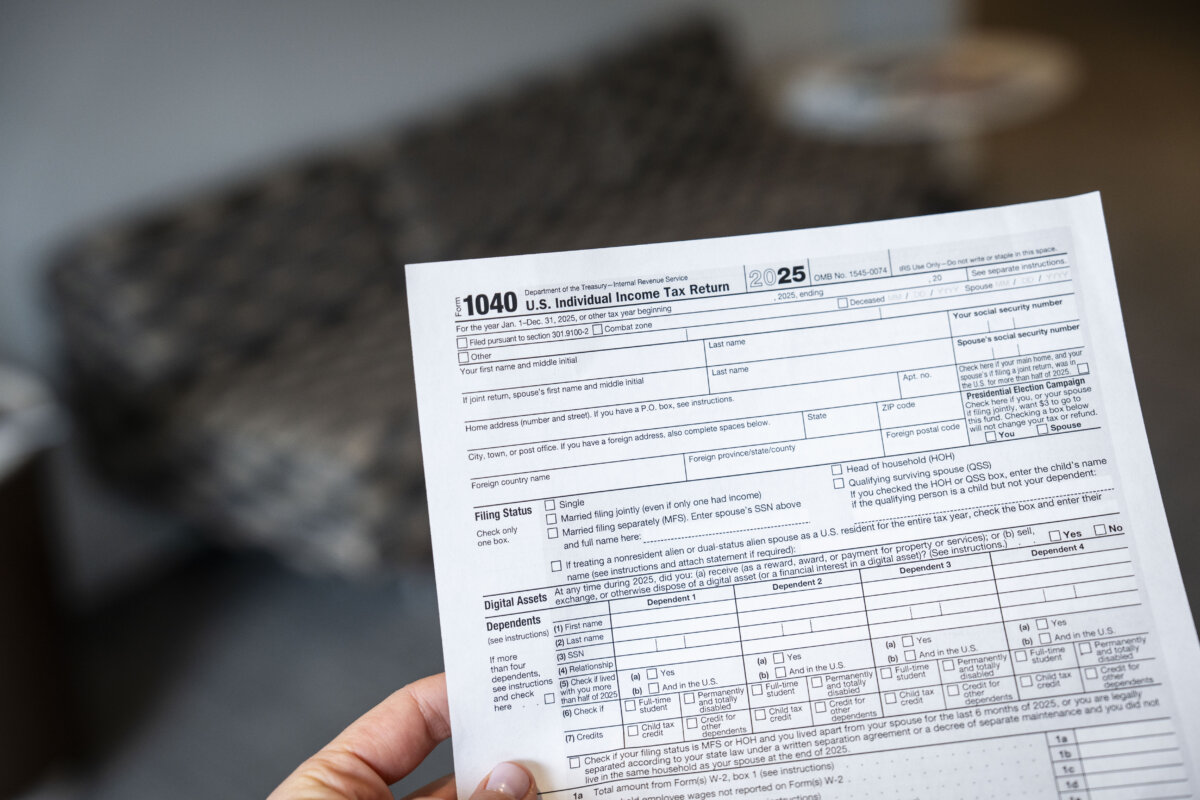

Several groups this week warned of an uptick of tax season-related scams and fraudulent schemes, with criminals using techniques to impersonate the Internal Revenue Service or private companies to gain taxpayers’ sensitive data as tax season ramps up.
In 2024, tax scams resulted in more $789 million in reported losses to government impostor schemes, with scammers using a variety of methods, such as phishing or smishing attacks, phone calls, and other measures, to steal money or identities from people, according to a report from the Federal Trade Commission.
Tax Scams on the Rise
The Better Business Bureau (BBB) said in a report last week that it has seen a rise in “tax company impostor scams” targeting people across the United States.
Citing consumer reports, the BBB said scammers have posed as tax relief or tax collection companies with names such as “American Tax Consultants,” “US Tax Relief,” “Tax Relief Group,” and “Tax Resolution Oversight Department,” among others.
“In many cases, legitimate businesses or organizations do exist with similar names and provide lawful tax preparation or filing services,” the group said in a news release on Feb. 11. “However, the scam operations are not affiliated with those businesses and may be falsely using their names as impostors.”
American Tax Consultants, which is a real company, told the BBB that its “business name is being used without authorization and that they do not engage in tax collection activities and will never contact consumers to request payment for back taxes.”
IRS Usually Communicates via Mail First
The National Taxpayers Union, in a warning on Feb. 18, said that the IRS will contact a taxpayer through the mail if there is a problem with their tax return and will not make any demands to pay immediately.
“If someone is rushing you, threatening you, or demanding you pay right now, stop. That’s not how real tax agencies work. It’s almost always a scam,” it said.
According to an IRS webpage on scams and fraud, the IRS will never send a message to a taxpayer through social media or text messages and will never email a person without their permission.
Be Wary of Urgent Demands, Other ‘Red Flags’
The IRS and the taxpayer union advises people to not click on any links or download or open any attached files in emails. If the message appears to be suspicious or of dubious origin, consumers are advised to send the email to phishing@irs.gov or report it to the Treasury Inspector General.
The IRS, in some cases, may call a person to address their account. However, the IRS won’t demand a payment urgently in a phone call, threaten a person with arrest, or inform them of a pending refund, according to its website.
However, the National Taxpayers Union says that the IRS or a state tax office will not contact a person with messages including language such as “account seizure,” “final notice,” “law enforcement action,” or something similar.
Tax agencies also won’t demand a payment through cryptocurrency, payment apps, gift cards, or wire transfers, the union says. People should be wary of links to websites asking to verify tax or bank details, if a message comes in an unsolicited email or text message, or pressures a person to act quickly.
Seniors group AARP, formerly the American Association of Retired Persons, said in an article this week that “impostor scams often begin with a robocall instructing” people to press a number on their phone to speak with a live person or call back using the number provided in the message.
Some scammers can use artificial intelligence to create realistic images or videos of government workers to make demands, the group also warned.
More Users Reporting IRS Scams
According to the BBB, scammers will often use fake agent names, direct phone numbers, fake case ID numbers, or “resolution departments” to make them sound official.
In recent days and on Friday, users have reported alleged scam phone calls they’ve received through the BBB website, detailing the tactics fraudsters are using. The Epoch Times could not verify the authenticity of the claims posted on the website.
This week, several users wrote in submissions to the BBB that they received a voicemail from an individual who works with a so-called “special resolution unit” or “IRS special resolutions” and who is “reaching out about a tax matter that’s both time sensitive and important” before making a plea for the victim to call the number back.
“I’ve been checking through some files that got flagged before the 2026 IRS deadline, and yours is still showing a few unresolved items,” the message said, according to the submission.
Another message includes the text: “I really need to speak with you before your file moves into final collections. Please give me a call back when you can.” It then includes a phone number and a warning that the issue may get “passed on to collections,” according to a submission to the BBB.
Tax filing season started in late January and ends on April 15, 2026.
 Friends Read Free
Copy
Facebook
Tweet
Friends Read Free
Copy
Facebook
Tweet