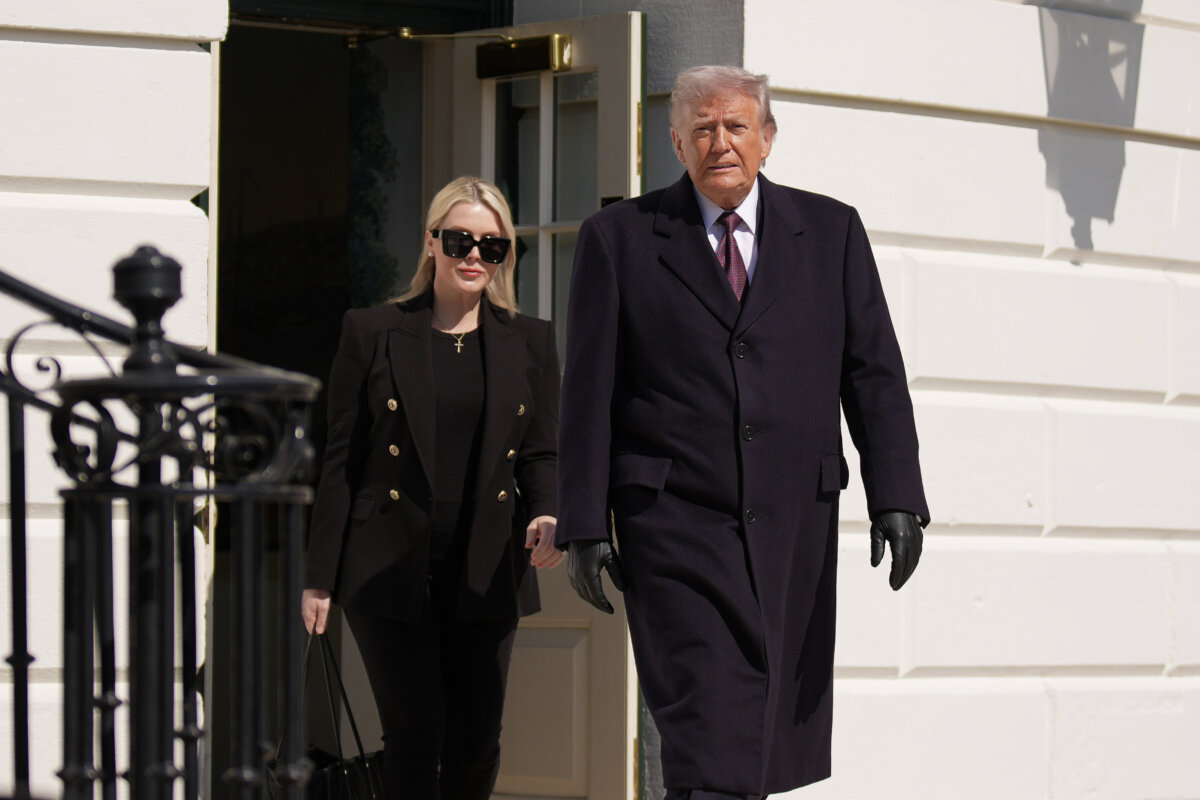

WASHINGTON—U.S. President Donald Trump said on Feb. 27 that Cuba faces significant challenges and floated the possibility of a “friendly takeover” of the island by the United States.
“The Cuban government is talking with us,” Trump told reporters on the South Lawn of the White House as he left for a trip to Texas. “They’re in a big deal of trouble.
“We could very well end up having a friendly takeover of Cuba after many, many years. We’ve had a lot of years of dealing with Cuba. I’ve been hearing about Cuba since I’m a little boy.”
Trump said U.S. Secretary of State Marco Rubio was in discussions with Cuban leaders “at a very high level.”
“They have no money, they have no oil, they have no food, and it’s really right now a nation in deep trouble, and they want our help,” Trump said.
Cuba has been going through its worst economic crisis in decades for almost a year and a half, largely because of a collapse in energy supplies. The country depended on oil from Venezuela, but those shipments stopped after former Venezuelan leader Nicolás Maduro was removed from power earlier this year, which made the crisis worse. Imports from Mexico also ended when Trump ordered tariffs on countries that supplied oil to Cuba. Severe fuel shortages have led to frequent blackouts and disrupted transportation. The country is also dealing with widespread shortages of food and medicine.
Increased pressure from the Trump administration could lead to the fall of the communist regime that has been in place since 1959.
During a Senate Foreign Relations Committee hearing on Jan. 28, Sen. Brian Schatz (D-Hawaii) asked Rubio whether he “would make a public commitment” that the United States would not get involved in changing the Cuban regime.
Rubio responded: “Oh, no. I think we would like to see the regime there change. That doesn’t mean that we’re going to make a change, but we would love to see a change.”
He said a change in Cuba’s regime “would be of great benefit to the United States.”
Rubio also referenced the Helms–Burton Act of 1996, which requires a democratic transition in Cuba before a U.S. president can normalize relations.
“It was codified in law, and it requires regime change in order for us to lift the embargo,” Rubio said.
On Feb. 25, Cuban officials said the country’s coast guard had killed four people and injured six in an exchange of gunfire with a U.S.-registered boat that entered its waters from Florida. According to the officials, the speedboat was carrying 10 armed Cuban exiles from the United States, who fired at soldiers off the island’s north coast.
Cuban Deputy Minister of Foreign Affairs Carlos Fernández de Cossío said on Feb. 26 that Havana is communicating with U.S. officials about the incident.
Fernández de Cossío said that the Cuban government is eager to exchange information with the United States regarding the individuals on the boat and their preparations before entering Cuban waters. He said the U.S. government has shown willingness “to cooperate in clarifying the facts.”
 Friends Read Free
Copy
Facebook
Tweet
Friends Read Free
Copy
Facebook
Tweet