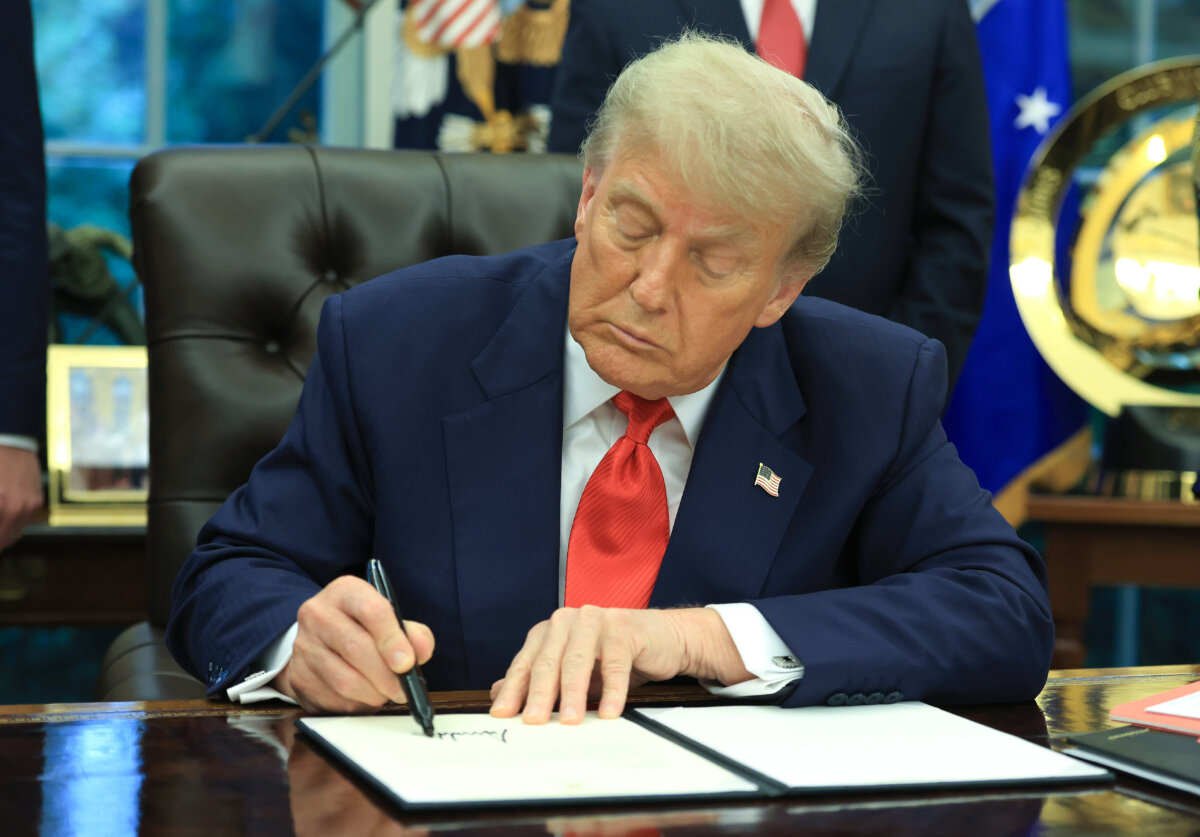

President Donald Trump will host the leaders of Rwanda and the Democratic Republic of Congo (DRC) on Dec. 4 to sign a peace agreement reached earlier this year, the White House said.
The agreement, dubbed the “Washington Accords,” was signed by both nations’ foreign ministers in June. The meeting is also expected to build on the economic framework outlined in August and November for regional economic integration.
Both countries have agreed to respect each other’s borders, commit to not supporting any armed groups, and focus on growing trade and investment opportunities in the region. They will also cooperate to establish a joint security apparatus to neutralize future efforts by warring militias.
The conflict between the DRC and Rwanda in the eastern Congo came after the 1994 Rwandan genocide, when millions of Hutu militants and refugees, including those responsible for the acts of genocide in Rwanda, fled into the eastern Congo, from where they launched attacks into Rwanda.
Conflict in the region had been dragging on for 30 years, with millions of lives lost in central Africa and millions of others displaced.
“At least 6 million people were killed during that period of time,” Trump said. “It’s incredible. And somebody said that was, actually, it’s the biggest war on the planet since World War II. So that’s … a shame, but we’re going to bring it to an end.”
It’s a “tremendous breakthrough,” he said of the peace agreement.
Congolese Foreign Minister Therese Kayikwamba Wagner said at the time: “This moment has been long in coming. It will not erase the pain, but it can begin to restore what conflict has robbed many women, men, and children of: safety, dignity, and a sense of future.”
Rwandan Minister of Foreign Affairs Olivier Nduhungirehe said the agreement was a “remarkable milestone.”
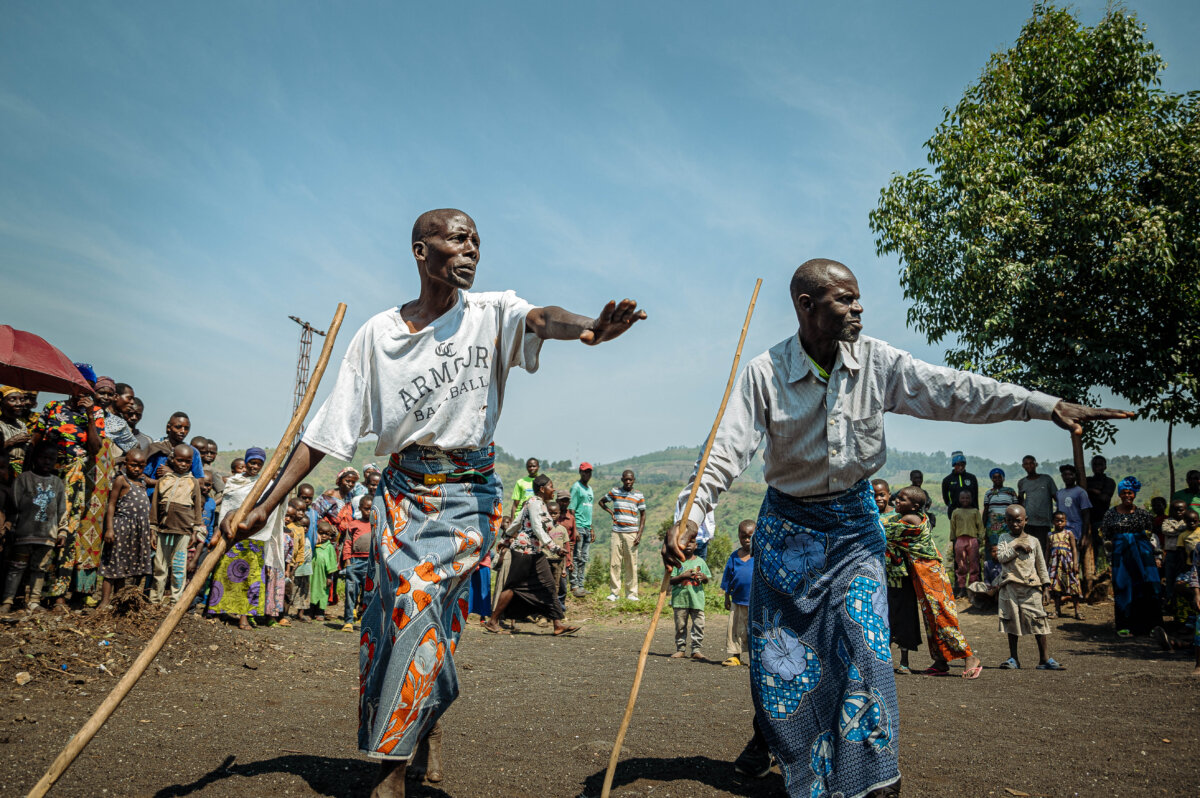
The Trump administration became involved after the Rwanda-backed M23 rebel group staged a lightning advance in the eastern Congo in January, seizing two of the largest cities in the region and raising fears of a wider war.
In February, the State Department sanctioned Rwandan Minister of State for Regional Integration James Kabarebe and M23 spokesperson Lawrence Kanyuka Kingston, along with his companies Kingston Fresh and Kingston Holding, for allegedly contributing to the violence.
An initial declaration outlining a pathway to peace and integrated economic development of the Great Lakes region in the eastern Congo was reached in April, bringing an end to the brewing conflict.
On July 19, Qatar facilitated the signing of a declaration between the DRC government and the M23 rebel group, solidifying the mutual agreement for regional peace among the main actors in the region. Other rebel factions were also included in the rounds of negotiations mediated by Qatar.
Rubio said in April that the deal for durable peace would open the door for “greater U.S. and broader Western investment” to bring economic opportunities for the people in the region.
“It’s, as they call it, a win-win for everyone involved – for the United States, for the Democratic Republic of Congo, and for Rwanda,” he said.
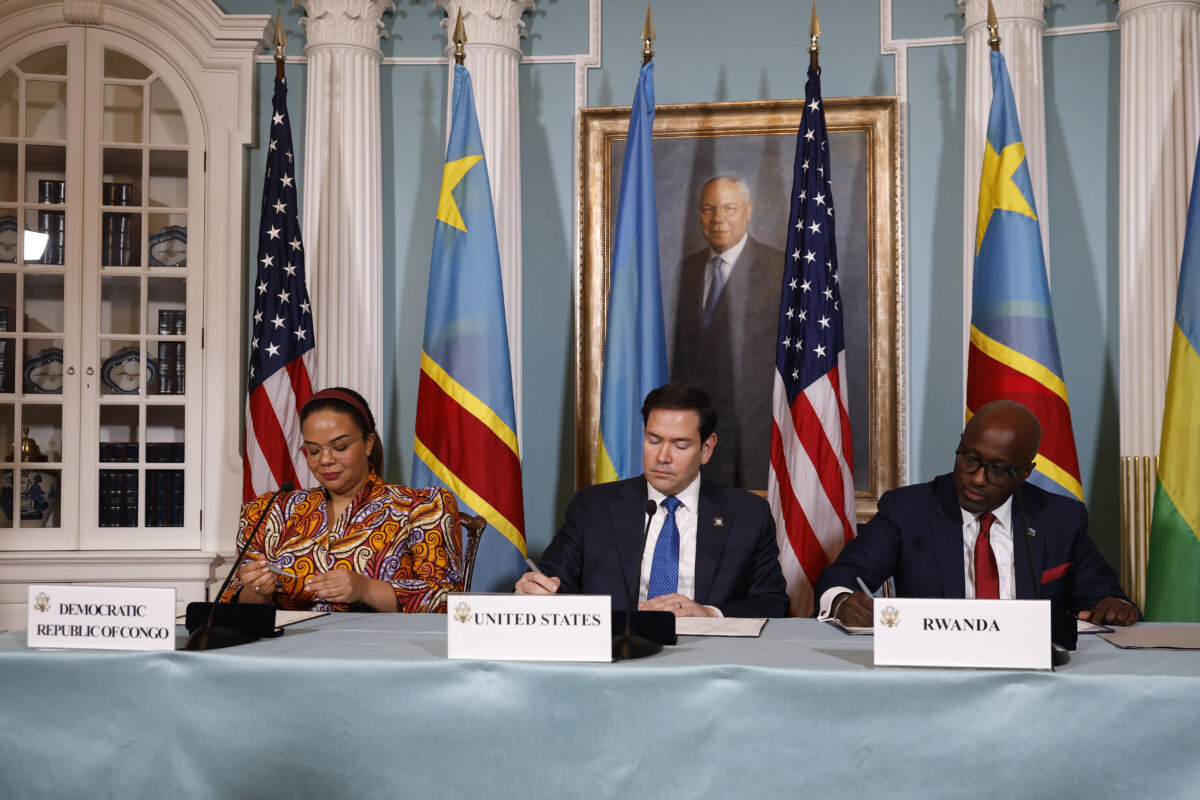
“Our firms are good corporate citizens, American firms, and they’ll bring good governance and ensure responsible, reliable supply chains for things like critical minerals that benefit regional governments and our partners and allies as well.”
Wagner said at the time that the DRC was “encouraged by U.S.-backed initiatives that promote secure mineral value chains and inclusive economic growth.”
“These efforts reaffirm that peace and prosperity are inseparable,” she said. “Each step towards stability is a step towards dignity, jobs, and schools. This is the promise of responsible investment and a principle partnership with the DRC, a country not only emerging from conflict but also at the core of finding solutions to global challenges.”
Both the DRC and Rwanda gained their independence from Belgium in the early 1960s, but faced significant political instability and conflict post-independence.
Reuters contributed to this report.
 Friends Read Free
Copy
Facebook
Tweet
Friends Read Free
Copy
Facebook
Tweet