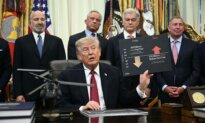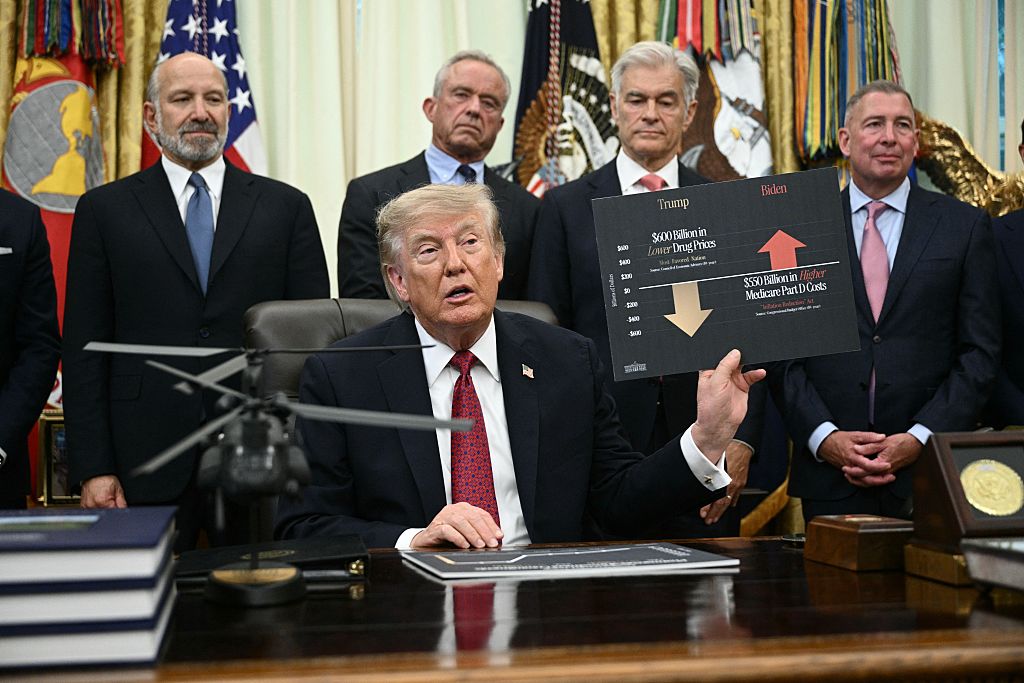

President Donald Trump on Aug. 31 announced agreements with nine midsize pharmaceutical companies to reduce drug prices for American patients.
Drugmakers including Alcon, Astellas Pharma, BeOne Medicines, BridgeBio, CSL, Kyowa Kirin, Sun Pharma, Teva Pharmaceuticals, and UCB have agreed to the voluntary deals and will lower prices for life-saving medicines used to treat seizures, bacterial infections, high blood pressure, organ failure, and rare diseases.
The new agreements align with the most-favored-nation drug pricing framework to bring down U.S. drug prices in line with other developed countries. In exchange, the companies would secure tariff relief.
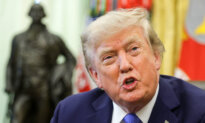
“Under that most-favored-nation agreement, we now pay the lowest price paid by other countries anywhere in the world,” President Donald Trump said from the Oval Office when he announced the deals.
The companies have agreed to offer drugs at the most-favored-nation prices to state Medicaid programs, which could save taxpayers billions of dollars, according to a White House statement.
Additionally, the agreements guarantee most-favored-nation prices for all new innovative medicines the nine companies bring to market, ensuring foreign nations can “no longer use price controls to freeride on American innovation,” according to the statement.
Executives of the nine drug manufacturers expressed commitment to reduce pricing and contribute to U.S. drug manufacturing and innovation.
There are 30,000 rare diseases in the world, and only 10 percent of those diseases have treatments, according to Steve Schaefer, president of Kyowa Kirin, which has expertise in making cures for such diseases. He said only 5 percent of the drugs Kyowa Kirin manufactures in the United States are for Americans.
“We are bringing our manufacturing onshore,” Schaefer said. “In the next two years, over 95 percent of drugs that are manufactured in the United States will be for American patients.
BeOne Medicines will provide one of its oncology medicines to Medicaid at a deeply reduced price, Chairman John Oyler said. The company will invest nearly $11 billion in U.S. research, development, and manufacturing through 2029 to help strengthen America’s leadership in biopharmaceutical innovation.
When asked to contrast the government-paid Medicare-for-all proposal with the approach of private companies lowering prices, Trump told NTD, sister media of The Epoch Times: “This is much bigger, much better, much less expensive, and it’s something that works. The other doesn’t work, and you know when you talk Medicare for all, usually that’s the entire budget of the whole country. So you’d have to quadruple taxes.”
In an Aug. 17 press release, the White House said 17 of the world’s largest drugmakers including Pfizer and Eli Lilly—covering about 86 percent of the brand-name drug market—had agreed to the most-favored-nation pricing.
With Monday’s announcement, these 26 companies, representing nearly 90 percent of the domestic pharmaceutical market, are projected to save Americans more than $600 billion over 10 years, according to Trump.
“And the other 10 percent are also coming in. They have no choice,” he added.
In July, the Consumer Price Index for prescription drugs decreased 0.8 percent, marking the largest annual decline since 1963, according to the Aug. 17 statement.
The TrumpRx platform, which offers reduced prices on more than 840 brand-name and generic medications from the 17 largest pharmaceutical companies, has generated $700 million in cost savings since it launched in February, the White House stated.
 Friends Read Free
Copy
Facebook
Tweet
Friends Read Free
Copy
Facebook
Tweet