
The U.S. State Department issued travel advisory updates for Turkey and Azerbaijan this week, warning that U.S. travelers risk their safety when visiting these countries.
The risk of terror attacks in Turkey, including against U.S. citizens and interests, “remains high,” the department stated. Terrorists have previously attacked the U.S. Consulate General in Istanbul, the U.S. Embassy in Ankara, and the U.S. Consulate in Adana.
Turkey has been designated with a “Level 2: Exercise Increased Caution” travel label.
“Exercise increased caution to Turkiye due to terrorism, armed conflict, and arbitrary detentions. Exercise caution in crowded public spaces including transportation hubs, markets, malls, government buildings, hotels, restaurants, clubs, places of worship, educational institutions, parks, airports, and major events,” the department stated in an April 28 update for Turkey.
“Reconsider travel to southeast Turkiye due to risk of armed conflict. Do not travel to the border region with Syria and Iraq due to risk of terrorism and armed conflict.”
Last month, the State Department ordered all U.S. government employees and family members to leave the Adana consulate because of safety risks.
According to the department’s Country Reports on Terrorism 2023, terror outfits such as ISIS, Revolutionary People’s Liberation Party/Front, and Kurdistan Workers’ Party operate in the country.
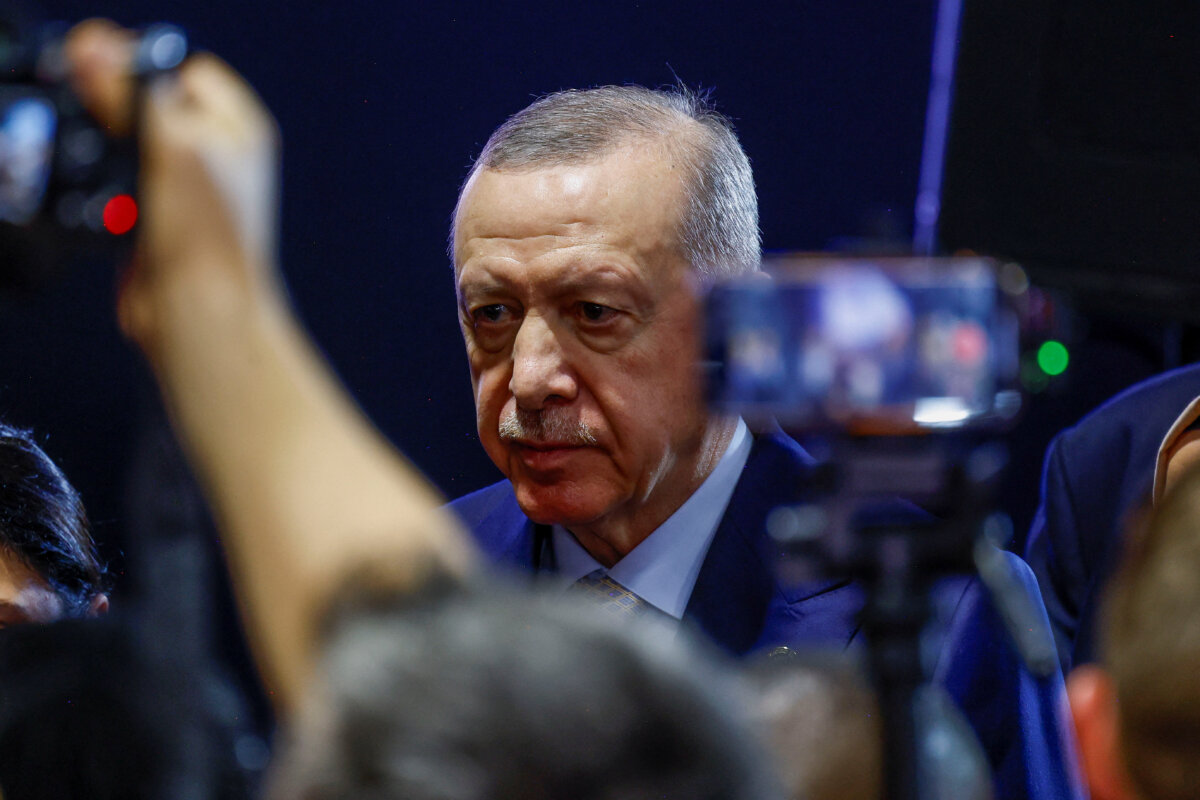
In January, U.S. President Donald Trump held a phone call with Turkish President Recep Tayyip Erdogan to discuss bilateral and regional issues. One of the talking points was the effort to combat ISIS and the situation regarding ISIS members housed in Syrian prisons.
While the overall street crime in Turkey is low, pick-pocketing, mugging, and scams have been reported, the State Department said in the update. Sexual assault has occurred in Turkish baths and spas, as well as in taxis. Some of the assaults involved the use of date-rape drugs.
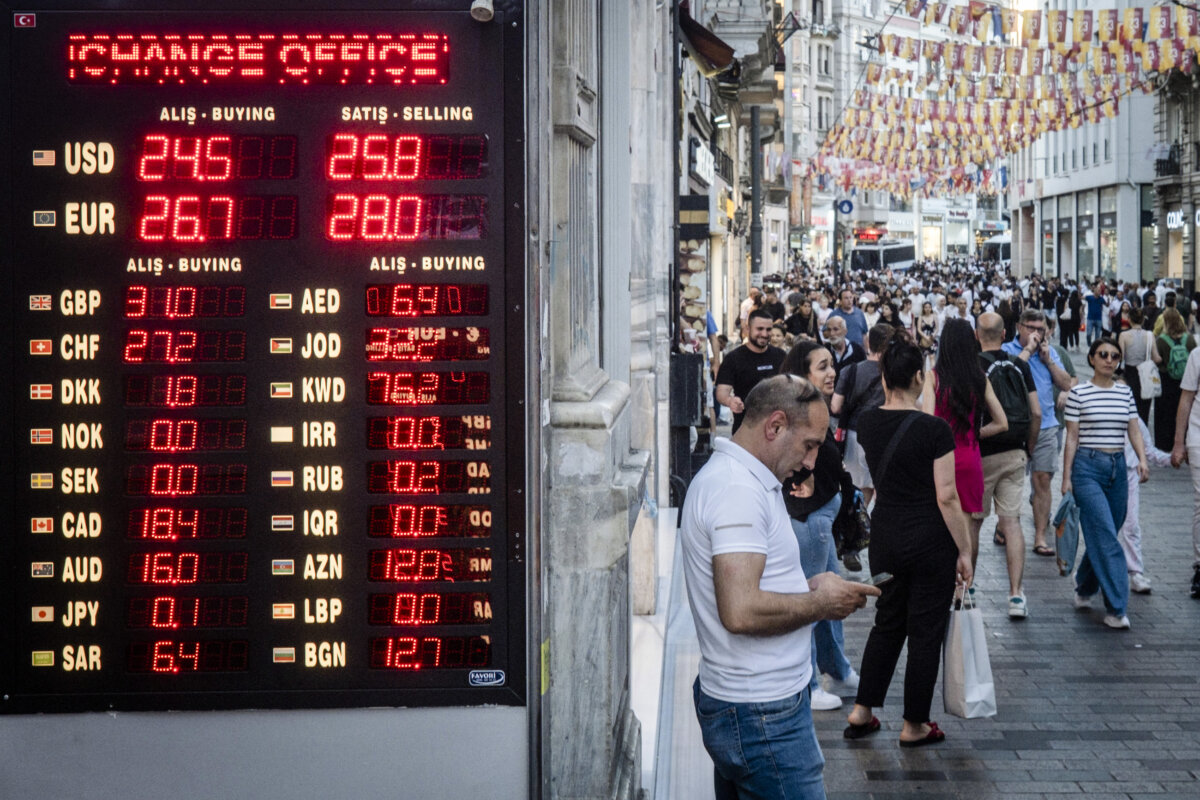
The advisory warned that U.S. citizens could be arbitrarily detained by authorities.
“The Turkish government has detained and arrested individuals, including Americans, for alleged links to terrorist groups based on scant evidence and minimal due process,” the department stated. “Americans have also been subject to exit bans that prevent them from departing Turkiye.”
In a separate April 28 travel advisory update, the State Department warned about the risks of terrorism, armed conflict, and landmines in Azerbaijan.
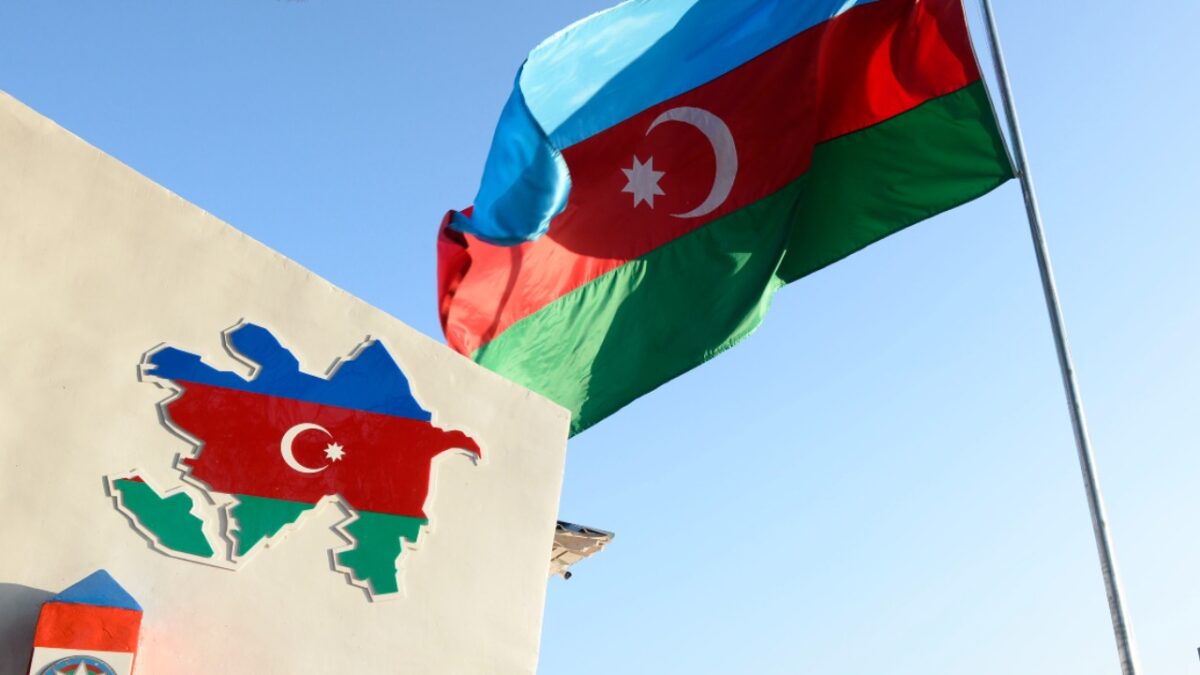
The country is designated as “Level 3: Reconsider Travel,” the second-most severe advisory level.
“Following the onset of hostilities between the United States and Iran on Feb. 28, there has been an ongoing threat of drone and missile attacks from Iran. There was a March 5 drone strike on Nakhchivan International Airport. Commercial flights have also been seriously disrupted,” the department stated.
In the latest advisory, the State Department warned about human rights abuses in Azerbaijan, including arbitrary arrests and the mistreatment of detainees. Journalists and activists can be harassed and imprisoned, the department warned, stating that U.S. citizens may be targeted.
“Terrorist groups and individuals inspired by them want to attack U.S. citizens outside of the United States. They are using simpler methods of attack like knives, guns, and vehicles to target crowds,” the State Department stated in the advisory. “U.S. citizens of Armenian descent may encounter anti-Armenian sentiments in Azerbaijan.”
The State Department noted that the U.S. government is unable to provide emergency services to U.S. citizens “in and around the former Soviet-era Nagorno Karabakh Autonomous Oblast area and surrounding territories as access is restricted.”

In February, the United States and Azerbaijan signed a strategic partnership agreement covering defense sales and the establishment of new AI data centers in Azerbaijan.
The agreement followed efforts by the Trump administration to resolve tensions between Azerbaijan and its neighbor, Armenia.
In August, the Trump administration brokered a joint declaration by the two nations to peacefully resolve their territorial disputes.
 Friends Read Free
Copy
Facebook
Tweet
Friends Read Free
Copy
Facebook
Tweet