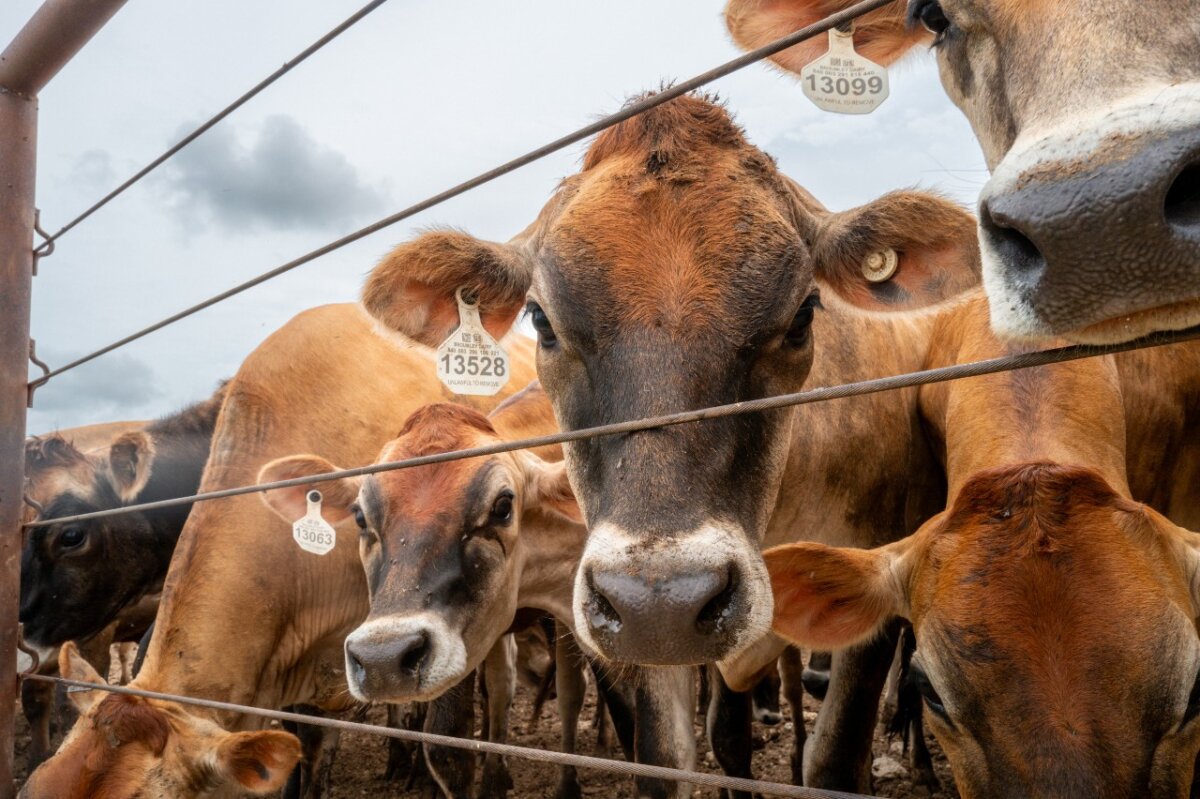

The U.S. Department of Agriculture has unveiled a new package of measures aimed at rebuilding the nation’s cattle herds, which have fallen to their lowest levels in 75 years.
Agriculture Secretary Brooke Rollins on Monday announced the Ranchers First Initiative, which includes new insurance options for ranchers, loans for smaller meat processors, and expanded disaster assistance for some conserved grasslands.
The measures are expected to ease the ongoing cattle shortage. According to USDA, the United States entered 2026 with 86.2 million cattle and calves, the smallest inventory since the early 1950s.
Encouraging Ranchers to Rebuild Herds
The new USDA initiative focuses on encouraging ranchers to keep more young female cattle for breeding instead of selling them for slaughter.
The USDA plans to create a new Beef Retention and National Development, or BRAND, endorsement under its Livestock Risk Protection insurance program.
The policy would allow ranchers to insure the economic value of keeping a heifer for breeding over a two-year period. If the value of selling the animal for slaughter rises above the value of retaining it for breeding, the insurance would cover the difference.
The goal is to reduce some of the financial risk ranchers face when deciding whether to sell cattle at high market prices or hold them back to produce future calves.
The USDA will also expand the use of its Emergency Conservation Program on land enrolled in the Grassland Conservation Reserve Program following wildfires and other natural disasters.
The change is intended to help ranchers more quickly repair fences, water systems, and other infrastructure damaged by disasters, reducing the risk of long-term losses.
Expanding Local Beef Processing
The USDA is also seeking to increase the number of small and regional meat processors available to ranchers.
The department said it will create a guaranteed-loan program under its Strengthening Processing for U.S. Ranchers, or SPUR, initiative. The loans could be used to establish processor cooperatives, expand small processing businesses, and increase the types of livestock they can handle.
The new program follows an earlier SPUR initiative that provided up to $500 million in support for independent and regional beef slaughter facilities.
USDA also plans to establish a Regional Processor Continuity Effort aimed at strengthening regional processing operations and making the beef supply chain more resilient.
The department said recent plant-closure announcements could free up nearly 20 percent of beef-processing capacity for use as cattle herds eventually grow, creating an opportunity for more of that capacity to shift toward independent processors and newly formed cooperatives.
Currently, however, the U.S. meat-processing industry remains highly concentrated. Four companies—Cargill, Tyson Foods, JBS USA, and National Beef Packing—account for about 85 percent of U.S. beef processing.
The USDA also said it will encourage federal and state institutions, including hospitals and prisons, to buy more locally processed American beef.
Herd Growth and Beef Prices
The initiative comes as the Trump administration pursues several policy changes aimed at both rebuilding domestic cattle supplies and lowering beef prices for consumers.
In a Truth Social post on Friday, President Donald Trump said he was authorizing the preparation of legal documents that would give ranchers the right to process their own food, which he said would help break up a “nasty monopoly” among the large meatpackers.
Under current federal food-safety laws, ranchers generally cannot sell meat from animals they slaughter and process themselves unless the meat is handled through an inspected facility, with limited exceptions.
At the same time, the administration has sought to increase beef imports as a short-term response to high prices.
Last week, Trump signed a proclamation temporarily increasing the amount of lean beef trimmings that can enter the United States at a lower tariff rate by 300,000 metric tons. The measure takes effect Sept. 1 and lasts for 90 days.
The move drew opposition from industry groups and farming advocates, who warned that even a short-term increase in cheaper foreign beef imports could undermine longer-term efforts to rebuild domestic cattle herds.
 Friends Read Free
Copy
Facebook
Tweet
Friends Read Free
Copy
Facebook
Tweet