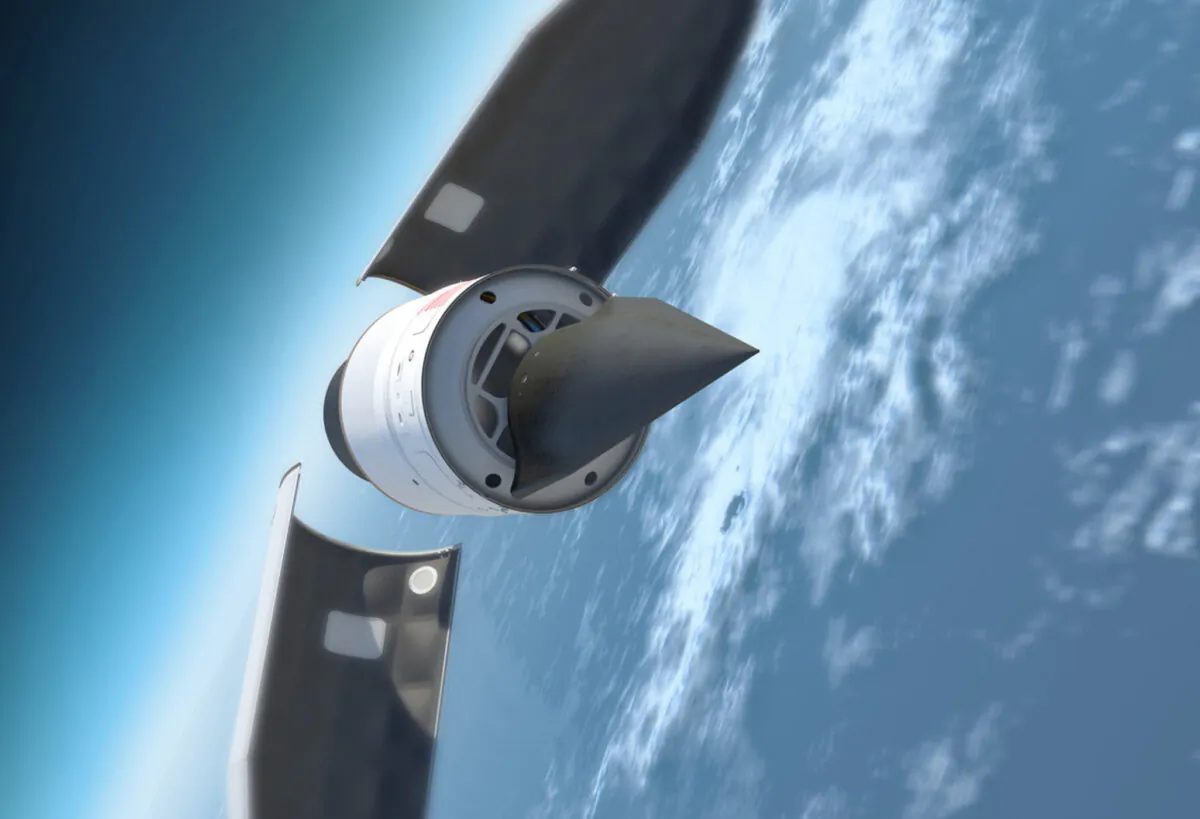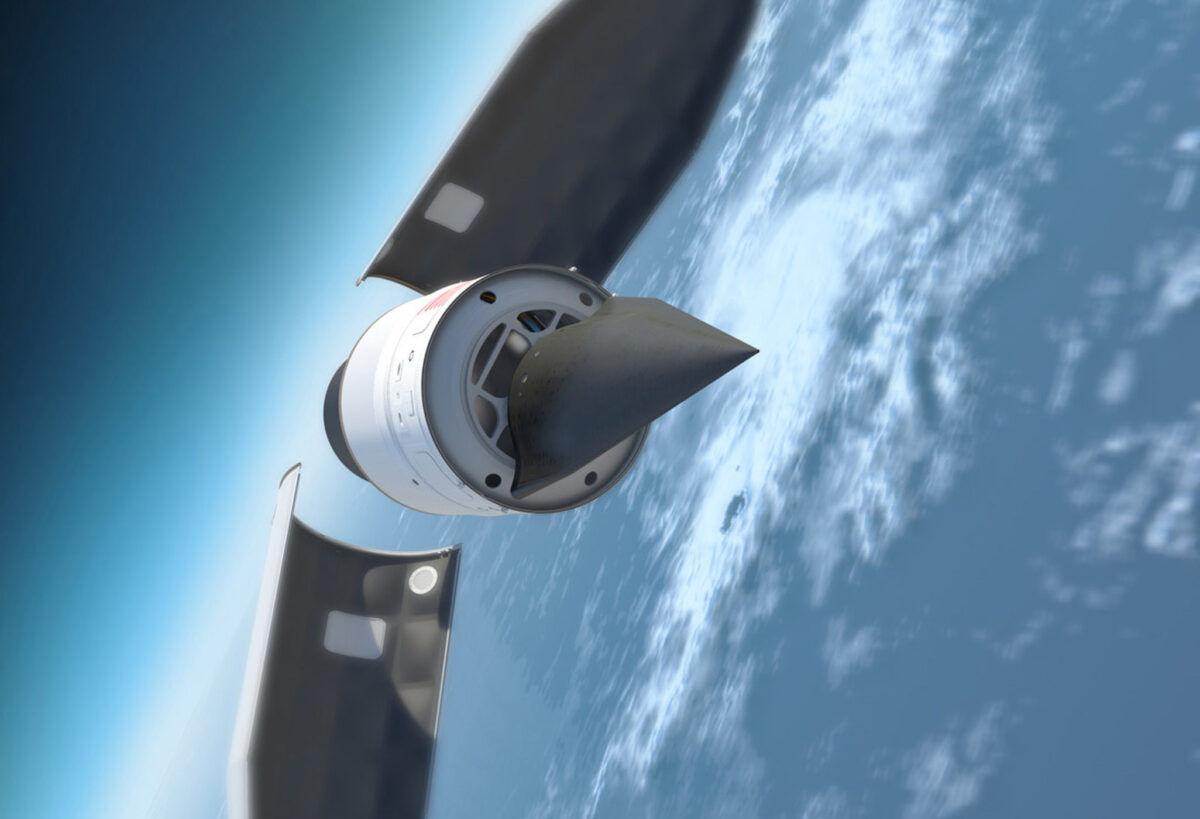

Australia, the United Kingdom, and the United States have agreed to accelerate their testing of hypersonic technology as more countries acquire the weapons.
India recently announced it had successfully tested the weapons. There are also reports that both North Korea and Iran have also launched successful test flights. Japan, Israel, South Korea, and Brazil are working on development.
Hypersonic weapons are long-range strike missiles that can travel five times the speed of sound (about 6,200 kilometres per hour), known as Mach 5.
Existing ballistic missiles can also reach hypersonic speeds, but hypersonic weapons are highly manoeuvrable, meaning they are easy to direct and control in flight. Ballistic missiles generally have set paths that cannot be altered once they’re launched.
Russia began hypersonic weapon technology research in the 1980s and became the first nation to deploy them in combat when it reportedly aimed at least one missile toward a Ukraine target in March 2019.
According to U.S. military officials, Beijing is researching hypersonic cruise missiles and glide vehicles and operates at least one missile capable of transporting the weapons.
The Hypersonic Flight Test and Experimentation (HyFliTE) Project Arrangement (PA) will come under AUKUS Pillar Two and will enable the three countries to accelerate the development, testing and evaluation of hypersonic systems.
“HyFliTE represents new heights of collaboration amongst AUKUS partners through shared testing facilities and pooling [their] deep collective technical expertise,” the project’s official announcement said.
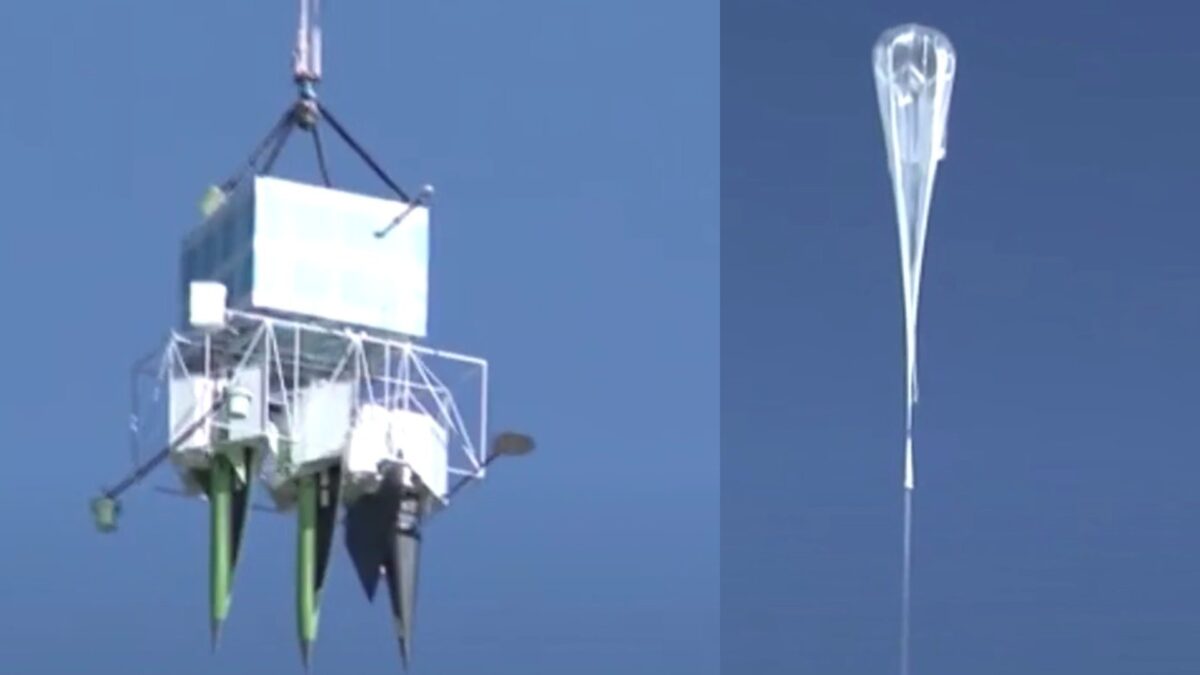
This development follows the AUKUS Defence Ministers’ Meeting on Sept. 26, at which it was announced that the three nations were increasing their collective ability to develop and deliver offensive and defensive hypersonic technologies under Pillar Two.
The project will incorporate existing national efforts, including multiple test flights across all three nations, which will “accelerate the development of hypersonic concepts and critical enabling technologies.”
Hypersonic technology development is an essential Australian Defence Force (ADF) priority, identified in the 2024 National Defence Strategy.
“It is a capability that can hold time-critical and heavily defended targets at risk from increased ranges, enhancing the survivability of the Australian Defence Force against potential threats,” the announcement explained.
“This agreement will accelerate Australia’s sovereign ability to develop and deliver offensive and defensive hypersonic technologies—through a robust testing and experimentation campaign under AUKUS Pillar Two,” said Australia’s Chief Defence Scientist, Professor Tanya Monro.
“HyFliTE will leverage our collective expertise and innovation enterprises to deliver hypersonic capabilities at pace.”
 Friends Read Free
Copy
Facebook
Tweet
Friends Read Free
Copy
Facebook
Tweet