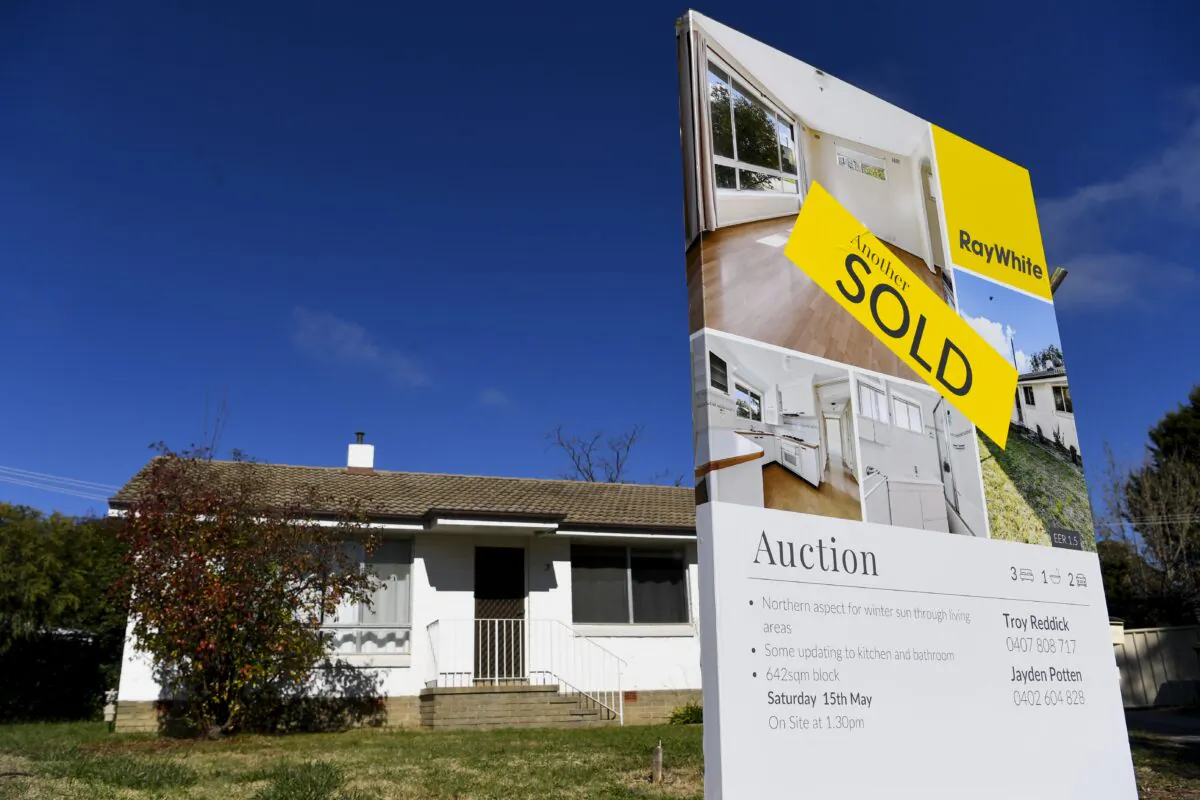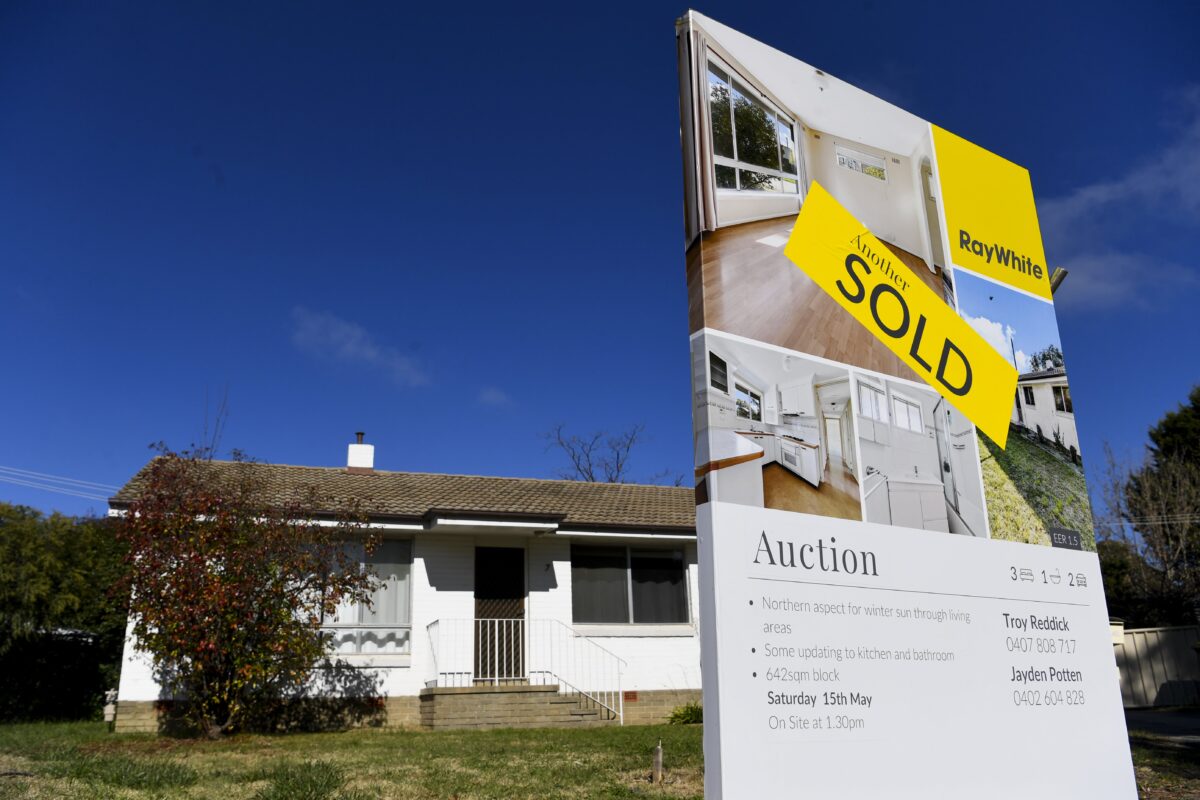

Assistant Foreign Minister Matt Thistlethwaite has admitted the federal government’s tax changes have contributed to falling house prices.
His comments come after Australia’s largest bank, the Commonwealth Bank of Australia (CBA), predicted house prices could fall by 9 percent from their March 2026 peak.
“There’s no doubt that our policies are part of a suite of reasons,” Thistlethwaite told News24 on Sept. 2 when asked if the housing price fall was due to a policy change from his government.
“But we’re confident that we’ve got the balance right because the housing market was out of control and we needed to make housing more affordable.”
The federal budget overhauled negative gearing and capital gains tax rules, with transitional rules now applying to all investments purchased after May 12, 2026.
Anyone buying an established property can still negatively gear against their salary for now, but those losses will be permanently blocked fromt minimum tax rate on new gains.
Investments held before the May 2026 budget announcement remain grandfathered under the old tax system.
Thistlethwaite said the government had put in place policies to ensure first-home buyers can get into the market, adding that it was too early to draw definitive conclusions just a “couple of months” after implementation.
“we’re still confident that over the longer term there’s going to be growth and that Australians will maintain confidence in their most important asset,” he said.
What Did the Bank Predict?
CBA economists said this week the housing downturn is deeper than expected.
Sydney housing prices are expected to drop 13 percent and Melbourne 12 percent. Brisbane, Perth, and Adelaide are each forecast to fall around 8 percent.
“The adjustment over the past three months has been larger and faster than we anticipated,” CBA senior economist Trent Saunders said.
CBA expects a modest recovery in 2027 if the Reserve Bank cuts interest rates in May and August of that year.
Treasurer Stands By Modelling
The bank’s forecast contrasts with Treasury’s budget modelling, which assumed tax changes would slow house price growth by two percent a year over the medium term, rather than cause absolute prices falls.
However, Treasurer Jim Chalmers defended the estimates during a press conference in Canberra on Sept. 2.
“People are in a rush to reach conclusions about a Treasury assumption, which is to play out over the next couple of years, not the first couple of months,” he said.
Shadow Treasurer Tim Wilson dismissed the Treasurer’s defence, arguing that wages were being outpaced by inflation.
“The Treasurer likes to spin numbers however it suits him,” he said on Sep. 2.
“This is the economy Labor designed, it’s the economy Labor built and it’s one where rents are going up and the price of first homes is increasing, while the wealth and wages of Australians is decreasing.”
 Friends Read Free
Copy
Facebook
Tweet
Friends Read Free
Copy
Facebook
Tweet