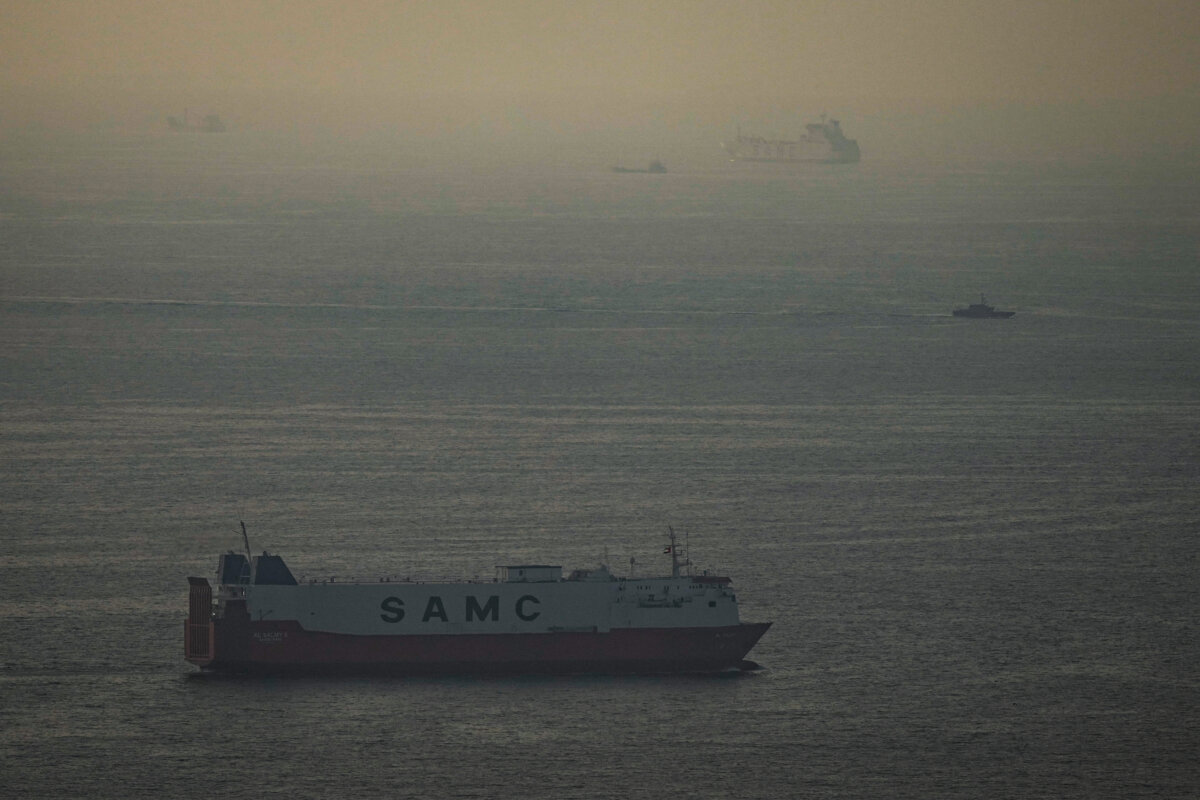

Canada has joined five European countries and Japan in announcing their “readiness to contribute to appropriate efforts” to ensure the safe passage of ships through the Strait of Hormuz.
Canada, the United Kingdom, France, Germany, Italy, the Netherlands, and Japan condemned Iran’s recent attacks on commercial vessels, as well as attacks on civilian infrastructure including oil and gas installations, and the effective closure of the Strait of Hormuz.
In a joint statement signed on March 19, the countries called on Iran to “cease immediately its threats, laying of mines, drone and missile attacks and other attempts to block the Strait to commercial shipping.”
Earlier this week, U.S. President Donald Trump called on NATO allies and others to help reopen the Strait of Hormuz and stabilize energy markets. When he first requested help, most alliance members offered little to no support. Trump criticized the response, while saying on Truth Social on March 17 that the United States no longer needed help from NATO allies.
The U.S. president then issued a new warning to NATO allies on March 18 saying they benefit “far more” from the reopening of the Strait of Hormuz than the United States does.
“I wonder what would happen if we ‘finished off’ what’s left of the Iranian Terror State, and let the Countries that use it, we don’t, be responsible for the so called ‘Strait?’ That would get some of our non-responsive ‘Allies’ in gear, and fast!!!” Trump wrote in a Truth Social post.
Iran intensified strikes on Gulf energy infrastructure on March 19, hitting refineries in Saudi Arabia and Kuwait, and liquefied natural gas facilities in Qatar. The escalation has sent oil prices significantly higher, with Brent crude surpassing US$119 a barrel at session highs early on March 19, and U.S. West Texas Intermediate briefly rising above US$100.
The Iranian strikes followed Israel’s March 18 attack on Iran’s South Pars gas field, part of the world’s largest natural gas reserve. Tehran vowed retaliation and warned civilians to stay clear of major energy infrastructure across the Gulf.
Since the U.S-Israeli strikes on Iran began on Feb. 28, Tehran has disrupted traffic through the Strait of Hormuz for vessels it says are linked to its adversaries and their allies.
In the March 19 joint statement, Canada and its allies called for “an immediate comprehensive moratorium on attacks on civilian infrastructure, including oil and gas installations.” They also said they “welcome the commitment of nations who are engaging in preparatory planning.”
A spokesperson for the Department of National Defence told The Epoch Times on March 20 that Canada is “working closely with allies and partners to de-escalate tensions and restore the free flow of trade and energy” through the Strait of Hormuz.
“Canada has a variety of tools available to support international stability. Any potential support would be guided by the needs on the ground, Canada’s legal and policy frameworks, and ongoing consultations with partners and allies,” the spokesperson said.
“At this stage, no specific decisions have been taken. Canada continues to closely monitor developments and remains prepared to respond in a manner that is responsible, coordinated, and aligned with international efforts.”
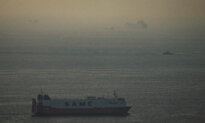
Two Canadian cargo ships are currently stuck in the Persian Gulf, unable to pass through the blocked Strait of Hormuz, according to media reports earlier this week.
Foreign Affairs Minister Anita Anand has said Canada has no intention of participating directly in the U.S.-Israeli military operation against Iran, which includes degrading Iran’s nuclear and missile capabilities, destroying its navy, and preventing the country from backing regional proxy groups.
Defence Minister David McGuinty told reporters on March 19 that Canada has not been involved in the conflict, “and we’re not going to be involved.”
“If neighbouring states around Iran in the Middle East and the Gulf require the assistance of NATO allies, this is something that NATO allies are considering, and Canada is also considering,” McGuinty said.
Prime Minister Mark Carney is currently in Europe over March Break after concluding a visit to Norway and the United Kingdom. The Prime Minister’s Office told media earlier this week that the prime minister would remain in Europe for “personal commitments,” but would not say where he is vacationing.
Noé Chartier and Tom Ozimek contributed to this report.
 Friends Read Free
Copy
Facebook
Tweet
Friends Read Free
Copy
Facebook
Tweet