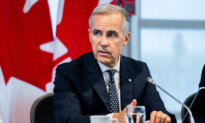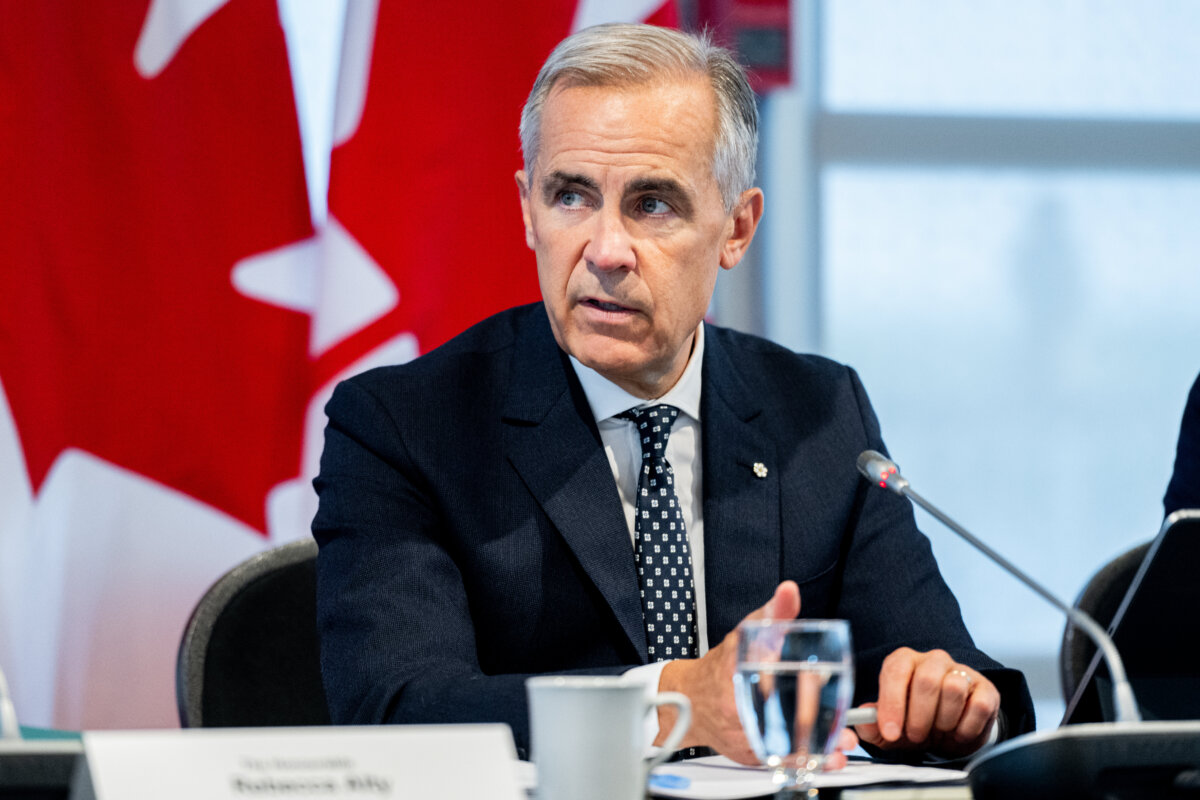

Prime Minister Mark Carney is set to meet with a First Nations advocacy group Jan. 13 to discuss a potential oil pipeline from Alberta to the B.C. coast.
Minister of Energy and Natural Resources Tim Hodgson and Housing Minister Gregor Robertson will accompany Carney to Prince Rupert, B.C., for the meeting with the Coastal First Nations-Great Bear Initiative, a non-profit advocacy group that includes a number of members of B.C. coastal First Nations.
The meeting will be Hodgson and Carney’s first with the advocacy group, which opposes any lifting of the oil tanker ban on B.C.’s north coast and the construction of any oil pipeline to northern B.C. tidewater.
Ottawa signed a memorandum of understanding (MOU) with Alberta on Nov. 27 proposing to build one or more pipelines from Alberta to B.C.’s north coast if a private proponent comes forward. The MOU also liftss various Trudeau-era energy regulations, along with “adjustments” to the oil tanker ban as necessary for a future pipeline.
In return, Alberta has pledged to increase its industrial carbon tax, reduce methane emissions, and put in place an extensive carbon capture system alongside the new pipeline.
For now, Alberta is acting as chief proponent in developing the pipeline proposal to carry 1 million barrels per day of crude oil to B.C.’s north coast for export to Asia.
Alberta Premier Danielle Smith wrote in a Jan. 8 letter to Carney that the province plans to submit the proposal to Ottawa’s Major Projects Office by this June and called on Carney to approve it “no later than this Fall” instead of the two-year fast-track timeline the MPO has promised.
The agenda for Carney and Hodgson’s Prince Rupert meeting includes discussions on major projects and how indigenous communities can be more fully included in strengthening Canada’s economy as it deals with trade tensions with the United States.
Opposition
Carney said this past December that he would host the first-ever joint first ministers meeting with First Nations in the beginning of 2026.
“The question is not what we’re against, but what we’re for, what we want to build together, because this approach must be informed by and can only move forward with First Nations,” Carney told the Assembly of First Nations (AFN) Dec. 2 in Ottawa, hours after the chiefs had unanimously voted against any potential new pipeline from Alberta to the north B.C. coast.
AFN National Chief Cindy Woodhouse Nepinak said Dec. 2 that First Nations are “united” in opposing any new pipeline and said the plan acts as if “First Nations rights can be wiped away with one federal-provincial MOU.”
The Coastal First Nations-Great Bear Initiative has also expressed opposition to a potential pipeline, releasing several statements last year that said it puts their tidal waters at ecological risk and pointing to past rejection of the Northern Gateway Pipeline project.
“As the Rights and Title holders of BC’s North and Central Coast and Haida Gwaii, we must inform Premier Smith once again that there is no support from Coastal First Nations for a pipeline and oil tankers project in our coastal waters,” Coastal First Nations-Great Bear Initiative President Marilyn Slett wrote in an October 2025 release.
B.C. First Nations have pursued legal action over pipeline development in the past, most recently against the Coastal GasLink natural gas pipeline in northern B.C., leading to blockages of rail lines across Canada just prior to the pandemic. Despite the protests and opposition, the pipeline became operational in late 2024.
B.C. Premier David Eby has also repeatedly said he is against any lifting of the oil tanker ban on B.C.’s north coast, as well as calling Alberta’s upcoming proposal “not a real project” due to not yet having a private proponent. Smith has said she expects a private proponent to come forward once the proposal is approved by Ottawa.
Carney held a number of meetings with First Nations, Inuit, and Métis leaders last year and has stated that major projects will only move forward with First Nations approval. However, while the Nov. 27 MOU between Ottawa and Alberta mentions consultation and potential accommodation with indigenous peoples, it does not mention a veto right held by indigenous communities.
“Alberta and Canada recognize their obligations to consult with, and where appropriate accommodate, Indigenous Peoples,” the MOU reads.
“Canada and Alberta are committed to respecting Aboriginal and Treaty rights, engaging in early, consistent, and meaningful consultation with Indigenous Peoples, in a manner that promotes reconciliation, and respects the rights and cultures of Indigenous Peoples while advancing economic opportunities through Indigenous ownership and partnerships.”
For his part, Conservative Leader Pierre Poilievre called on Ottawa to immediately approve a pipeline regardless of objections, and he wrote a Jan. 6 letter to Carney in which he urged Ottawa to approve Alberta’s proposal within 60 days of receiving it.
“We need to move millions of barrels a day to overseas markets quickly to reduce our dependence on the U.S. market,” Poilievre wrote. “That is why Canada must immediately approve a pipeline to the Pacific Coast.”
 Friends Read Free
Copy
Facebook
Tweet
Friends Read Free
Copy
Facebook
Tweet