A Thai court handed out death sentences on June 11 to two ethnic Uyghurs from China’s Xinjiang region for their role in a bombing that killed 20 people in the center of Bangkok in 2015.
Yusufu Mieraili and Bilal Mohammed—who is also known as Adem Karadag—allegedly confessed during the initial questioning, but have consistently professed their innocence since, claiming their confessions were the result of torture, something the court rejected.
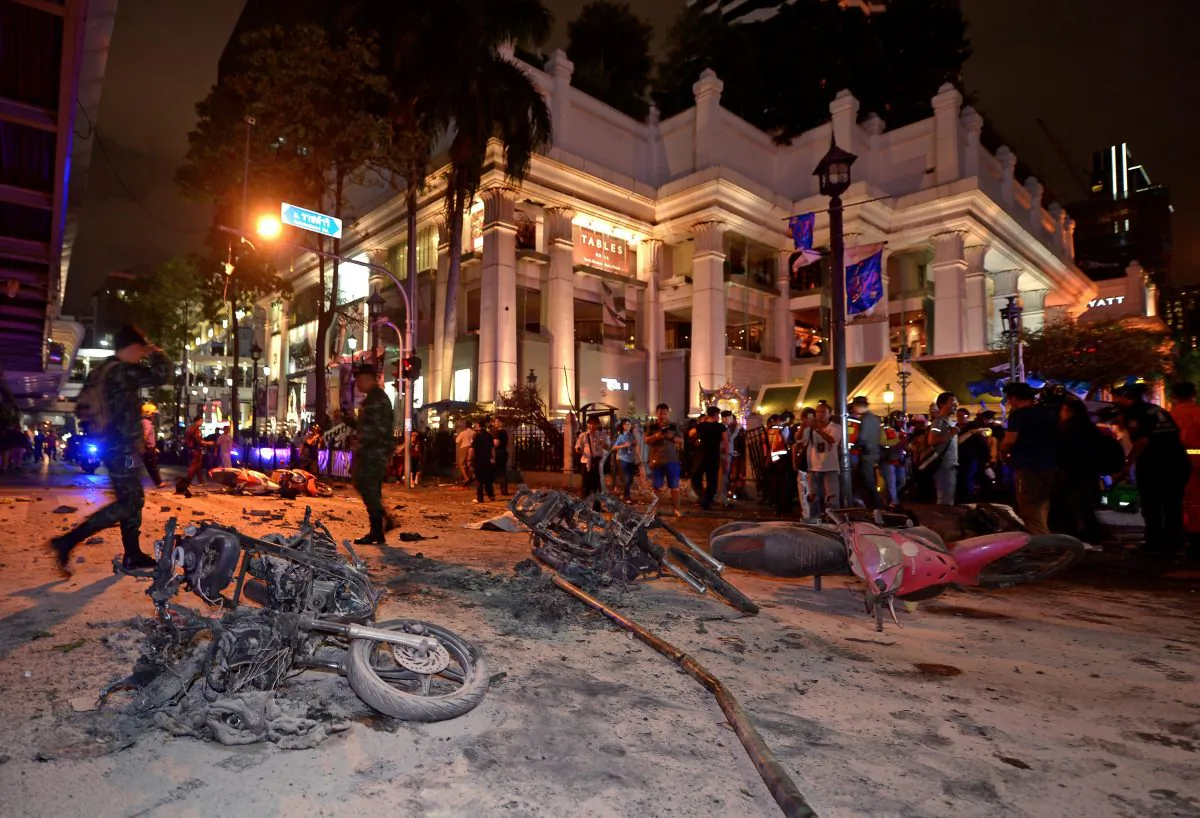
The explosion at the Erawan Shrine—in an area of Bangkok popular with foreign tourists—on Aug. 17, 2015, also injured 120 people.
Five of the dead were tourists from China, and two were from Hong Kong.
“The actions of both defendants constitute multiple separate offenses,” a statement from Bangkok South Criminal Court said, adding that the death penalty was the appropriate punishment for the charge of premeditated murder.
After the judges left the courtroom, Mieraili shouted in Thai that he was innocent.
“I mourn for Thailand,” Mieraili said. “I did not receive justice. … I ask Thai people to help me.”
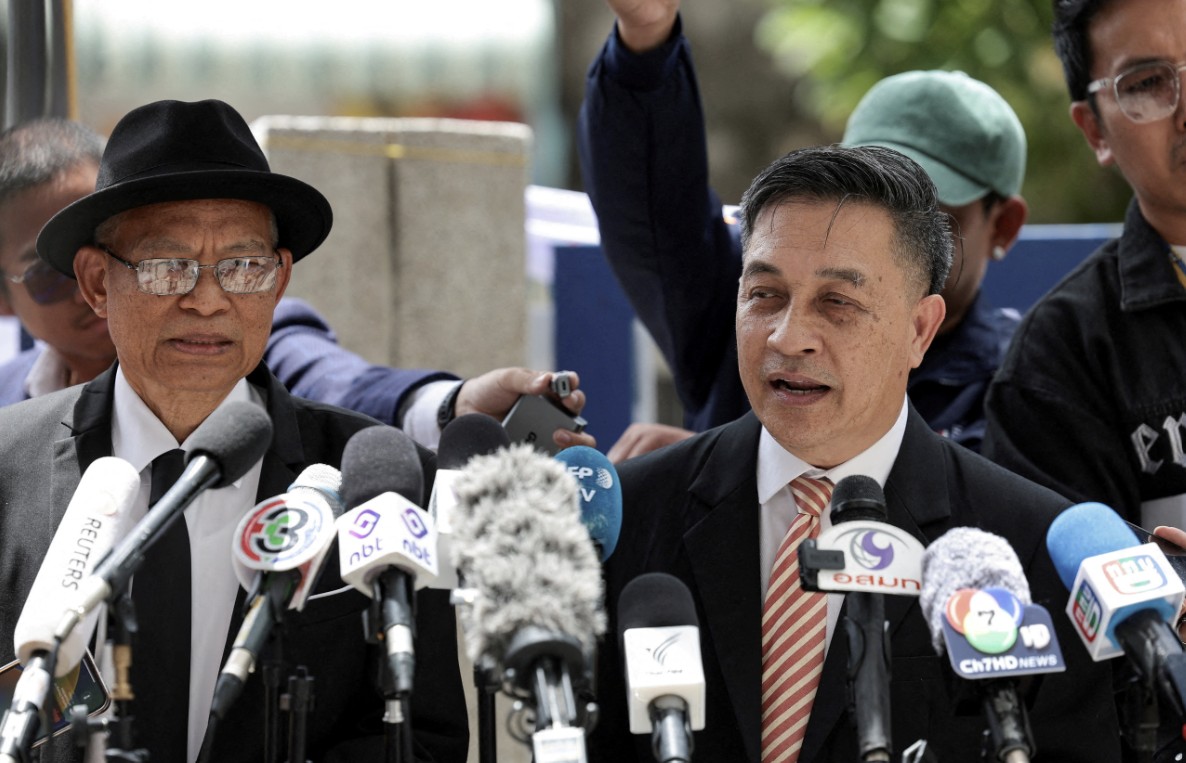
Choochat Kanpai, a lawyer representing one of the men, told reporters they would both appeal the sentence.
Nobody Claimed Responsibility
No group claimed responsibility for the bombing, but the Thai authorities claimed it was carried out in retaliation for the forced deportation of 109 Uyghurs to China in July 2015.
The Thai authorities originally identified 17 suspects in connection with the blast, but only three people were detained.
In November 2024, a Thai woman, Wanna Suansan, walked free after all charges, including first-degree murder, were dropped against her. She had originally been accused of helping Mohammed and Mieraili find accommodation in which they allegedly manufactured the bomb.
Mohammed and Mieraili confessed during initial questioning but pleaded not guilty when the trial first began in 2016.
Those proceedings took place in a military court, but the case was transferred to the civilian Bangkok South Criminal Court in 2019.
The men said they suffered mistreatment and torture in jail, but the judges said on June 11 that there was no evidence of torture and the original confessions were not coerced.
Uyghurs, who are mostly Muslims, are subjected to mass detention in China, with an estimated 1 million or more being placed in a sprawling network of internment camps and other detention facilities in the far-western region of Xinjiang.
Religious and cultural freedoms are also restricted in Xinjiang, a region where ethnic Han Chinese now make up the majority.
US Sanctions Thai Officials Over Uyghurs
In March 2025, the United States announced visa restrictions on several officials from Thailand after 40 Uyghurs were deported to China on Feb. 27, 2025, after being held in custody since 2014.
U.S. lawmakers and rights advocacy groups had repeatedly urged Thai authorities to refrain from sending the group back, citing concerns over the abuse they may face at the hands of the Chinese Communist Party.
U.S. Secretary of State Marco Rubio said in March 2025, “China, under the direction and control of the Chinese Communist Party, has committed genocide and crimes against humanity targeting predominantly Muslim Uyghurs and other members of ethnic and religious minority groups in Xinjiang.”
“We are committed to combating China’s efforts to pressure governments to forcibly return Uyghurs and other groups to China, where they are subject to torture and enforced disappearances,” Rubio said in a statement.
Reuters and The Associated Press contributed to this report.
 Friends Read Free
Copy
Facebook
Tweet
Friends Read Free
Copy
Facebook
Tweet