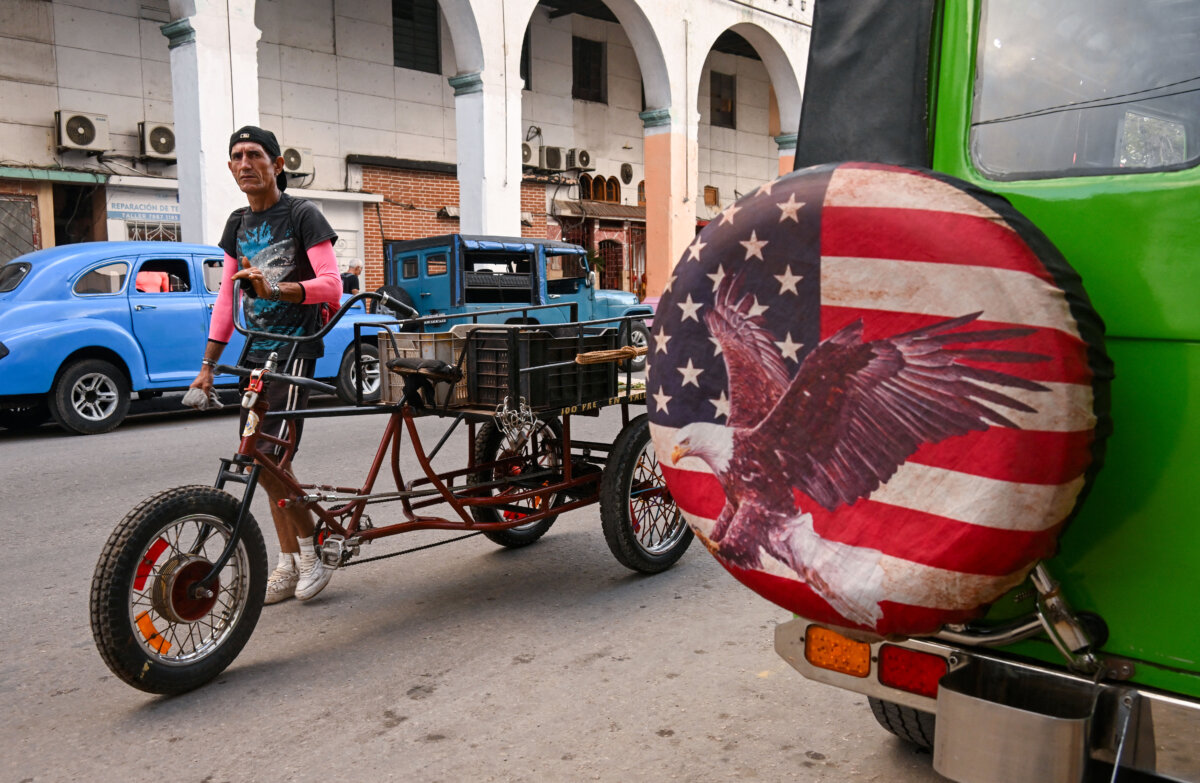
Cubans living abroad, including in the United States, will soon be allowed to invest in and own businesses in Cuba’s private sector, a senior Cuban government official said, as Havana seeks new sources of capital amid a deepening economic crisis and fragile talks with Washington.
Óscar Pérez-Oliva Fraga, Cuba’s deputy prime minister and minister of foreign trade and investment, told NBC News in an exclusive interview published on March 16 that Cuban nationals residing overseas—including those in Miami—will be permitted to participate directly in the island’s emerging private economy.
“Cuba is open to having a fluid commercial relationship with U.S. companies,” Fraga said in a sit-down interview in Havana. “Also with Cubans residing in the United States and their descendants.”
The measure, which Fraga said he planned to formally announce to Cubans on the night of March 16, marks a potentially significant shift for the communist-run nation, which for decades has tightly restricted private ownership and outside investment.
The reforms are part of a broader effort by Havana to revive its struggling economy by creating what Fraga called a “dynamic business environment” capable of attracting capital from both foreign investors and the Cuban diaspora.
Push for Economic Reform
Fraga, who oversees key economic portfolios in the Cuban regime, said the reforms aim to stimulate sectors ranging from tourism and mining to energy infrastructure.
“This extends beyond the commercial sphere,” he said. “It also applies to investments, not only small investments, but also large investments, particularly in infrastructure.”
Cuba has gradually expanded its private sector in recent years. Although Fidel Castro, who ruled Cuba from 1959 to 2008, once described the private sector as a “concession to the enemy,” his successor and younger brother, Raúl Castro, later called it a “strategic” component of the economy, according to the Miami-based news outlet CubaNet.
Cuban President Miguel Díaz-Canel, who is also the first secretary of the Communist Party of Cuba, has largely maintained the younger Castro’s position, recently calling for a transformation of the island’s economic model.
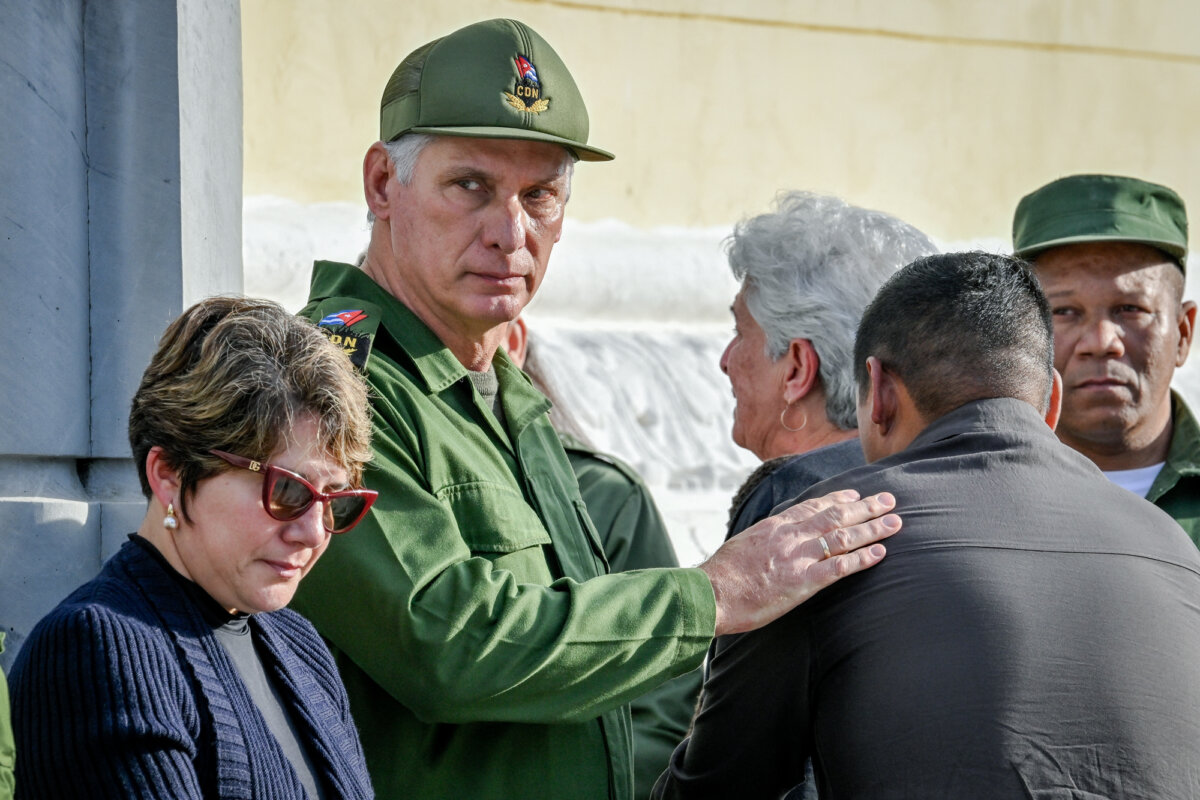
During a meeting of Cuba’s Council of Ministers early in March, Díaz-Canel spoke of the importance of “leveraging economic partnerships between the state and private sectors, especially at the municipal level; and promoting business with Cubans residing abroad,” according to Spanish newspaper El País.
Days later, a decree was published in Cuba’s Official Gazette, set to take effect in April, establishing a legal framework for partnerships between state and non-state business entities, including private small businesses both in Cuba and abroad.
Opening the door to direct investment by Cuban expatriates, which so far has remained highly restricted. The move could unlock billions of dollars in potential capital from the Cuban diaspora, many of whom maintain strong financial ties to the island through remittances, whose volumes have fluctuated in line with U.S. government restrictions.
In 2022, the U.S. Treasury Department expanded the ability of Cubans to send money back home, singling out remittances that “encourage the development of private businesses and operation of economic activity in the non-state sector by independent private sector entrepreneurs.”
Fraga told NBC that the policy shift comes as Cuba struggles with multiple economic shocks, including energy shortages, declining tourism revenue, and supply disruptions linked to tensions with the United States.
Energy Crisis and Talks With US
Cuba is currently facing one of its worst energy crises in years.
Díaz-Canel said recently that no petroleum shipments have reached the island in the past three months, after Venezuelan oil deliveries were disrupted following the January capture of Venezuelan leader Nicolás Maduro and his wife, Cilia Flores, by U.S. forces in Caracas.
Maduro and Flores were taken to the United States and charged with narcotics trafficking and weapons offenses. Both deny the charges.
The disruption of Venezuela’s oil supply has left Cuba struggling to keep its aging power grid running, triggering prolonged blackouts across the island.
Electricity outages have lasted more than 12 hours a day in some areas, and Díaz-Canel said in a March 13 video airing on local television that the decline in diesel and fuel oil reserves has made Cuba’s electrical grid increasingly unstable.
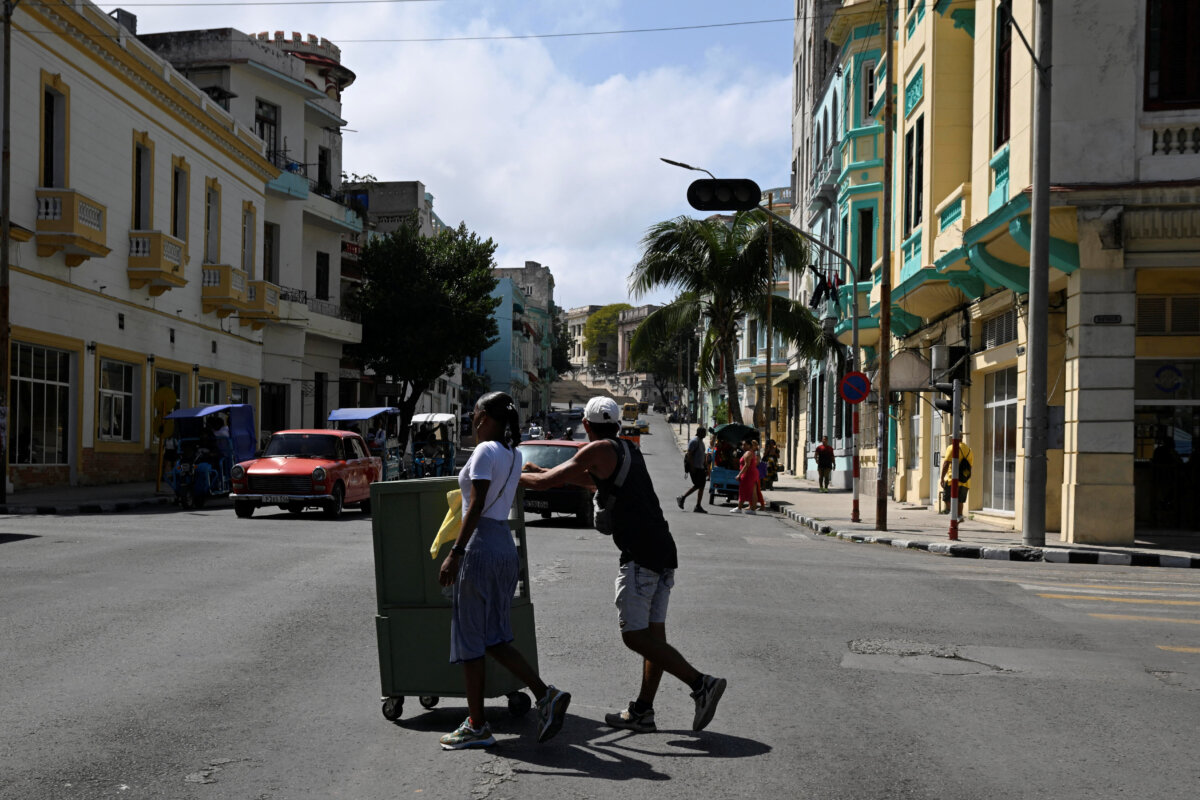
Rare protests erupted in the city of Morón on March 14, when demonstrators attacked a Communist Party office amid anger over power cuts and food shortages. Videos circulating online appeared to show protesters throwing rocks and chanting “liberty.”
Violent demonstrations are uncommon in Cuba’s tightly controlled political system.
U.S. President Donald Trump on Jan. 11 told Cuban leaders to strike a deal with Washington after U.S. forces captured Maduro and interim Venezuelan leader Delcy Rodríguez redirected Venezuela’s oil deliveries to the United States. Later in January, Trump signed an executive order imposing tariffs on any country that provides oil to Cuba.
Trump said on March 15 that he expects Cuba to reach an agreement with the United States soon, or Washington will do “whatever” it has to do.
“Something will happen with Cuba pretty quickly,” Trump told reporters aboard Air Force One, adding that the United States will make a decision on Cuba after dealing with the Iran war.
Aldgra Fredly contributed to this report.
 Friends Read Free
Copy
Facebook
Tweet
Friends Read Free
Copy
Facebook
Tweet