
The world’s plans for a nuclear power revival could be thrown off course unless new uranium mines are developed quickly, according to analysis by the World Nuclear Association (WNA).
In its latest report, released on Sept. 5, the industry group said global demand for uranium, which powers nuclear reactors, is set to rise steeply over the next 15 years as more countries turn to atomic energy.
Nuclear power is being championed as a way to reduce dependence on imported fossil fuels and to strengthen national energy security.
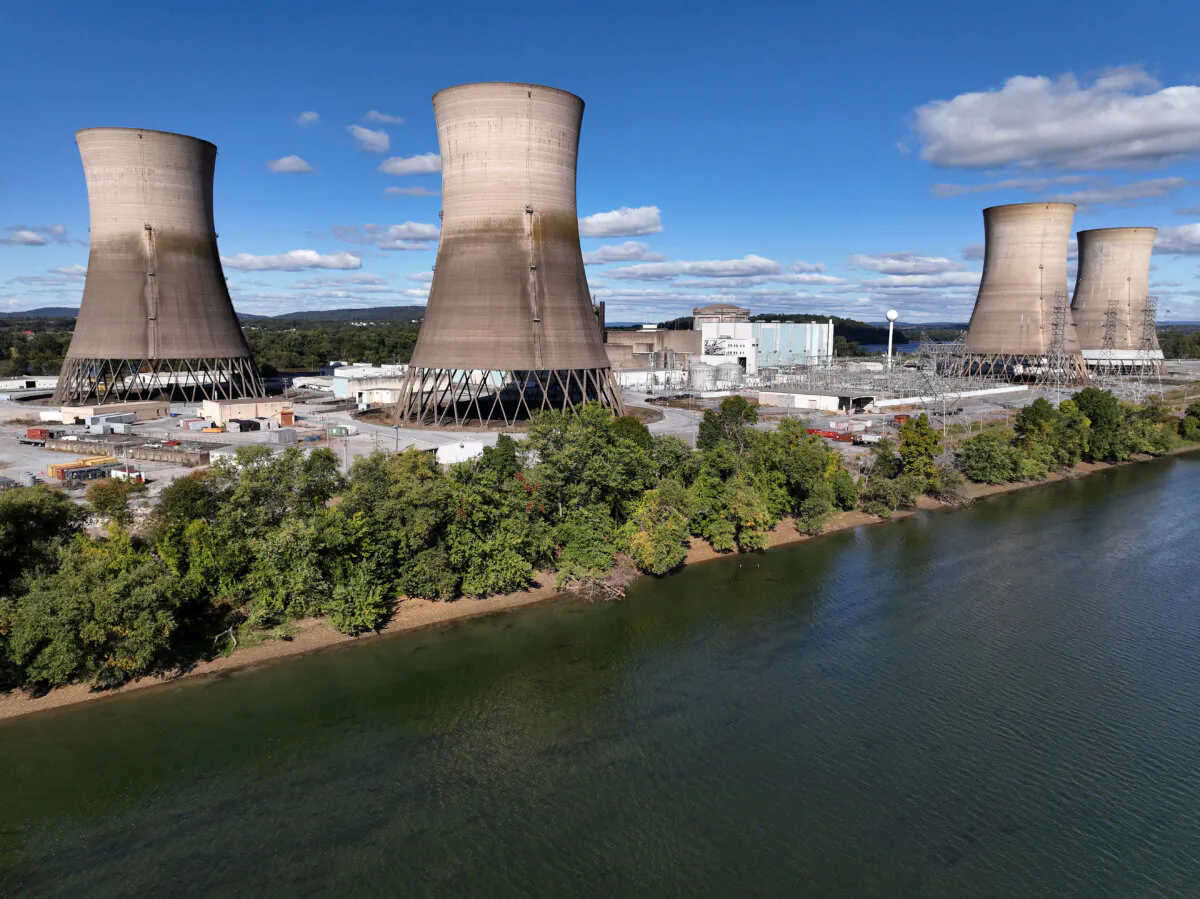
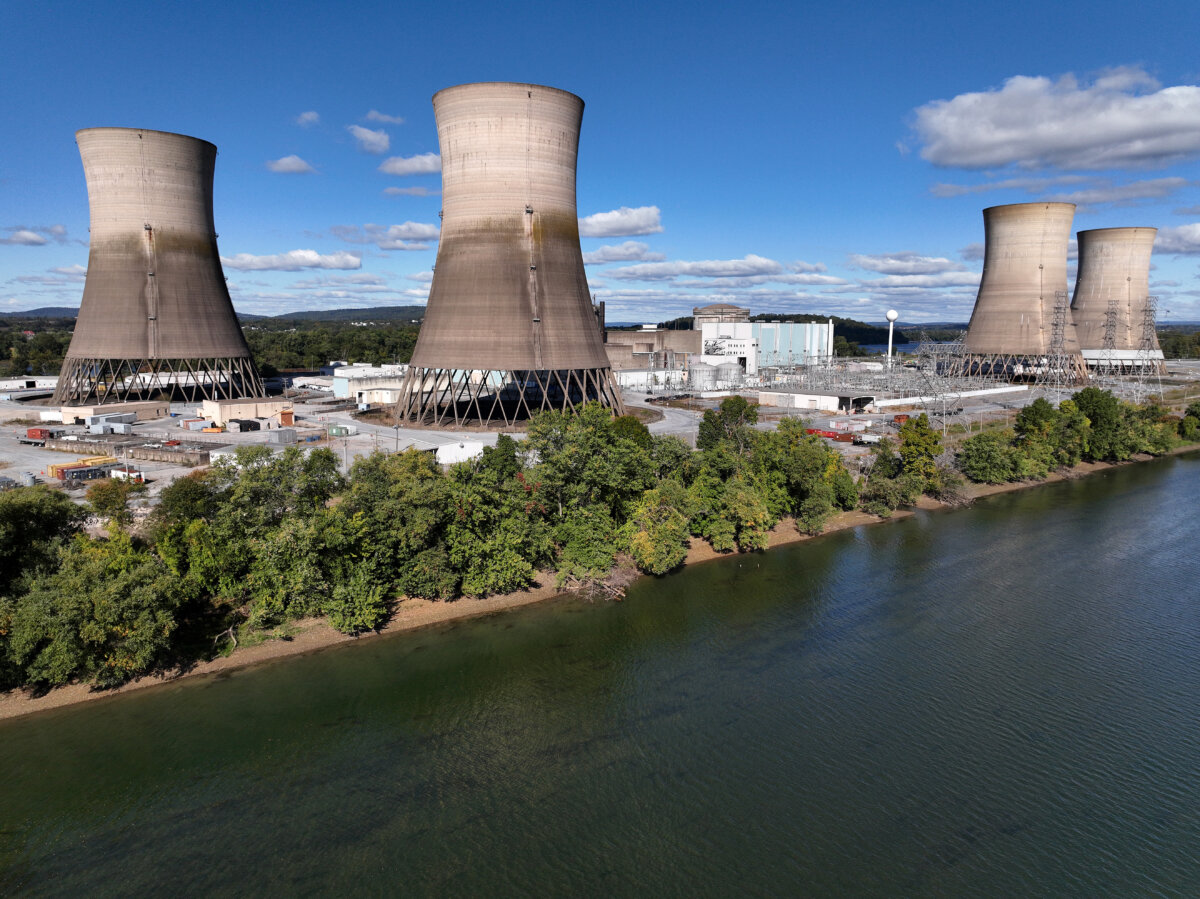
In July, the UK approved construction of the Sizewell C plant in eastern England, part of a wider nuclear revival. The United States has seen major tech firms Microsoft, Amazon, and Google sign long-term nuclear energy deals to power data centers, including Microsoft’s 20-year agreement to restart Pennsylvania’s shuttered Three Mile Island facility.
The war in Ukraine has also pushed nuclear back onto the EU agenda, spurring the launch of the European Nuclear Alliance in 2023 and fresh calls for greater domestic production.
Surge in Demand
The WNA estimates that reactors worldwide will need nearly 69,000 metric tons (about 76,059 tons) of uranium in 2025.
By 2040, that figure is expected to more than double to more than 150,000 metric tons under the WNA’s central “Reference Scenario.”
In a high-growth scenario, demand could climb above 200,000 metric tons by that year, reflecting ambitious pledges by many governments to reach net-zero carbon emissions. Even in the most cautious scenario, uranium demand would exceed 107,000 metric tons.
The WNA said that known uranium resources are sufficient to meet these needs. However, turning those resources into usable fuel will require a major push in mining and refining.
“While sufficient uranium resources exist to meet the need for uranium in the Upper Scenario to 2040, further investment and timely decisions are needed to increase production,” the WNA stated in the report.
At present, nuclear plants generate about 372 gigawatts of electricity worldwide. By 2040, capacity is projected to rise by almost 85 percent to 686 gigawatts under the central forecast, with even faster growth possible if more countries follow through on their net-zero carbon emissions targets.
This expansion reflects a broader shift in attitudes toward nuclear power, especially following the conflict in Ukraine, which added urgency, pushing nations to look for stable, homegrown sources of power.
Who Produces the Uranium?
The report outlines how production is expected to evolve across major uranium-producing nations.
Kazakhstan, the current global leader in uranium production, will see output rise in the short term as new projects come online, but production is forecast to decline in the 2030s as older mines run dry.
Canada, meanwhile, is set for a boom. Several new projects are scheduled to open in the coming years, and by the mid-2030s, the country could overtake Kazakhstan as the top supplier.
The United States, whose mining industry has dwindled in recent decades, is expected to restart mothballed mines and launch new ones.
Australia will likely see output jump in the early 2030s before dipping again as mines are exhausted. Africa will remain a key player, led by Namibia, although new projects are also planned in Niger, Tanzania, Zambia, and elsewhere.
Growing Investor Interest
Recent years have already seen uranium production recover, reaching more than 60,000 metric tons in 2024—up by 22 percent from two years earlier. Spending on exploration has more than doubled since 2020. Still, production remains below its 2016 peak, and experts say that far more investment is needed to keep pace with the surge in demand.
Speakers at the World Nuclear Symposium in London on Sept. 3 to Sept. 5 described a wave of financial interest in nuclear projects.
“There is no alternative to nuclear energy for Czechia—and many other countries—to reach our strategic energy targets,” said Tomas Ehler, a senior official at the Czech Ministry of Industry and Trade.
Investors echoed that enthusiasm.
“We want to deploy a very large amount of capital to the energy transition, nuclear is a key part of that,” said Mark Muldowney, managing director of energy, resources, and infrastructure at BNP Paribas.
Victoria Kalb, global head of UBS’s ESG & Sustainability Research, said, “The demand from investors wanting nuclear … it is difficult to overstate how strong it is.”
International lenders, including the World Bank, signaled that they may be willing to finance nuclear projects, offering a potential lifeline for countries with limited access to capital. Industry executives, however, warned that securing uranium supplies will be just as critical as raising funds for reactors themselves.
“This is the moment to grow nuclear capacity,” Uranium Energy Corp. CEO Amir Adnani.
 Friends Read Free
Copy
Facebook
Tweet
Friends Read Free
Copy
Facebook
Tweet