
Canada’s annual inflation rate rose to 2.4 percent in March compared to 1.8 percent in the previous month, as gas prices rose by the largest monthly amount on record, according to a new Statistics Canada report.
Higher prices for energy due to the conflict in the Middle East—particularly for gasoline—drove prices higher, StatCan said in its April 20 report. Excluding gasoline prices, the Consumer Price Index (CPI) rose by a slower rate of 2.2 percent, compared to 2.4 percent in February.
The statistics agency said that overall energy prices rose by 3.9 percent on a year-over-year basis in March after falling by 9.3 percent in February. Compared to the previous month, energy prices rose by 13.1 percent.
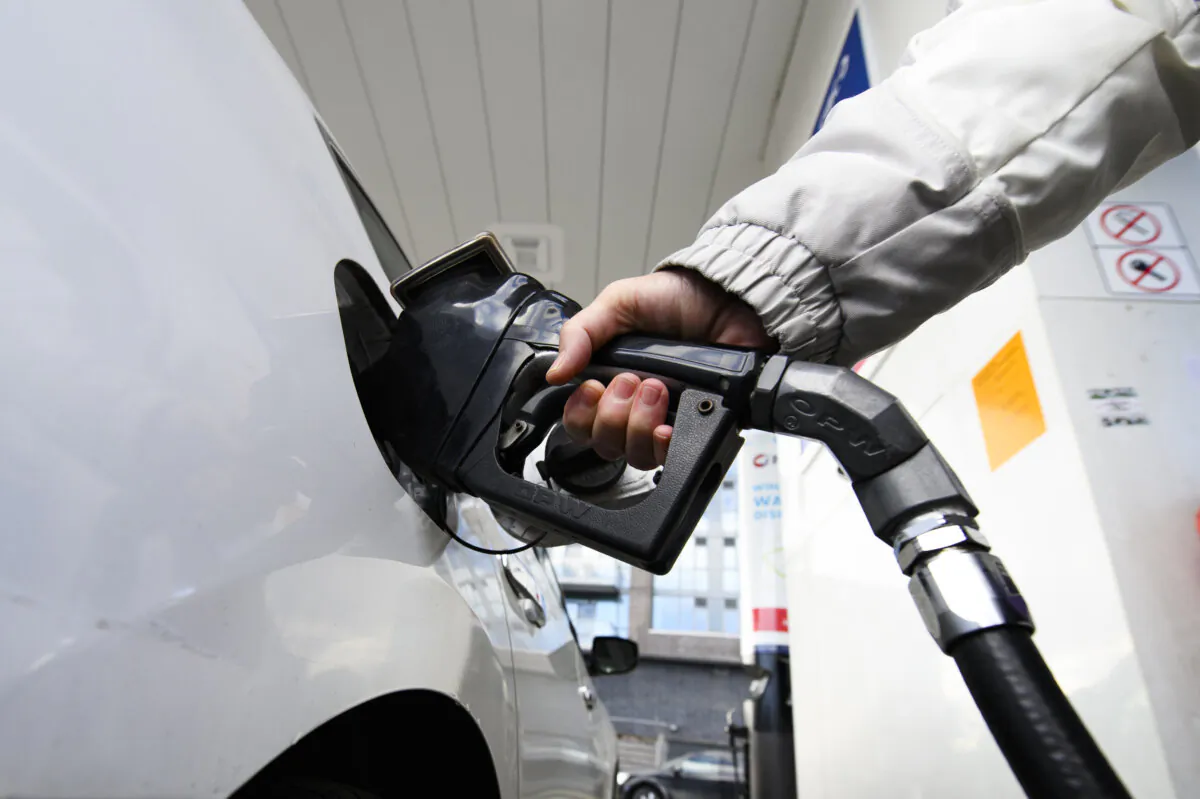
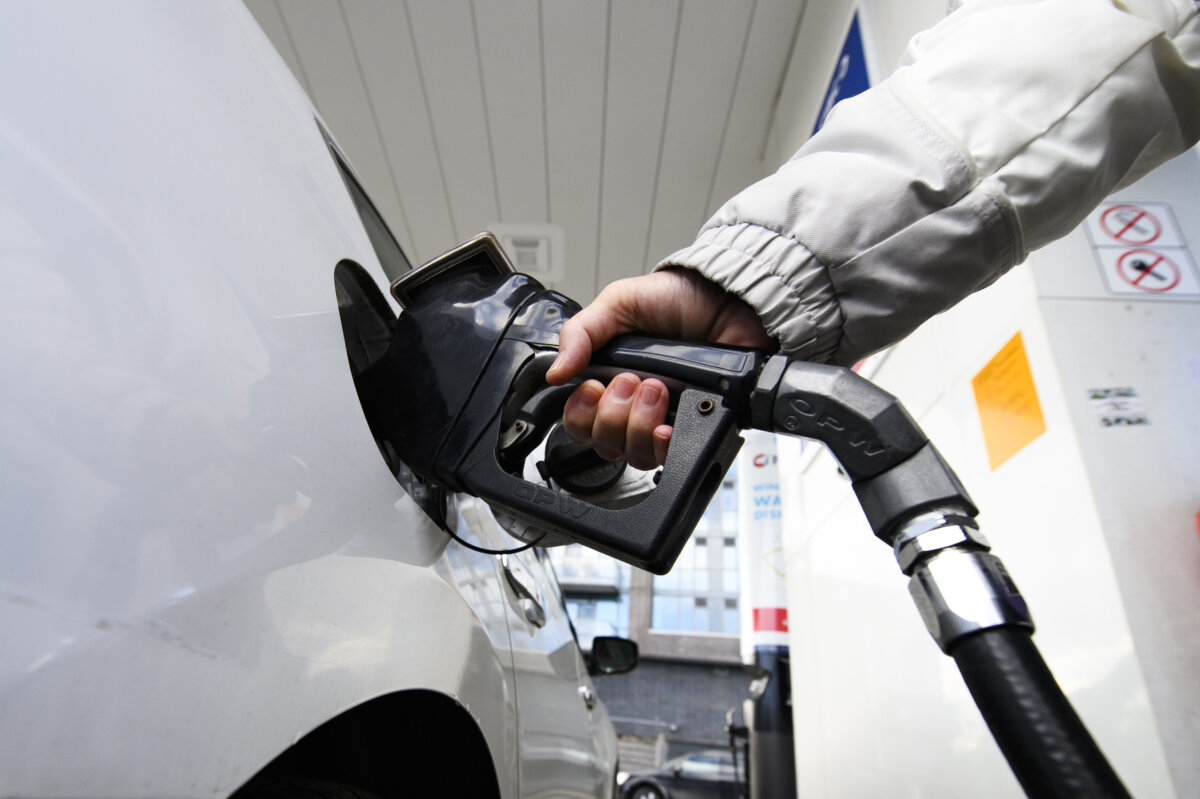
Gasoline prices rose by 21.2 percent in March compared to the previous month, reflecting a supply shock linked to the ongoing conflict in the Middle East and disruptions in the Straight of Hormuz, a key global oil shipping route. Statistics Canada said this was the “largest price increase for gasoline on record” in Canada.
Gasoline prices rose by 5.9 percent on a year-over-year basis, as StatCan said that increase was “muted” due to last year’s removal of the consumer carbon tax in April, which lowered prices by 18.1 percent that month on a year-over-year basis.
StatCan’s report was released the same day the Liberal government’s temporary suspension of some fuel taxes went into effect, which is expected to save consumers 10 cents per litre on regular gasoline until Labour Day.
Food prices rose by 4.4 percent on a yearly basis in March after a 4.1 percent rise in February. Vegetable prices rose by 7.8 percent in March, which was the largest increase since August 2023, due to adverse growing conditions in producing countries that lowered harvests.
Prices for food purchased from restaurants grew year-over-year at a slow pace, rising by 3.2 percent in March compared to 7.8 percent in February. Year-over-year prices for alcoholic beverages also grew by 2 percent compared to 5.6 percent in February.
Last month’s slowdown in year-over-year inflation had been driven by last year’s end of a two-month GST holiday introduced by the Liberal government of then-Prime Minister Justin Trudeau.
Starting Dec. 14, 2024, the GST was removed on items like restaurant meals, drinks, toys, clothing, and Christmas decorations. Prices of these items increased when the GST break ended on Feb. 15, 2025, which StatCan said created a base-year effect that lowered the annual inflation rate this past February.
BMO Chief Economist Doug Porter wrote in a note to clients that March’s inflation numbers were “less bad than feared,” given the rise in energy prices. However, he said inflation is likely to be higher next month due to the base effects set to increase because of the removal of the consumer carbon tax in 2025, as well as gasoline prices being set to rise 7 percent in April.
“However, depending on where oil prices go and how long the [Strait of Hormuz] remains closed, it’s possible that April will mark the high-water point for inflation this year,” Porter said.
A March 20 report by Goldman Sachs projected a six-week closure of the Strait of Hormuz could raise inflation by an additional 1 percentage point. However, the multinational investment bank said if the strait remained closed for 10 weeks, inflation could rise by 2.3 percentage points.
 Friends Read Free
Copy
Facebook
Tweet
Friends Read Free
Copy
Facebook
Tweet