
Italy is preparing to join the U.S.-led Pax Silica initiative aimed at strengthening artificial intelligence and semiconductor supply chains, despite recent diplomatic tensions between U.S. President Donald Trump and Italian Prime Minister Giorgia Meloni.
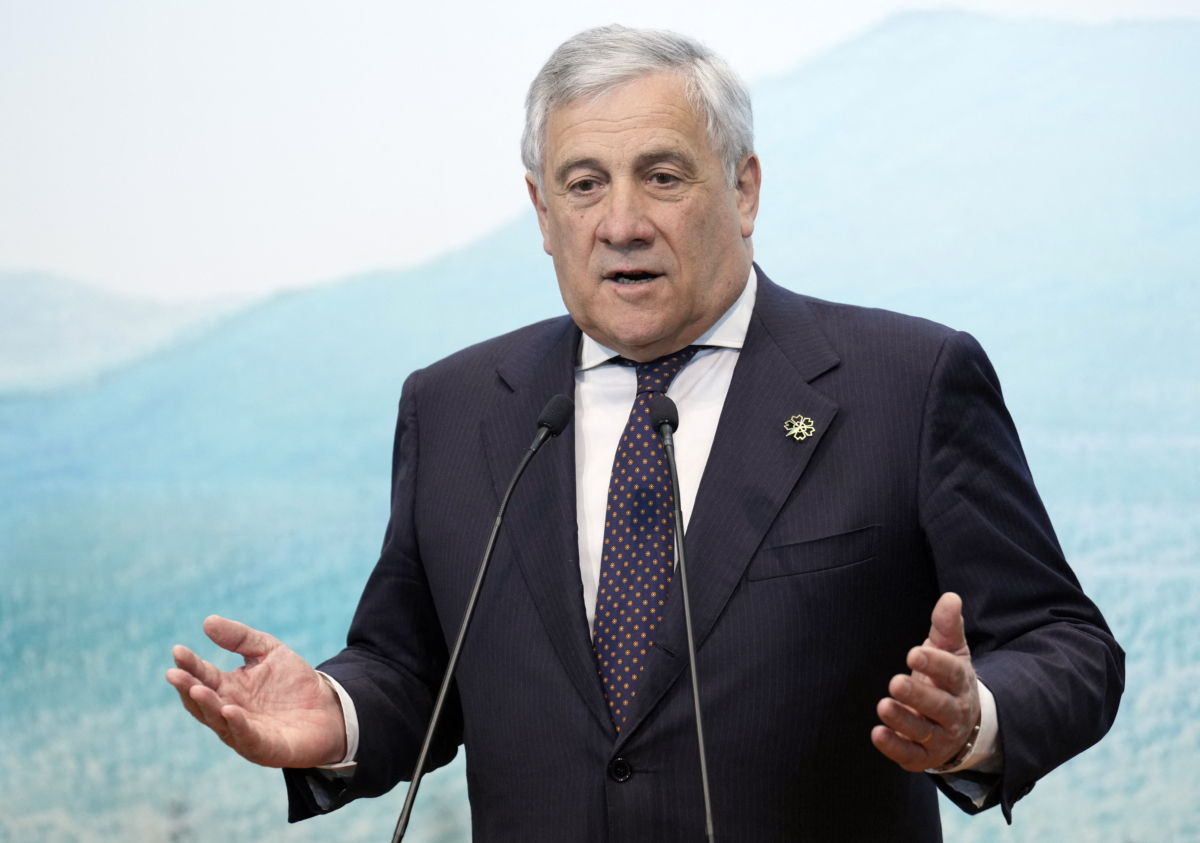
Italian officials confirmed this week that cooperation on technology and critical minerals with the United States remains active even after Italian Foreign Minister Antonio Tajani canceled a planned visit to Washington following Trump’s remarks about Meloni earlier this month.
The Italian Embassy in the United States said in a June 25 post on X that Italy participated in the Pax Silica Summit hosted by the U.S. Department of State and signed the Joint Statement on AI Opportunity.
Tajani also confirmed that cooperation with Washington continues despite recent political disagreements.
In an interview published by Corriere della Sera on June 22, Tajani said that “contacts with the U.S. Secretary of State Marco Rubio have never been interrupted.”
Tajani added, “We will continue working on our dossiers and will sign the agreement on raw materials, a crucial element for our industrial system.”
Pax Silica
The Pax Silica initiative, launched by the U.S. Department of State on Dec. 12, 2025, seeks to strengthen cooperation among trusted partners on AI, semiconductors, critical minerals, energy, communications infrastructure, and advanced manufacturing.
The initiative is nonbinding and does not require countries to commit to spending targets or treaty obligations. Instead, participating governments agree to cooperate on securing technology supply chains and reducing reliance on vulnerable sources.
Current signatories include Australia, Finland, Germany, Greece, India, Israel, Japan, the Netherlands, Norway, Qatar, Singapore, South Korea, Sweden, the Philippines, the United Arab Emirates, the UK, and the European Union. Taiwan has endorsed the declaration’s principles through a separate joint statement with the United States.
Jacob Helberg, the U.S. undersecretary of state for economic affairs, said on June 25 that dozens of countries had endorsed a common approach to AI development.
He said that participating countries were committing to trusted supply chains, private-sector investment, and infrastructure needed to support AI development.
“The future of AI will not be determined by who regulates first. It will be determined by who builds first and builds the most capacity,” Helberg said on X.
Diplomatic Tensions
Italy’s move comes despite a recent diplomatic dispute between Washington and Rome.
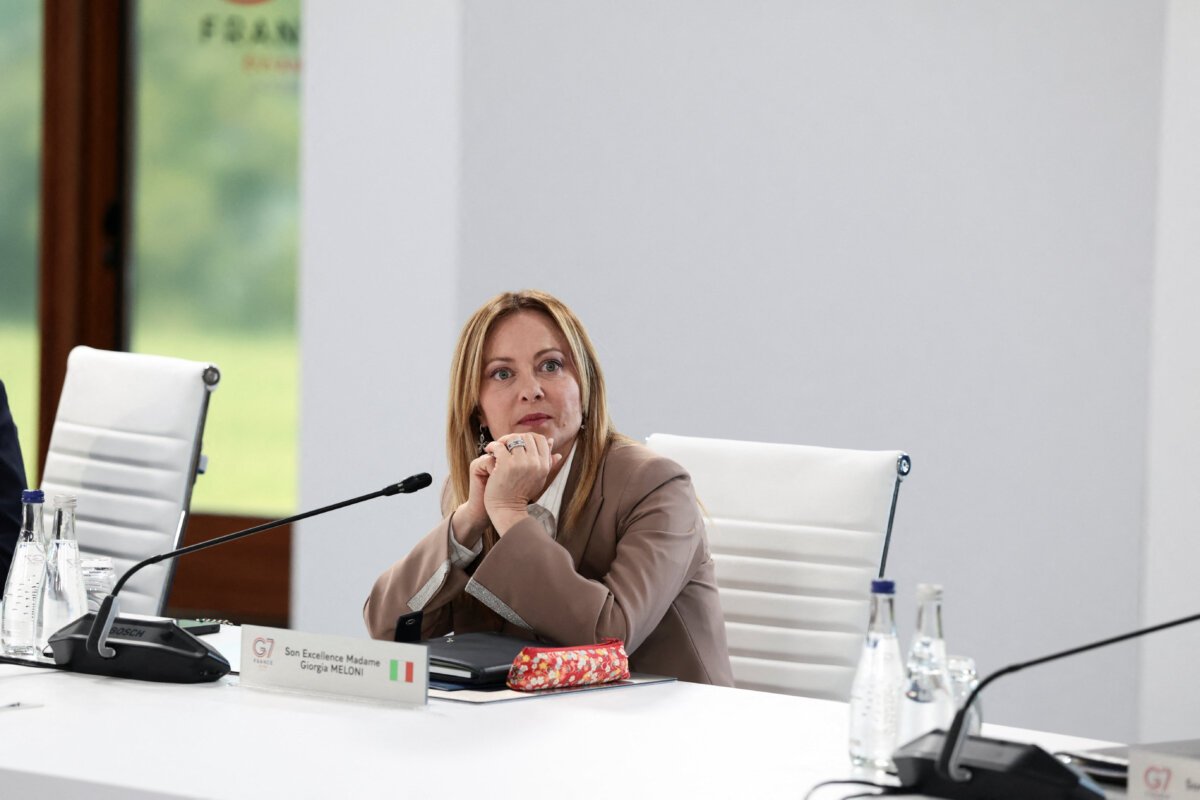
The disagreement began after comments were made by Trump about Meloni following the G7 summit. In response, Tajani canceled a planned visit to the United States scheduled for June 21 and 22.
In a statement posted on X on June 19, Tajani said Trump’s “serious and offensive words” toward Meloni “offend all of Italy” and announced that he would cancel his trip. Meloni later described the reported comments as “completely made up.”
Despite the dispute, U.S. Secretary of State Marco Rubio said bilateral cooperation continues.
Speaking to reporters in Manama, Bahrain, on June 25, Rubio said he had spoken with Tajani after the minister canceled his visit.
“We have a number of agreements on critical minerals and other things that we are lined up, and those will be signed in due course,” Rubio said.
Rubio acknowledged that the cancellation had delayed planned agreements but said they would still be completed.
“We’re still going to get them signed soon. We’ll just find a place to do it,” he said.
Asked whether trust between the two allies could be restored, Rubio said, “Our relations with Italy continue unimpeded at every level, military level, other levels.”
Supply Chains at the Center
Italy’s participation would strengthen the initiative’s European presence as governments seek to diversify semiconductor and critical mineral supply chains.
Italy is home to two high-volume manufacturing sites operated by STMicroelectronics, one of Europe’s largest semiconductor manufacturers, in Catania and Agrate Brianza.
The country’s manufacturing base and role in Europe’s chip industry make it a potential contributor to the coalition’s efforts to build more resilient supply networks.
Pax Silica also complements existing initiatives such as the U.S. CHIPS Act and the European Union’s Chips Act by encouraging coordination among allied economies rather than creating legally binding obligations.
 Friends Read Free
Copy
Facebook
Tweet
Friends Read Free
Copy
Facebook
Tweet