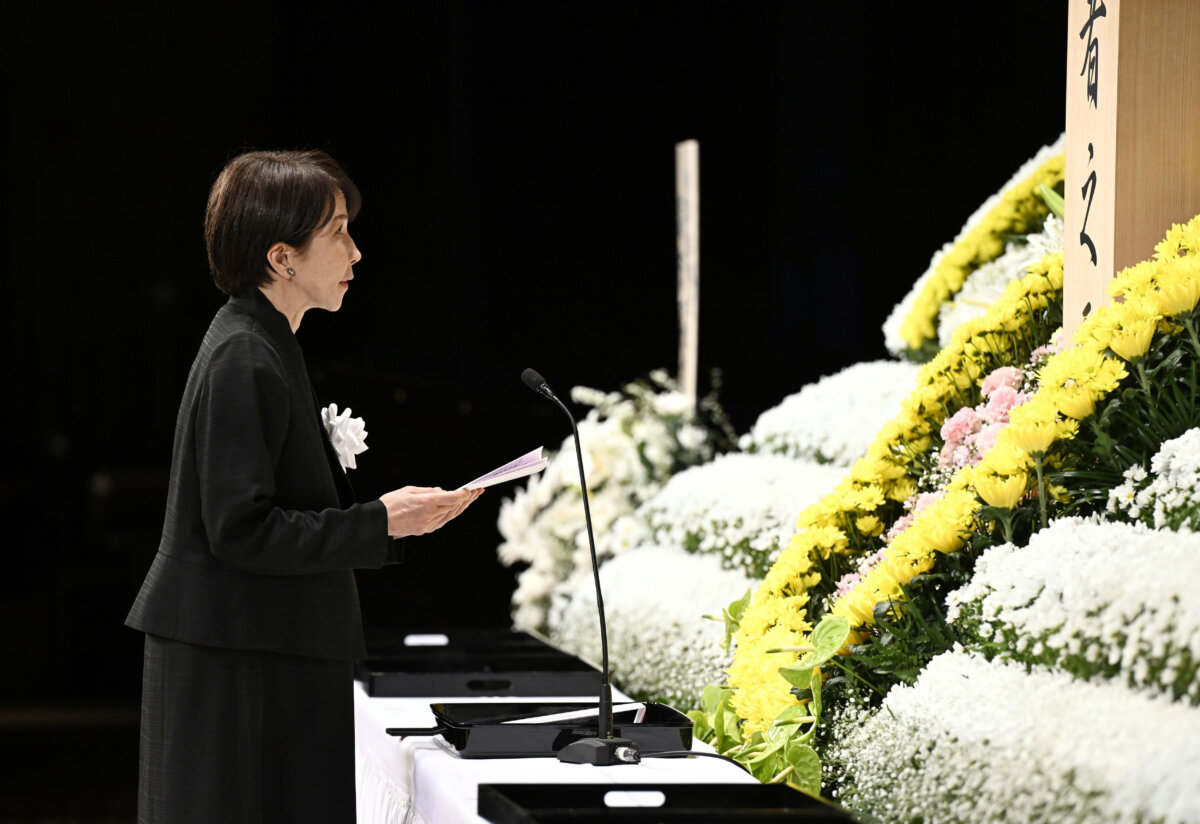

Japan on March 11 commemorated the 15th anniversary of the 9.0 earthquake, tsunami, and nuclear disaster that devastated its northeastern coast, as Prime Minister Sanae Takaichi used the occasion to pledge continued reconstruction.
Japan observed a nationwide moment of silence in remembrance of the victims of the disaster. More than 22,000 people died, mostly in the tsunami, and 160,000 residents were evacuated from Fukushima because of radiation released by the crippled Fukushima Daiichi nuclear plant, with about 26,000 still unable or unwilling to return.
Takaichi, who attended the memorial ceremony in Fukushima, said that recovery from the disaster on March 11, 2011, requires “medium-to-long-term efforts.”
“The government will continue to stand at the fore, pressing ahead with the safe and steady decommissioning of the Fukushima Daiichi nuclear power station of Tokyo electric power company, on which reconstruction is premised,” she said.
Takaichi announced that a new phase of rebuilding would soon commence.
“The third reconstruction and revitalization period will begin in April,” she said. “Grounded in our strong determination to, as a first step, resolve the various challenges facing us in the reconstruction process over the next five years, no matter what, we will devote our full efforts to the recovery and revitalization of the affected areas.”
Takaichi added that authorities would improve living conditions to encourage evacuees to return, revive farming and forestry, and foster new industries through initiatives such as the Fukushima Innovation Coast Framework.
The Japanese government also plans to recycle and reuse contaminated soil stored at an interim facility while preparing for final disposal outside Fukushima Prefecture after 2030.
Japan also plans to set up a Disaster Management Agency this year to lead disaster response, recovery, and rebuilding, Takaichi said.
Nuclear Energy Essential to Security
Despite the Fukushima disaster, Takaichi has said that nuclear power remains indispensable for resource-poor Japan, which imports most of its fossil fuels.
After being elected prime minister on Oct. 21, 2025, she told lawmakers that domestically produced energy sources were critical for economic stability.
“A stable and affordable energy supply is essential to sustain citizens’ livelihoods and domestic industries, and to strengthen our competitiveness,” she said in October.
Domestic sources such as nuclear power and perovskite solar cells were key to expanding low-carbon electricity, she said, and the government would maximize the use of clean energy.
Takaichi also signaled support for innovative reactors and fusion-generated energy, positioning nuclear as central to Japan’s long-term climate and energy strategy.
Unit 6 at Japan’s largest Kashiwazaki Kariwa nuclear plant restarted on Feb. 9 after more than a decade offline, since all reactors were shut after the 2011 disaster.
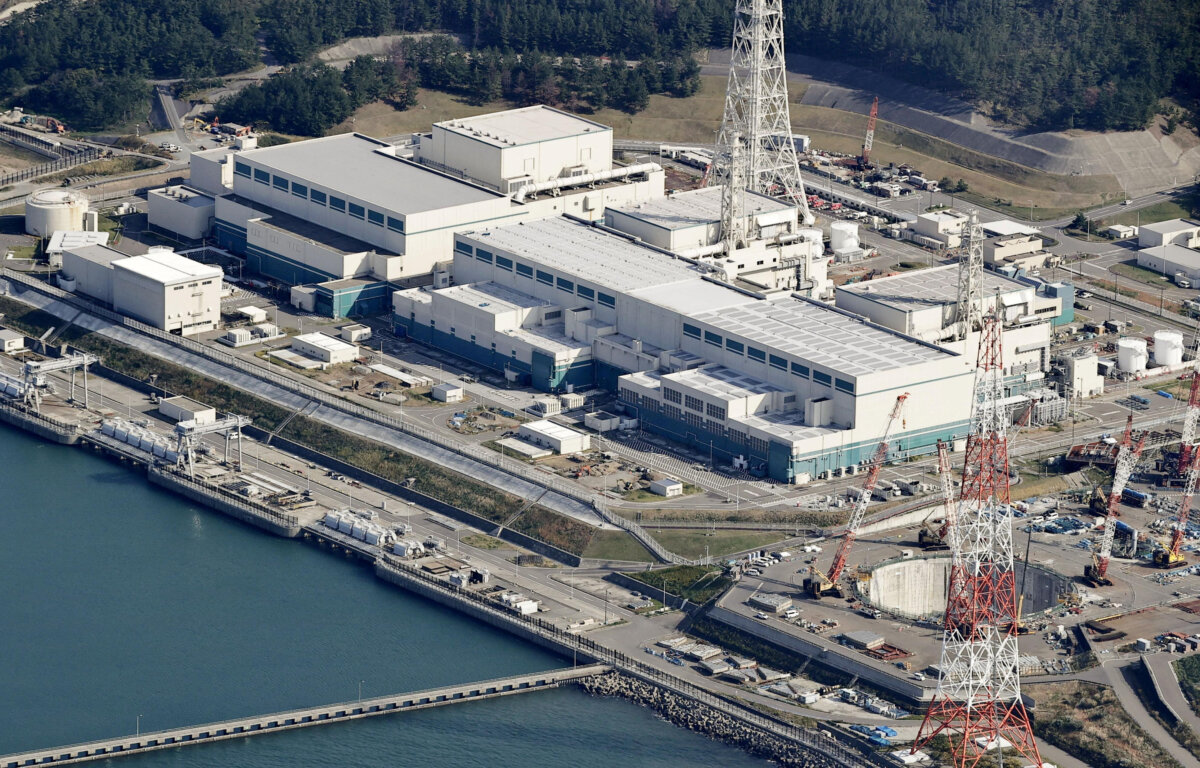
The 1,356-megawatt reactor could replace about 1.3 million tons of liquefied natural gas imports each year, according to Japanese government estimates cited on March 2 by the U.S. Energy Information Agency (EIA).
Once fully operational, Unit 6 is expected to generate about 9,500 gigawatt-hours of electricity annually.
Japan now has 15 operating reactors with a combined capacity of about 33 gigawatts, producing roughly 9 percent of the nation’s electricity in 2024, the EIA said. Under Japan’s long-term energy policy, nuclear power is expected to account for approximately 20 percent of total electricity generation by fiscal year 2040, which would require up to 30 reactors.
Of Japan’s 32 operable reactors, 15 are currently running, three have received initial approval to restart, six are under review, and eight have not applied for restart, the EIA said.
The Associated Press and Reuters contributed to this report.
 Friends Read Free
Copy
Facebook
Tweet
Friends Read Free
Copy
Facebook
Tweet