
Defense ministers from Japan and the Philippines have agreed to begin talks on weapons transfers that would allow Tokyo to send used destroyers and other military equipment to the Philippines’ military.
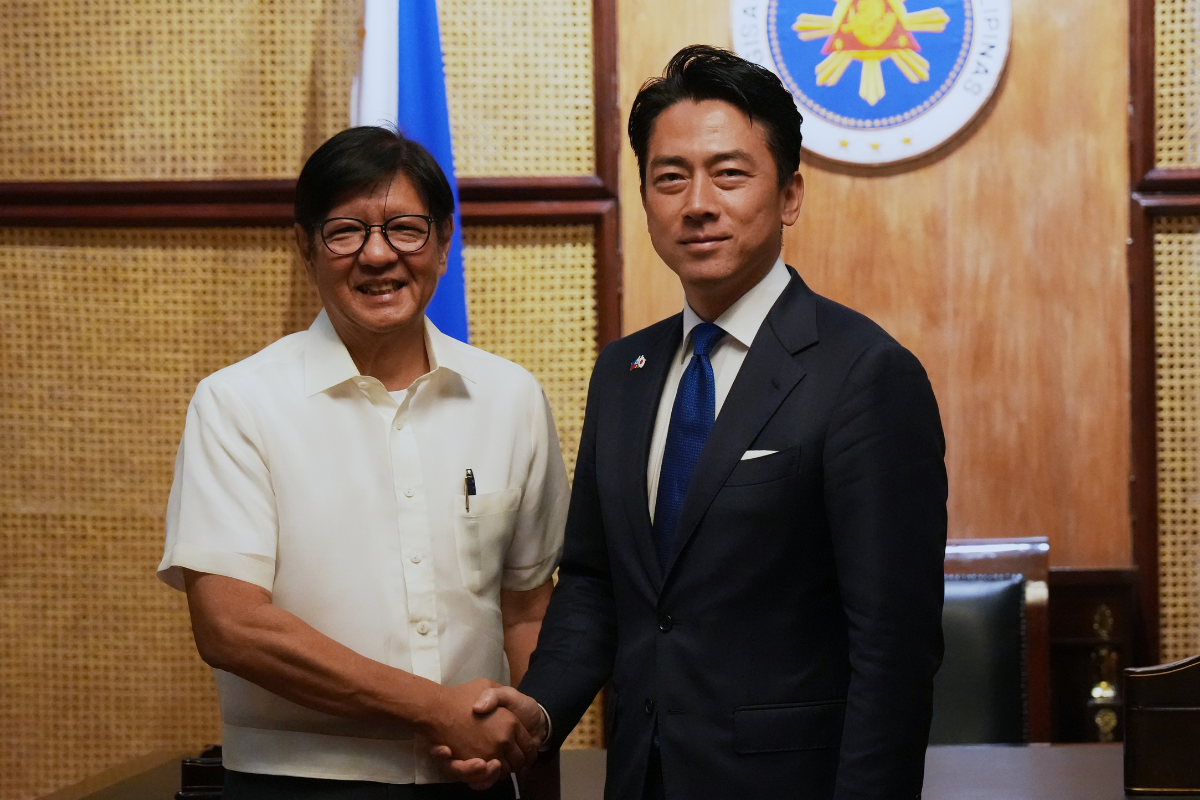
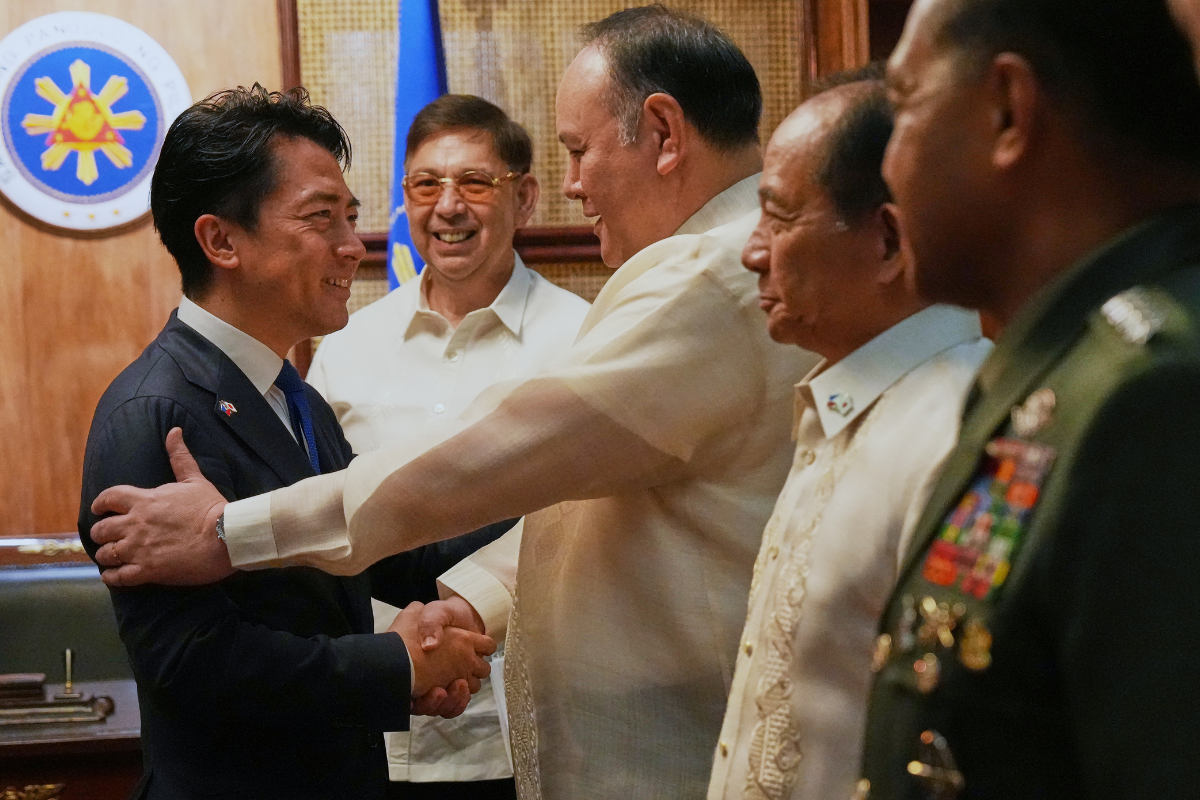
The agreement was made on May 5, during a Defense Ministers’ Meeting in Manila, the Philippines, between Japanese Minister of Defense Koizumi Shinjiro and Philippine Secretary of National Defense Gilberto C. Teodoro, Jr.
The Japanese Ministry of Defense said in a post on X that Koizumi and Teodoro signed the Statement on Further Promotion of Defense Equipment and Technology Cooperation and agreed to establish a working group on the transfer of materiel, including Abukuma-class destroyers and TC‑90 patrol aircraft.
The move comes after Japan ended its ban on lethal weapons exports on April 21 as part of a wider movement away from postwar pacifist policy by Prime Minister Sanae Takaichi.
Details of the potential weapons transfer are yet to be negotiated.
At the time the weapons exports ban was lifted, Japan’s allies, led by the United States and Australia, welcomed Tokyo’s decision, while China in April criticized the decision.
Chinese Regional Aggression
Japan’s arms build-up and the country’s new bilateral arrangements with the Philippines followed increased aggression from the Chinese communist regime in the East and South China seas, affecting both countries.
“Secretary Teodoro and I reaffirmed our strong opposition to any unilateral attempts to change the status quo by force or coercion in the East China Sea and the South China Sea,” Koizumi said at a press conference with Teodoro after their closed-door talks in Manila.
They expressed “serious concern over the increasing scale and frequency of China’s coercive activities in the maritime and airspace surrounding Japan, including intrusions into Japan’s territorial waters and airspace around the Senkaku Islands,” according to the statement, adding that they also “shared serious concerns regarding the situation in the South China Sea, including China’s intensification of dangerous and coercive activities against the Philippines.”
Since 2023, the Philippines has worked with several countries to assert its rights and maritime entitlements in the West Philippine Sea, a part of the South China Sea that Manila claims as an exclusive economic zone.
China says it owns most of the resource-rich waterway, rejecting a 2016 international arbitration ruling that has voided Beijing’s claims to the area.
Earlier this year, Japan and the Philippines signed a defense pact, allowing their forces to exchange supplies and services to aid joint exercises and training, in an effort to increase bilateral security cooperation.
Exercise Balikatan
Tokyo and Manila also signed a pact in 2024 that allows their militaries to stage large-scale combat drills.
The Reciprocal Access Agreement facilitates Japan’s deployment of 1,400 military personnel to regularly take part in Exercise Balikatan, which means “shoulder-to-shoulder” in the Philippine native language Tagalog.
Filipino, U.S., and other allied forces annually take part in Exercise Balikatan to prepare for security contingencies in the region. This year is the 41st iteration of the exercise.
On May 6, Koizumi will travel to Paoay in northwestern Philippines for Exercise Balikatan, during which U.S., Philippine, Japanese, and Canadian firepower will be used in a mock allied attack to sink a ship about 25 miles off the coast.
The location for the live-fire drill faces the disputed South China Sea.
The Chinese communist regime has objected to Exercise Balikatan, saying it is aimed at containing China. The Philippine military has said the drills do not target any specific country and will allow its forces to prepare to respond to emergencies and natural disasters.
The Associated Press contributed to this report.
 Friends Read Free
Copy
Facebook
Tweet
Friends Read Free
Copy
Facebook
Tweet